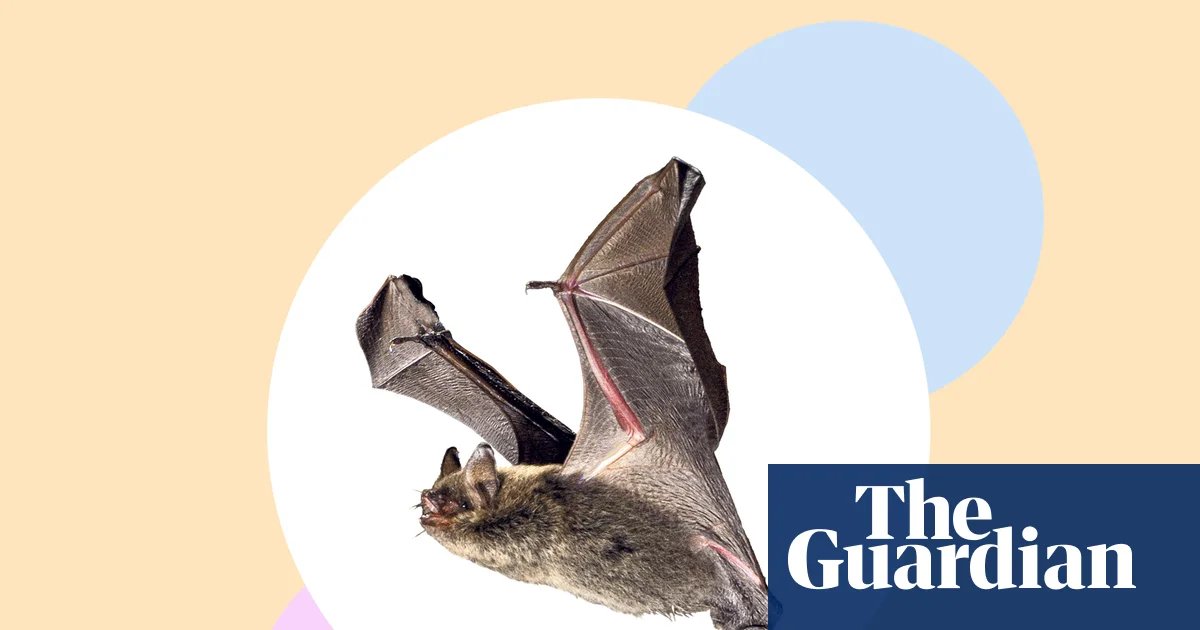
Bats have a bad rep: in a recent survey by the Bat Conservation Trust (BCT), 46% of people expressed negative feelings about bats. But just look at them! Bat carer Liz Vinson, a volunteer with the BCT, calls them “little furry humans with huge jazz hands. They have individual characters: some are divas; some are bone idle.”
Shirley Thompson, BCT’s honorary education officer, has been championing bats since the 1980s. “I still think they’re magic,” she says. “The more you find out about them, the more you realise what amazing creatures they are.”
Dr Joe Nuñez-Miño of BCT offers a few reasons why: “Their physiology is just incredible; they have remarkable healing, a really incredible immune system.” They are also surprisingly long-lived: one Brandt’s bat was ringed as an adult, then caught (alive) 41 years later. Incidentally, bats aren’t blind – they use echolocation because it is a wonderful tool for hunting in the dark – and, Vinson adds, reassuringly: “They won’t get stuck in your hair.”
Why do they need to be saved?
Of the 11 species of bat for which there are good records in the UK, five are increasing, including the common pipistrelle and its higher-pitched, paler-faced cousin, the soprano pipistrelle. Six other species appear to be stable. That sounds like good news – and it is – but population monitoring only started in 1999 and there seems to be significant regional variation in the fortunes of common pipistrelle populations. Over a longer timescale, genetic research on UK barbastelle bats indicated populations have declined 99% over the past 500 years or so. The same is likely to be true of other species. “Although we don’t have the data to say it with scientific rigour, we are pretty confident that pipistrelles have declined massively,” Nuñez-Miño says, with the most likely culprits being habitat loss and insect decline.
How can you help?
Cut the lights
Bats may not be blind, but they do like the dark. “Shining artificial light on to habitat is in effect habitat loss,” says Nuñez-Miño. “You’re creating a space that is no longer suitable for many bat species.” Although it is not the most light-sensitive UK species, the latest evidence suggests that common pipistrelles are less light-tolerant than was previously believed. If you have a garden, adapt lighting to be more bat-friendly. “Low lighting that’s facing down is probably not going to disrupt bat species very much,” Nuñez-Miño says. Only use lighting when necessary (motion-sensitive lights are good for this), and, he adds: “Reduce brightness as much as possible.” There is detailed guidance on the BCT site.
Keep your cat in, if you can
Cats are significant predators for bats: a recent study found that two-thirds of wing tears on injured bats in the UK (mostly pipistrelles) were attributable to cats. “At the very least in the summer months – particularly May, June, July – if you can keep your cats indoors at dusk and dawn, then that makes a huge difference,” says Nuñez-Miño. That’s when female bats are pregnant, and at their most vulnerable. “Female bats carry only one baby, and that baby takes up about a third of their body weight, so it means that flying becomes a bit harder.”
Create a bat buffet
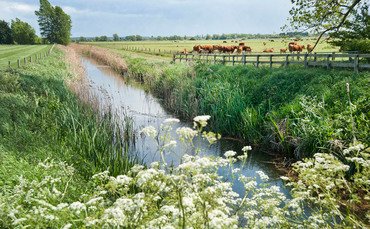
Anything that attracts bugs to your garden helps bats feed: “All our bat species in the UK eat insects,” says Nuñez-Miño. When you’re deciding what to plant, aim for as long a flowering season as possible. “When bats emerge from hibernation, they’ll be hungry and wanting to eat lots of insects, and towards the end of the season, when they’re going into hibernation, they’ll be catching lots of insects to build up their fat reserves.” Diverse heights, plants and habitats help feed our fluttering friends: for instance, climbers and hedges encourage flying insects, while trees and shrubs provide food and shelter for larvae. BCT’s downloadable leaflet Stars of the Night has detailed season-by-season planting advice.
Thompson recommends open, “daisy-style” flowers – “They have short florets, so insects with short tongues can feed from them” – and umbellifers (cow parsley-style, flat-top flowers). If you have space, compost heaps and water – even the smallest tub pond – are great insect lures. “Even in a pot on a balcony, you can do something that will attract insects,” Thompson says. You could also build a bug hotel: there are instructions in the Stars of the Night leaflet.
Help a grounded bat
“If a bat is on the ground, it needs help,” says Vinson. Don’t ignore it: puncture wounds, particularly from cat attacks, can become fatally infected if left untreated. There is detailed advice on keeping a grounded bat safe on the BCT website, and a National Bat Helpline (0345 1300 228) you can call. Alternatively, Vinson says, “just put ‘Help, I’ve found a bat’ into an online search and it will tell you how to contain the bat and who to call.” A network of bat carers across the UK helps rescue and rehabilitate bats.
Rule No 1, she says, is never touch a bat with bare hands – you could damage it, and there’s a very slim chance of rabies transmission. Find an old shoe box or other small, lidded box, then: “Get an old tea towel and carefully place it over the bat. Scoop the bat up inside the tea towel and put it straight into the box.” Make pin-sized air holes and add a milk-bottle-top-sized container full of water. Don’t be tempted to lift the lid to peep as it will probably fly away.
Build (or buy) a bat box
You can buy bat boxes – the “Kent” style is recommended for UK bats – or follow the easy instructions for making one in the bat box information pack on the BCT site. The basics: ensure it has a rough surface for grip and a narrow entrance slit (no more than 15-20mm as bats hate draughts) and use untreated wood. Site your box near good insect-foraging spots such as trees and water if possible, and, obviously, away from any light source. The ideal height is three metres or more, with a south-east aspect, if you are installing a single box. But do put up more boxes if you can to give bats better roosting options.
Advocate for bats in your area
If you are concerned that a local development might affect bat habitat, BCT provides detailed information on how to monitor, intervene and advocate for bats in local planning processes.
Get counting
Signing up for the National Bat Monitoring Programme’s Sunset Survey helps conservationists assess bat populations. As Nuñez-Miño explains, you don’t need a bat detector; you simply record what you see and hear at dusk. “You can just go out and sit in your garden or local park, and take part.” You could also volunteer for the Night Watch Survey, which uses an ultrasonic device about the size of a matchbox called an AudioMoth to capture evidence of bats. “You leave it out in your garden, a green space, or even on your balcony or windowsill; anywhere you like.” The AudioMoth records what is flying by and you submit its findings – you’ll even get a bespoke report back.
Go bats for bats
Whether or not you are one of the 46% who think badly about bats, find out more, then share the love. “Go out on a bat walk, find out about bats, get involved with your local bat group and educate more people about bats,” says Nuñez-Miño. If there are young people in your life, get them enthused, too. “Kids are often the best ambassadors for bats,” says Thompson, who has edited the BCT’s children’s magazine since 1987. “They are totally without preconceptions.” Most kids like bats, she says; and most kids are right.