
The bed and the blanket with pillows in a hotel room. Waking up in the morning. The concept of resting and relaxing with copy space sleep tourism (Image: Alena Frolova via Getty Images)
A doctor is encouraging people to keep a glass of room temperature water by their bedside. This habit may appear simple – but it could prove valuable in reducing the most serious cardiovascular risk we face upon waking.
When we rise in the morning, the majority of us dive straight into our daily activities – but this is precisely when a potentially dangerous biological process also kicks into gear. The human body, following hours of sleep, experiences a sudden transition that increases the risk of heart attack.
Now doctor Alberto Sanagustín has highlighted this concealed danger to explain why the early morning hours, particularly between 6am and 10am, see such a substantial number of cardiovascular events. Spanish publication Cope reports that the cause is a sequence of internal responses triggered when we rise.
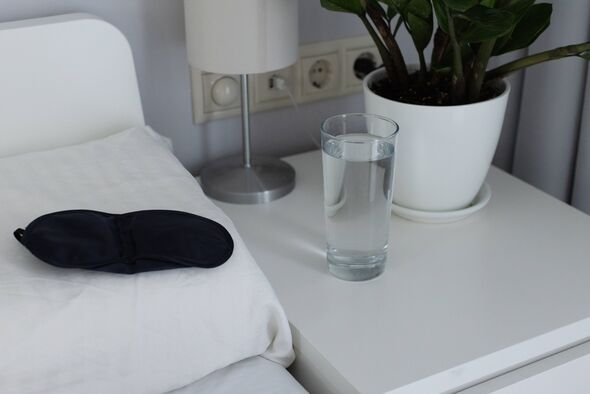
Dr Sanagustín explains that we can help counter this danger. It’s just a matter of consuming a glass of water at room temperature immediately upon waking, even before getting out of bed.
This simple step has an immediate and positive effect on the circulatory system, according to the doctor. Water assists in hydrating the body and encouraging blood to flow more freely. Importantly, “it sends an immediate signal to your body to tighten the blood vessels and raise your blood pressure just enough to prevent you from losing your balance.” He describes it as a reliable method for gently preparing the body, reports the Mirror.

Drinking water on the bedside table is something we should all consider (Image: Mariyariya via Getty Images)
This guidance, which the doctor calls a “zero-cost lifesaver,” doesn’t just get your circulation moving safely. It also helps enhance your overall hydration first thing in the morning – something essential for all your organs to function correctly throughout the day, he explains.
The WebMD website offers comparable guidance – though it recommends adding a touch of flavour to that morning glass of water. The health website notes: “First thing in the morning is one of the best times to hydrate. Your body has gone through a long fast. For a simple jump start, squirt half a lemon in your first glass of a.m. water for a bright boost of antioxidant phytonutrients, vitamin C, and potassium.”
Health website Healthline takes a more cautious view regarding the benefits of water upon waking, however. It notes: “As long as you compensate for your body’s water losses, it doesn’t make much of a difference whether you start your day off with a glass of water or drink it at any other time of day.

Water in the morning can make a big difference (Image: Jiyi via Getty Images)
“Just make sure you stay hydrated by drinking water whenever you feel thirsty.” What happens when we wake up
Cope reports that upon waking, our brain naturally floods the system with cortisol and adrenaline, hormones that prime us for activity. This surge causes “your arteries to stiffen, constrict, and your heart to be suddenly put under strain,” explains Sanagustín. This spike in blood pressure represents the morning’s first risk factor.
The body also releases a substance called PAI-1, an inhibitor which, according to the doctor, functions like “a foreman sending the street cleaners home just when blood flow is at its most dangerous.” This prevents the body’s natural “cleaning” mechanism from breaking down any small clots that may form.
With arteries stiffened by cortisol, blood thickened after hours of fasting, and the clot-clearing system effectively “on strike,” what Sanagustín describes as the “perfect storm” takes shape. Should a clot be present at that moment, the probability of it triggering a potentially fatal heart attack increases considerably, particularly amongst those with high blood pressure, cholesterol plaques or sleep apnoea.
Why you should not jump out of bed in the morning
Beyond hydration, it’s worth paying close attention to how you actually rise from bed. Dr Sanagustín stresses the significance of taking your time and getting up slowly and steadily. Remaining seated on the edge of the bed for a brief moment before standing fully allows the body to adjust without any sudden strain on the system. He said: “Leave a glass of water on your bedside table and tomorrow, when you open your eyes, don’t jump out of bed as if there were a fire.” This straightforward adjustment to your routine, which requires just a minute or two, can prove crucial for your long-term cardiovascular health, preventing the surges in blood pressure that place such strain on your arteries.