Emperor penguins and Antarctic fur seals are both now categorised as Endangered on the IUCN Red List of Threatened Species.
The IUCN Red List previously categorised Emperor penguins (Aptenodytes forsteri) as Near Threatened but satellite images suggest that around 10 per cent of the population (more than 20,000 adults) was lost between 2009 and 2018. The population is expected to halve by the 2080s unless greenhouse gas emissions are drastically reduced, scientists say.
The decline of these iconic birds is due to the loss of sea ice, which they depend on. Emperor penguins need ‘fast ice’ which is still attached to the coastline, seafloor or grounded icebergs and does not move with the current. This gives them a safe habitat while they’re raising their chicks and going through their annual moult.
If the ice breaks up too early in the season – before the chicks can swim or have developed their warm, waterproof feathers – they can drown or freeze.
“Penguins are already among the most threatened birds on Earth,” says Martin Harper, CEO of BirdLife International. “The emperor penguin’s move to Endangered is a stark warning: climate change is accelerating the extinction crisis before our eyes.”
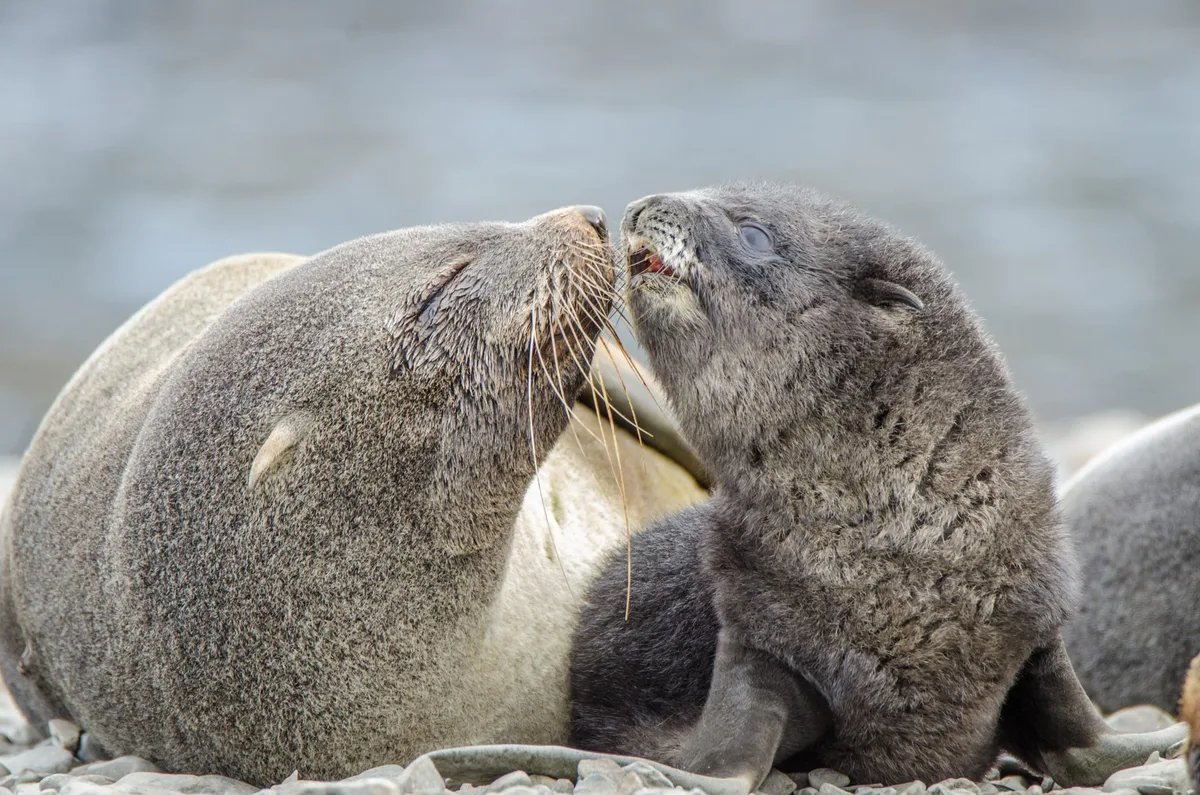
Once listed as a species of Least Concern, the Antarctic fur seal (Arctocephalus gazella) has also now been declared Endangered after its population decreased by more than 50 per cent from 1999 to 2025. The plummeting population numbers – from around 2,187,000 adults to 944,000 – has also been caused by climate change.
As waters warm and sea ice melts, krill is feeling the heat. Shortages of these shrimp-like creatures – a favourite food of Antarctic fur seals – has reduced pups’ one-year survival rates and is driving population decline. Other threats – including competition with baleen whales for food and predation by killer whales and leopard seals – may also play a role.

The experts have a clear message: the increased extinction risk of these two species is a result of human-caused climate change.
“The declines of the emperor penguin and Antarctic fur seal on the IUCN Red List are a wake-up call on the realities of climate change,” says IUCN Director General Dr Grethel Aguilar in a statement. “Antarctica’s role as our planet’s ‘frozen guardian’ is irreplaceable – offering untold benefits to humans, stabilising the climate and providing refuge to unique wildlife.”
Aguilar adds: “These important findings should spur us into action across all sectors and levels of society to decisively address climate change.”
More wildlife stories from around the world