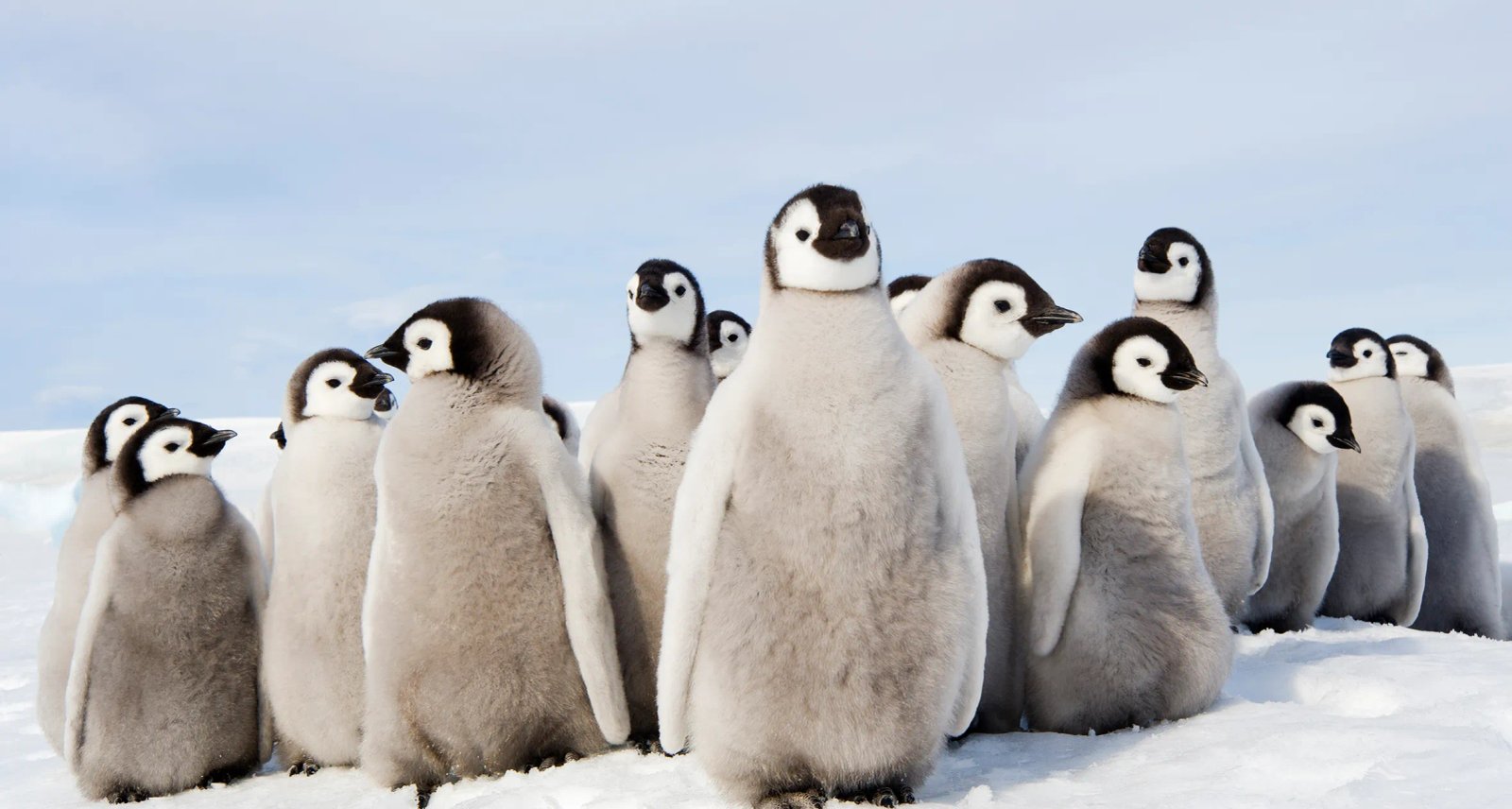
Scientists have classed emperor penguins as at risk of extinction for the first time ever after Antarctica’s melting ice crashed its populations.
A rapid decline in the global population of the species has caused the birds to jump two stages from “near threatened” to “endangered” on the official Red List of Threatened Species. They are now at very high risk of extinction.
The International Union for Conservation of Nature (IUCN), which oversees the Red List and is the arbiter of when species are deemed extinct, said climate change was wrecking the “fast” sea ice upon which penguins relied.
Fast ice, so named because it is fastened to the coastline or ocean floor, is where the birds breed, feed and moult. In recent years it has begun breaking up early during spring in the southern hemisphere.

If the ice breaks up too early in the season, it can prove deadly. Chicks can be too young to swim and adult penguins are not waterproofed because they lose their protective feathers during their annual moult.
“Something like half the colonies around the continent have experienced an early breakout of the ice,” said Philip Trathan of the IUCN penguin specialist group. “Some of those colonies have been hit a number of times. And it’s not just in one sector — those events are happening around the continent.”
The colonies of the birds are so remote that researchers had little confidence in their numbers before 2005.

However, modern satellite imagery has tracked the colonies via their guano, or bird faeces, revealing a roughly 10 per cent drop in their population between 2009 and 2018. Field surveys have also been used to support the accuracy of the estimates.
One study found that the number of emperor penguins in one area, the Ross Sea, fell about 32 per cent between 2020 and 2024. Modelling by academics suggested that without sudden and significant cuts in greenhouse gas emissions, the global population of the species will halve by the 2080s.
Estimates suggested there were probably about 228,000 adults left at about 66 known locations. Trathan said scientists could be confident in the extinction risk because the satellite images and modelling were two independent strands of research “coming out with the same answer”.
In their favour, the birds are not hunted by humans, most of their colonies are very remote from fishing and, while plastic pollution is an issue, it is not a severe one. “After careful consideration of different possible threats, we concluded that human-induced climate change poses the most significant threat to emperor penguins,” Trathan said.
The WWF, a conservation charity, said the most important way to save the penguins was bringing down the emissions. Emissions were still rising globally, it added.
In the short term, the charity wants the birds to be designated a “specially protected species” under the environmental protocol in the Antarctic Treaty, the 1959 accord signed by 12 countries including Britain. The issue will be discussed at a meeting in Japan next month.
 Getty images
Designation of the penguins would trigger a “species action plan”. This could include the regulation of shipping activities, preventing tourist ships cutting into ice near colonies, as well as limiting use of airspace above the animals and restricting their collection for zoos.
“The primary driver [of decline] is climate change. There’s absolutely no doubt about that. But it’s [designation] about removing additional pressure,” said Rod Downie, who leads WWF’s polar programme.
Conservationists said the potential loss of the emperor penguins should serve as a warning about the impacts of the Earth warming.
If remote polar ecosystems are breaking down, it is a signal that the ecosystems providing human food and resources are also at risk, Trathan said. “If we have the Antarctic canary in the coal mine, emperor penguins, telling us that the ecosystem is changing in a very remote part of the planet, then we need to be concerned about other ecosystems which we more directly depend upon,” he added.
The IUCN also updated its assessments for other Antarctic species, including the southern elephant seal, which has been devastated by bird flu spreading across the region in the last few years. The animals have shifted from “least concern” to “vulnerable”, meaning they are at risk of extinction.
The disease has already affected four out of the five big subpopulations of southern elephant seals. In some colonies, the flu has killed more than 90 per cent of newborn pups. The IUCN said the assessment should “sound an alarm for all Antarctic seals”.