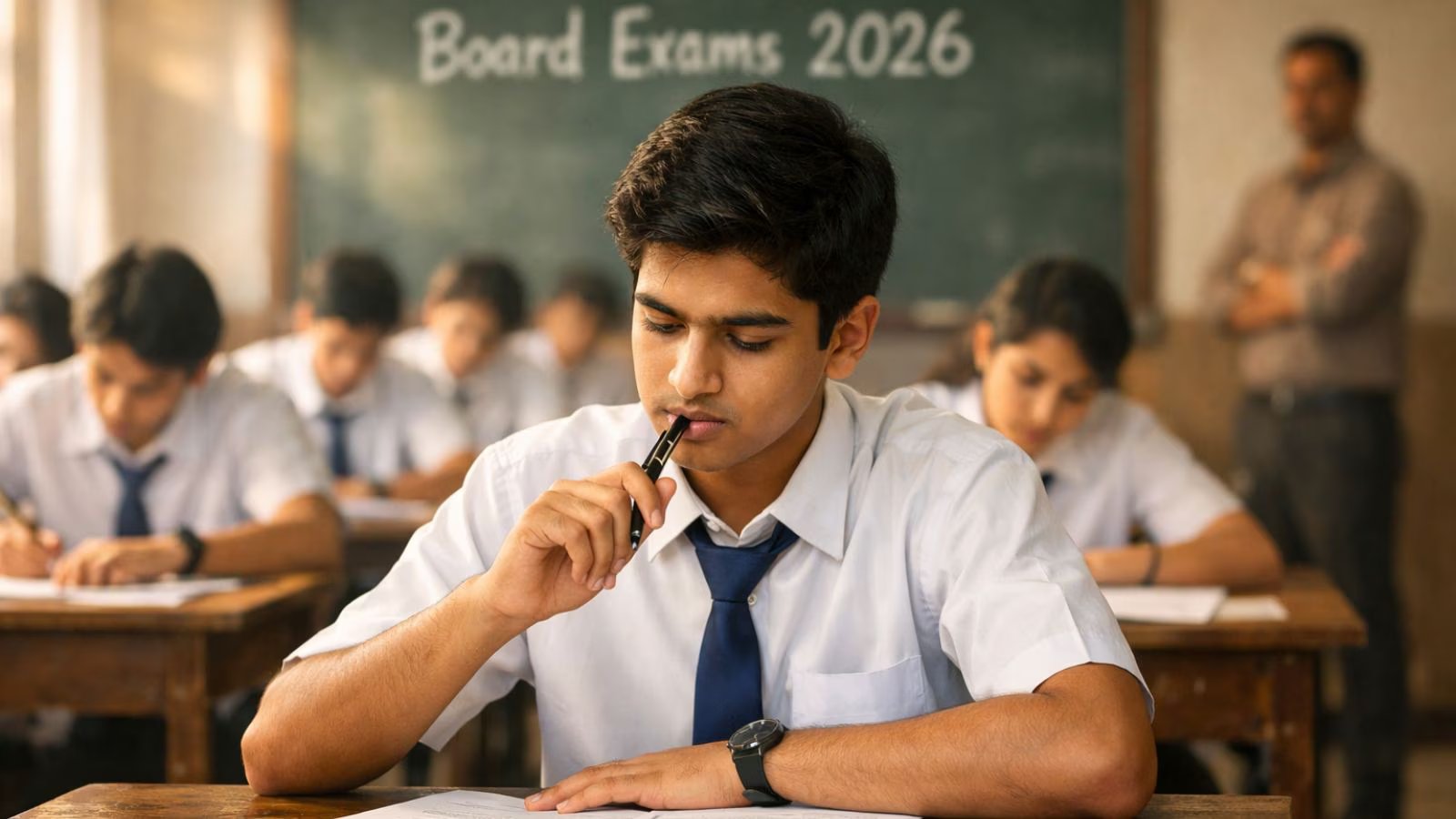
The CBSE Class 12 Hindi board examination plays a significant role in evaluating students’ language proficiency, comprehension skills, critical thinking, and expressive abilities. Hindi is not merely an academic subject meant for scoring marks; it is a language that nurtures cultural awareness, emotional sensitivity, and communication skills.
A strong command over Hindi enhances both academic performance and personal growth. Therefore, students should approach this subject with clarity, consistency, and proper planning rather than rote memorisation.
To begin with, understanding the complete syllabus and exam pattern is essential. The Hindi curriculum is broadly divided into Aaroh (Prose and Poetry), Vitan (Supplementary Reader), Writing Skills, Grammar, and Unseen Passages. Each section carries specific weightage, so balanced preparation is necessary.
Students should strictly follow NCERT textbooks, as most board questions are directly based on these chapters. Studying too many reference books often creates confusion and wastes valuable time.
The ‘Aaroh’ prose section includes lessons that highlight social realities, human emotions, and moral values. These chapters require conceptual understanding rather than memorisation. Students must focus on themes, characters, messages, and the author’s viewpoint.
Story continues below this ad
The poetry section tests interpretation skills. Answers should clearly mention the poet’s name, central idea, emotions (भाव), poetic devices (अलंकार), and message. Writing the भावार्थ (summary meaning) strengthens answers and helps secure better marks.
ALSO READ | CBSE confirms Class 12th Math question paper genuine despite QR code prank
Similarly, the ‘Vitan’ section presents real-life experiences and reflections. Questions from this section are generally value-based and analytical. Students should practice writing answers in simple, precise, and pointwise format.
Long and irrelevant explanations should be avoided.
The Writing Skills section is highly scoring if students understand the proper format. Questions may include article writing, report writing, letters, advertisements, and notices. Marks are often deducted due to incorrect format rather than poor content. Therefore, learning the structure and practicing regularly is extremely important.
Story continues below this ad
Abhivyakti aur Madhyam focus on journalism, creative writing, and media, including topics like the inverted pyramid style, types of reporters, feature writing, and, media ethics. Key questions cover the history of printing, radio/TV writing, internet journalism, and the difference between features and news.
One of the most important strategies for success is written practice. Simply reading answers is not enough. Writing improves clarity, presentation, time management, and confidence. Students must solve sample papers and previous years’ question papers within the time limit. It is equally important to attempt all questions in the exam and never leave any question unanswered. Even partial answers can fetch marks, so every question should be attempted sincerely.
During revision, focus on key points such as central themes, important character sketches, poetic meanings, grammar rules, and writing formats. Preparing short notes and bullet points makes last-minute revision easier. Keeping the language neat, handwriting clear, and answers well-structured also creates a positive impression on examiners.
For students’ convenience and better connection with the syllabus, some commonly asked chapter-based questions are provided below in Hindi:
आरोह – गद्य खंड
- ‘भक्तिन’ पाठ में भक्तिन का चरित्र-चित्रण कीजिए।
- ‘बाजार दर्शन’ का मुख्य संदेश क्या है?
- ‘पहलवान की ढोलक’ शीर्षक की सार्थकता स्पष्ट कीजिए।
आरोह – पद्य खंड
- ‘आत्मपरिचय’ कविता का केंद्रीय भाव लिखिए।
- ‘पतंग’ कविता में बाल-मन की अभिव्यक्ति कैसे हुई है?
- ‘छाया मत छूना’ कविता का संदेश स्पष्ट कीजिए।
वितान
- ‘जूझ’ पाठ से प्राप्त प्रेरणा लिखिए।
- ‘सिल्वर वेडिंग’ में पारिवारिक संबंधों का चित्रण कीजिए।
- ‘अतीत में दबे पाँव’ का उद्देश्य क्या है?
अभिव्यक्ति और माध्यम
Story continues below this ad
- उल्टा पिरामिड शैली क्या है?
- फीचर लेखन से क्या तात्पर्य है?
- विशेषीकृत पत्रकारिता
- इंटरनेट पत्रकारिता की चुनौतियाँ
- रेडियो नाटक की अवधि
- पत्रकार के प्रकार
- छापाखाना
- कहानी और नाटक में पात्र चित्रण
Practicing such questions regularly helps students understand the expected answer style and improves writing speed.
Success in the Class 12 Hindi board examination depends on systematic study, consistent revision, regular written practice, and smart presentation. With the right strategy, Hindi can become one of the highest-scoring subjects. Students should prepare with dedication, confidence, and positivity.
Remember, Hindi is not only a subject for exams but also a language that enriches thoughts, values, and life itself.
Author is HoD Hindi & Sanskrit, Manav Rachna International School, Sector 46, Gurugram