Pollution released from our textiles is smaller and more irregular in shape than previously thought, according to new research led by The University of Manchester.
In a study published in Nature Scientific Reports, Manchester researchers – in collaboration with researchers from the University of East Anglia and Manchester Metropolitan University – have developed a new fluorescence based method that dramatically improves the detection of microfibres released from textiles during washing and wear. The findings suggest that conventional testing methods may have been missing a large proportion of the smallest fibre fragments, the particles most likely to persist in the environment and enter living organisms.
Every time clothes are worn or washed, microscopic fibres shed from fabrics and enter water, air and soil. Until now, accurately measuring the smallest of these fibres has been extremely difficult, limiting our understanding of their true environmental impact.
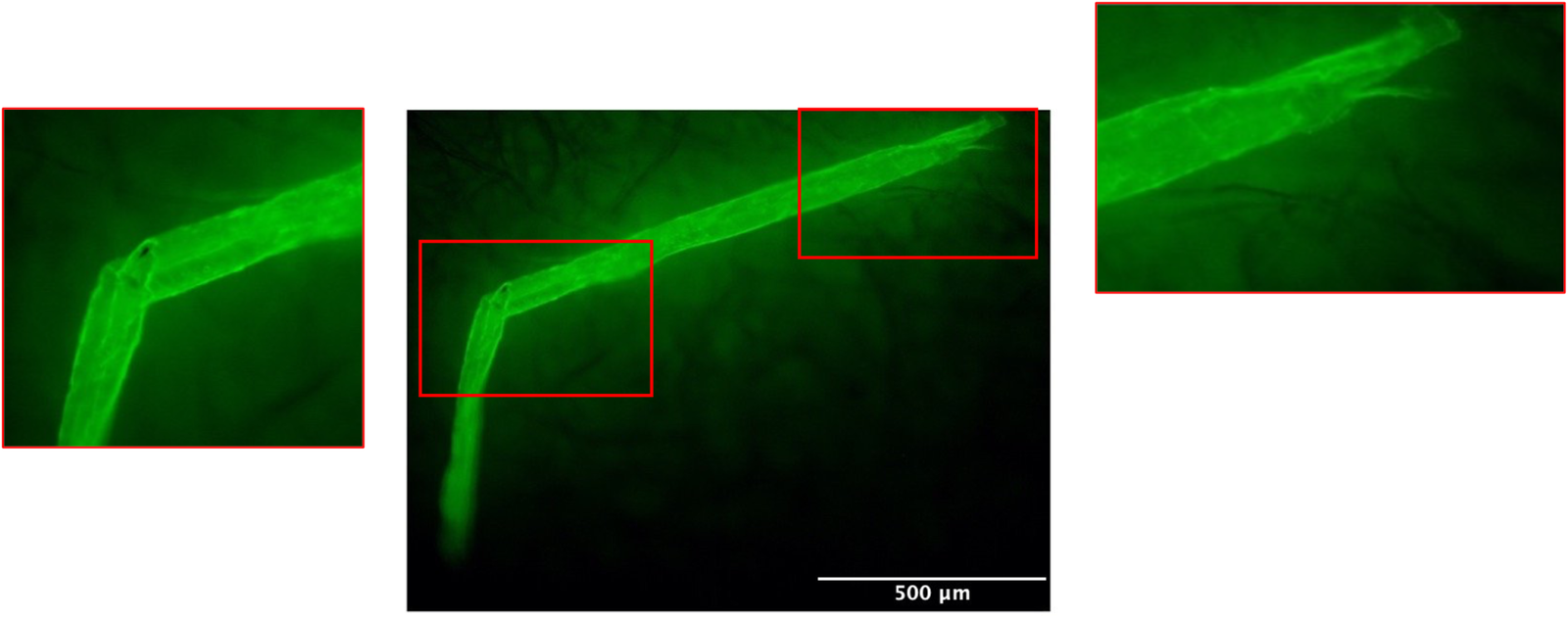
The developed approach involves dyeing polyester textiles with a fluorescent disperse dye before washing. When combined with semiautomated microscopy and fibre counting software, the method makes even tiny, irregularly shaped fibres and fragment of the fabric clearly visible. Using this technique, the researchers detected up to almost three times more microfibres (up to ~280% more fibres detected) than previously used standard analysis methods.
Crucially, the study also reveals that textile pollution is not made up of uniform, thread‑like fibres alone. Instead, it includes a wide range of fragment shapes and sizes that have previously gone undetected – a finding that could have important implications for how pollution behaves in ecosystems and interacts with living organisms.