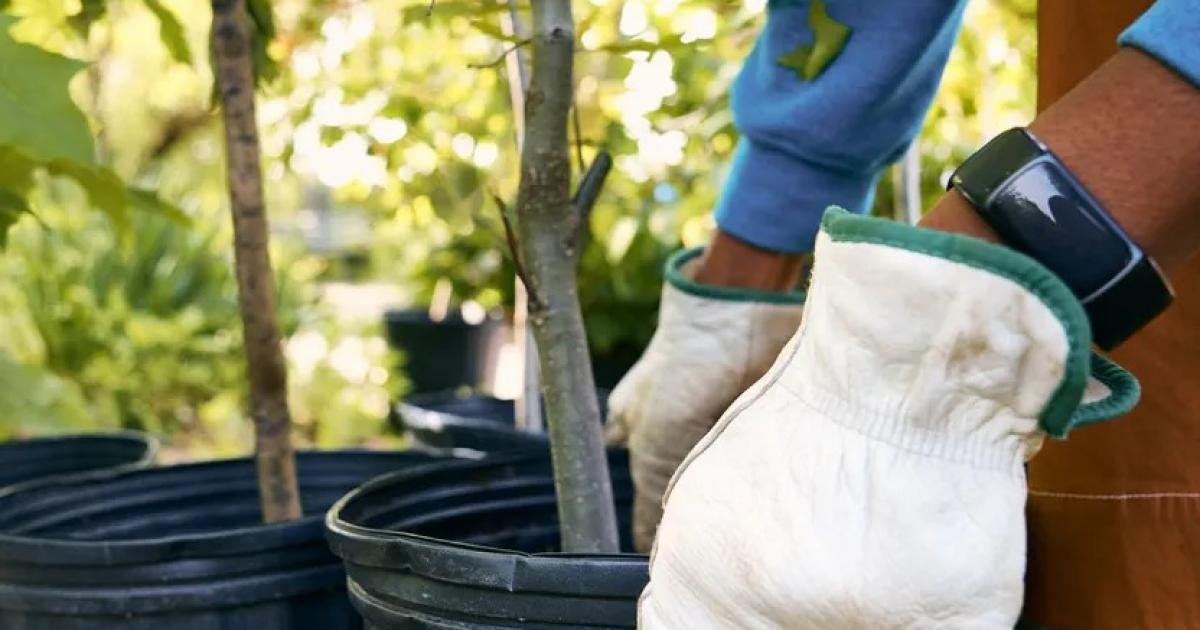
Halton Borough Council has been awarded Tree City of the World status.
This recognition comes from the Tree Cities of the World programme, a joint initiative by the Arbor Day Foundation and the United Nations’ Food and Agriculture Organisation (FAO).
The award acknowledges the council’s efforts in planting, growing, and maintaining trees for the benefit of the community.
The council’s application emphasised its dedication to tree planting, stewardship, and long-term care.
Over the past 12 months, the council has undertaken several initiatives to enhance Halton’s green environment.
These include rejoining the Mersey Forest Partnership, supporting The Conservation Volunteers and Butterfly Conservation to plant hedgerows and trees at Wigg Island, organising community planting events on allotment orchards, and planting more than 50,000 trees as part of the Big Halton Forest project.
Trees play a crucial role in supporting native species, strengthening ecosystems, and mitigating the impacts of climate change.
They also contribute to cleaner air by absorbing carbon and reducing local flood risk by capturing rainfall.
Additionally, they offer residents opportunities to connect with nature, improving both physical and mental wellbeing.
This recognition as a Tree City of the World signifies Halton’s commitment to its natural landscapes and the wider environment.
It not only boosts the borough’s global profile but also opens up opportunities for valuable resources and partnerships.
The Arbor Day Foundation is a global nonprofit based in the United States.
It has helped plant more than 500 million trees in cities, towns, and forests across more than 60 countries.
The international Tree Cities of the World programme, operated jointly by FAO, recognises cities and towns that use urban forestry to enhance the livability and sustainability of their local area.
To earn the Tree Cities of the World recognition, cities must fulfil five core standards.
These include establishing responsibility for tree care, enacting a law or policy for tree management, maintaining an updated assessment of local tree resources, allocating resources for a tree management plan, and holding an annual celebration of trees to educate local residents.