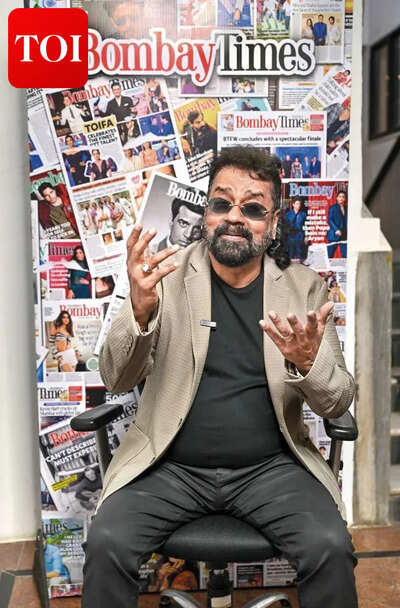
Hariharan at Bombay Times office
Few voices in Indian music carry the emotional depth and versatility of Hariharan. From timeless film melodies like Tu Hi Re, Roja Jaaneman, Ay Hairathe and Bahon Ke Darmiyan to his work in ghazals, the singer has been an inspiration to many. As he celebrates 50 years of ghazal singing with his new album Jaan Meri, the legendary vocalist reflects on iconic songs, creative droughts, the revival of ghazals and the explosive growth of India’s concert culture. Excerpts from a conversation with him during his visit to the Bombay Times office. You’ve lent your voice to many unforgettable Bollywood melodies. Which songs remain closest to your heart? There are quite a few. Jhonka Hawa was a song that told a story, and I enjoyed the way it unfolded musically. Pachai Nirame in Tamil is another favourite. And there’s an AR Rahman song, Tum Ho Meri Nigahon Pe from Kabhi Na Kabhi, written by Javed Akhtar. I always feel it didn’t get the recognition it deserved. It has a beautiful symphonic quality. Your song Tu Hi Re remains one of the most-loved romantic tracks in Indian cinema. (Cuts in)… Tu Hi Re has become my Aadhaar card (laughs). Wherever I go, people immediately connect me with that song. It has travelled across generations and still holds that emotional power.
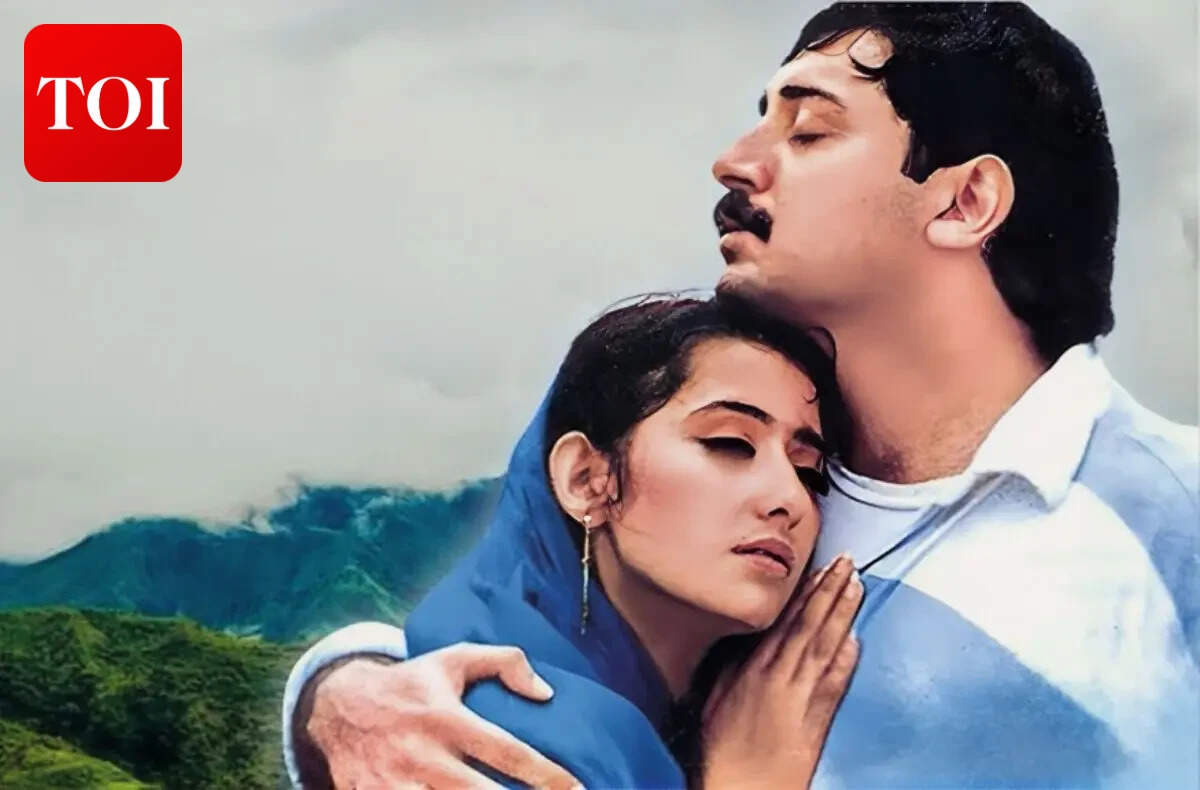
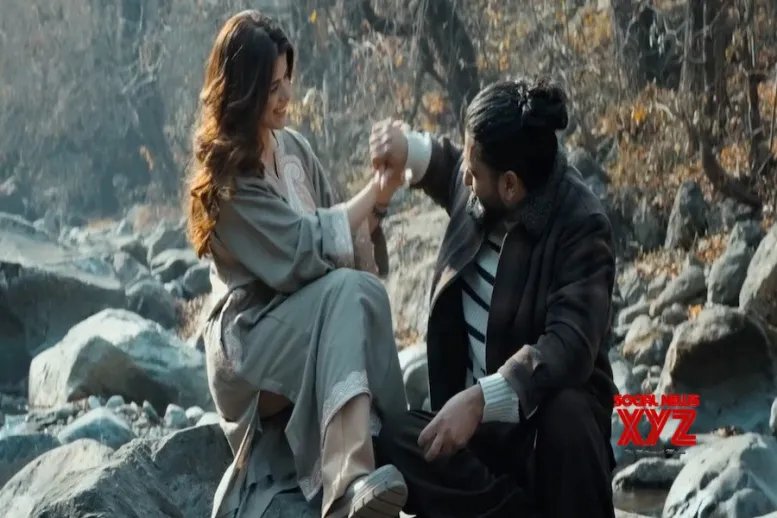
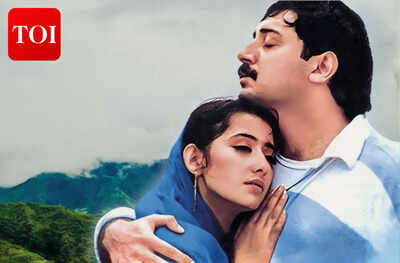
A still from Tu Hi Re
There was a phase between 2008 and 2012 when you were less visible in the music space. How do you look back at that period? That wasn’t a great phase for me creatively. During that period, I released only one album, Waqt Par Bolna. I was touring a lot with Rahman then, and we would record songs with musicians wherever we travelled around the world. Another reason I didn’t record much was that I didn’t have my own studio. The moment I opened my studio in 2012, I suddenly had so many tunes in my head waiting to be recorded. I had already sung so much for films, and there was also Colonial Cousins, my band with Leslee Lewis. Sometimes the best thing is to remain silent and just let the phase pass. Creative droughts happen to every artiste. You recently released the album, Jaan Meri, which celebrates your 50 years of ghazal singing. You have also been doing ghazal concerts recently. Do you think that the genre is seeing a revival? Absolutely. There is a clear resurgence. Many youngsters are listening to ghazals and even singing them. The beauty of a ghazal is that it sits right in the middle of the road as a form. It is pure poetry, with a matla, sher and maqta. Each couplet can talk about a different subject. One verse might be romantic, while another might reflect on society. Because the poetry is so lyrical, it lends itself easily to composition.
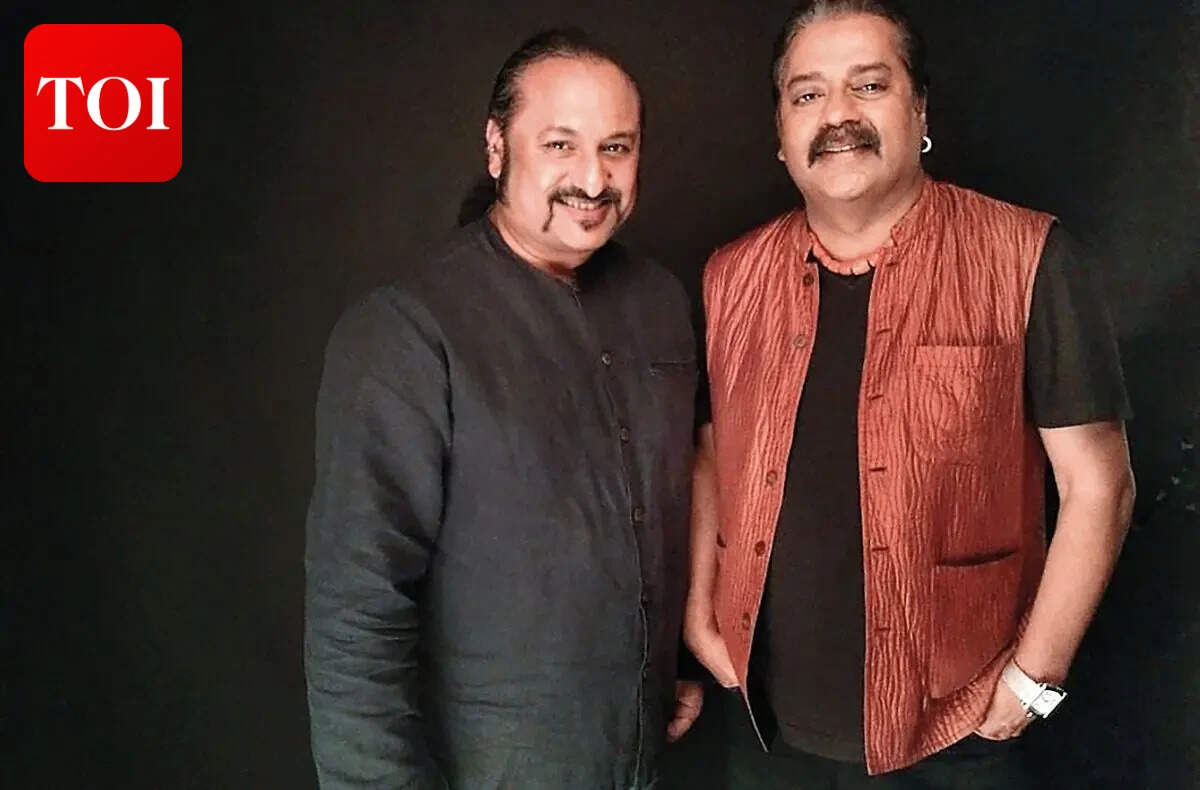
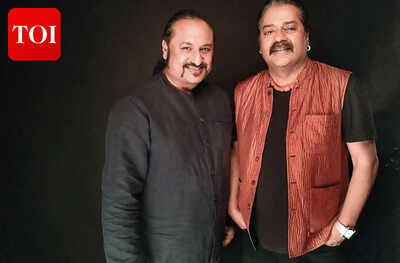
Hariharan and Leslee Lewis, with their band Colonial Cousins, brought fusion music to the forefront
You come from a musical family. How did that environment shape your journey? I was born in Matunga into a family of classical musicians. My father was the principal of Shanmukhananda Sabha. My mother has taught more than 1,500 students Carnatic music. People often ask me why I don’t teach music, but teaching requires incredible patience. I don’t think I have that. We lived near Ruia College, and I went to Don Bosco School, Wadala, where I began singing rock music. I even had a school band and sang songs like It’s Been a Hard Day’s Night. For me, singing Western or Indian music was never a big transition, I was simply a singer who loved to sing in any language.The live music scene in India has exploded in recent years. How do you view this concert boom? It has grown tremendously. In my entire life, I have never done so many concerts as I do now — not just me, but everyone. It’s almost four times more than earlier. People want to go out and enjoy music. It’s a healthy thing. Music heals; it intoxicates you without side effects. All of us have rhythm — after all, we have a beating heart. When audiences come to concerts and immerse themselves in music, it’s a beautiful experience.
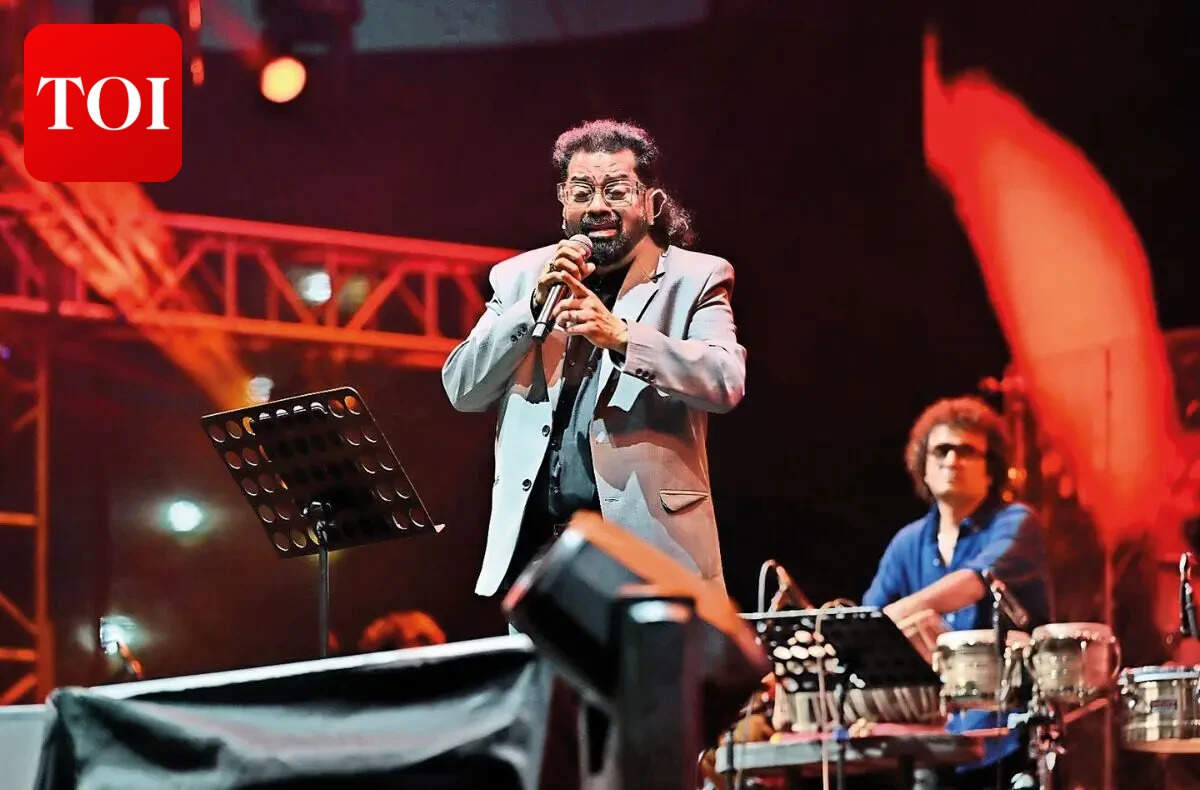
Hariharan says that he is glad that concert culture has flourished in India
With such rapid growth in the concert circuit, do you think there’s a risk of saturation? Maybe. Maybe after I retire from music (laughs).