India has approved a sweeping set of defence acquisitions focused heavily on airpower, missile defence and unmanned systems, clearing proposals worth INR2.38 trillion (around $25 billion) in what is shaping up to be one of its most aviation-centric modernisation drives in recent years.
The approvals, granted by the Defence Acquisition Council (DAC), bring together a mix of transport aircraft, long-range missile systems and remotely piloted strike platforms, an indication that New Delhi is prioritising both reach and resilience in contested airspace.
The decisions also follow a separate tranche of approvals last month, reportedly worth around $40 billion, which included additional fighter aircraft and maritime surveillance platforms, underlining the pace at which India is attempting to recapitalise its ageing inventory.
India defence deals focus on airpower, S-400 missiles and drones in $25bn push
At the heart of the latest approvals is a clear shift towards systems that either operate in the air or defend against threats from it.
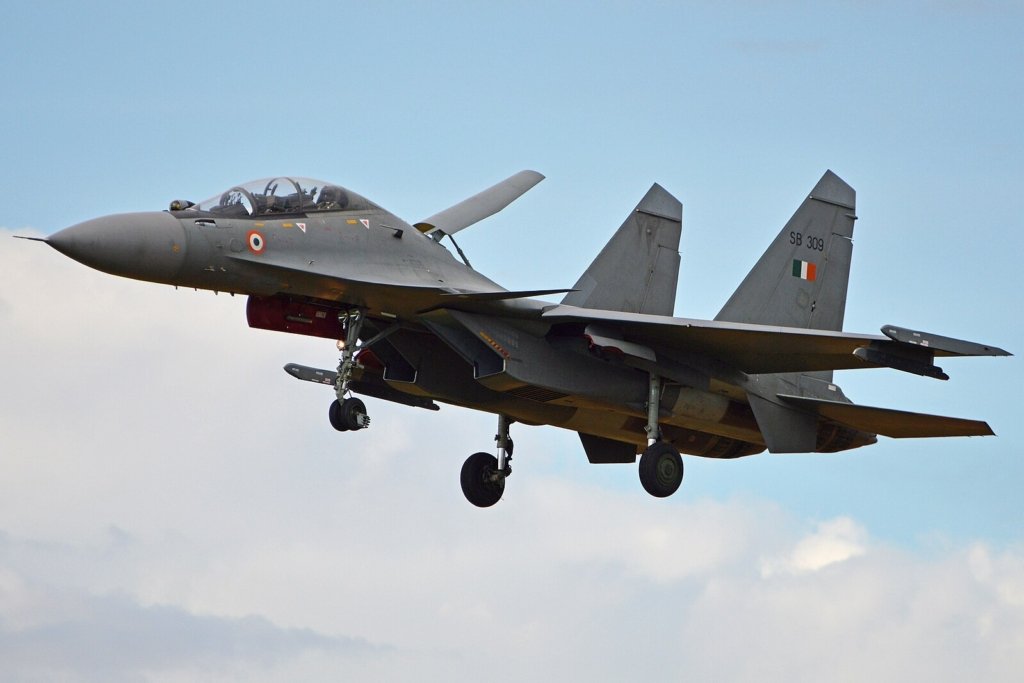
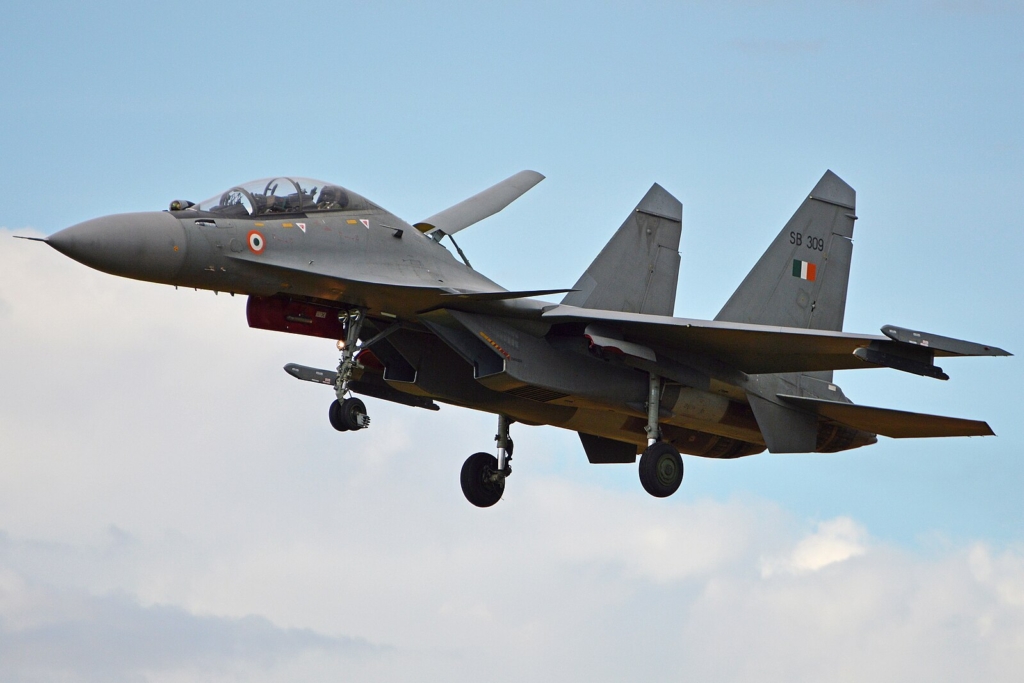
For the Indian Air Force, the DAC cleared proposals for medium transport aircraft, additional S-400 long-range surface-to-air missile systems, remotely piloted strike aircraft and upgrades to the Su-30 fleet.
A defence ministry official said the package is intended to strengthen both offensive and defensive air capabilities.
“The S-400 system will counter enemy long-range air vectors targeting vital areas, while remotely piloted strike aircraft will enable offensive counter and coordinated air operations, along with intelligence, surveillance and reconnaissance roles,” the official noted.
Taken together, the mix reflects a layered approach: aircraft to move and project force, drones to extend reach into contested zones, and missile systems to shield critical infrastructure and airspace.
India to replace An-32 and Il-76 with 60 medium transport aircraft
A significant portion of the investment is directed towards replacing India’s ageing transport fleet, much of which dates back to the Soviet era.
The acquisition of around 60 medium transport aircraft is intended to phase out platforms such as the An-32 and Il-76, which have long formed the backbone of India’s airlift capability.

These aircraft are expected to fulfil a broad spectrum of roles from tactical troop movement to strategic logistics, particularly across India’s varied geography, including high-altitude sectors and island territories.
The competition for this requirement is expected to draw in global manufacturers, with platforms such as the C-130J Super Hercules, Airbus A400M and Embraer KC-390 often cited as potential contenders.
Importantly, the programme is also likely to involve domestic manufacturing for a majority of the fleet, aligning with India’s push to build indigenous aerospace capability.
S-400 missile systems expand India’s long-range air defence network
Further down the procurement list, but arguably central to its strategic posture, is the decision to acquire an additional batch of S-400 air defence systems from Russia.
The S-400 has already been inducted into Indian service, with earlier units deployed along sensitive sectors. The new order is expected to expand coverage and deepen the country’s multi-layered air defence network.
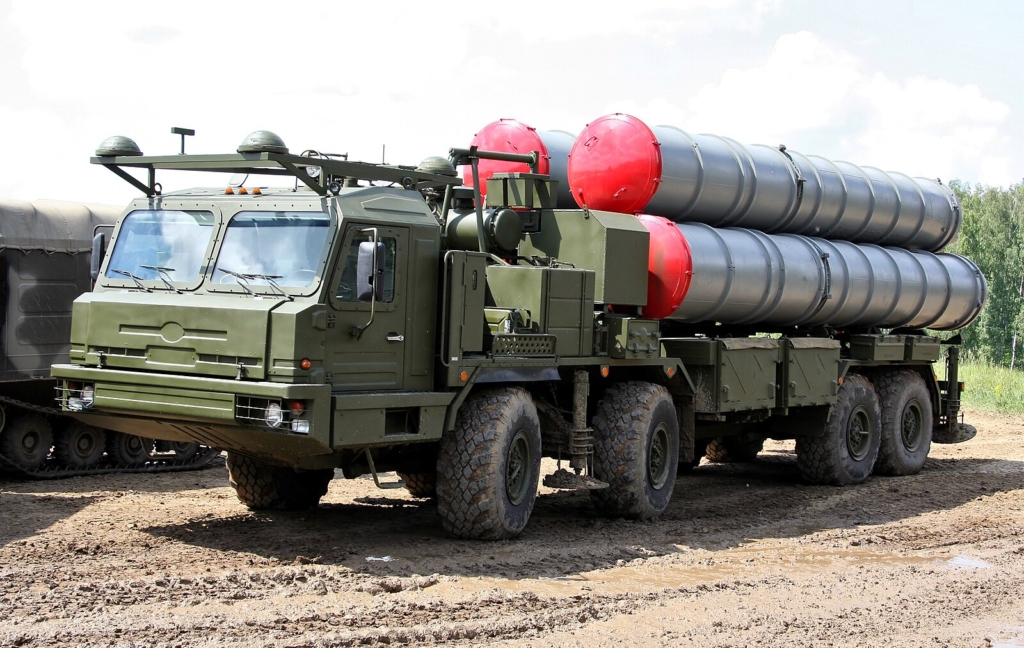
The system is designed to engage a wide range of aerial threats, including aircraft, drones and cruise missiles at extended ranges, making it a cornerstone of India’s long-range air defence architecture.
Its performance during recent operational scenarios, including tensions with Pakistan, is understood to have reinforced confidence in its capabilities.
At a broader level, the move reflects India’s continued reliance on Russian-origin air defence systems even as it diversifies procurement across Western and domestic suppliers.
India boosts strike drone and ISR capability with new UAV approvals
Alongside traditional aircraft and missile systems, the approval for remotely piloted strike aircraft signals a growing emphasis on unmanned operations.
These systems are expected to play a dual role of conducting offensive missions while also providing intelligence, surveillance and reconnaissance across contested environments.
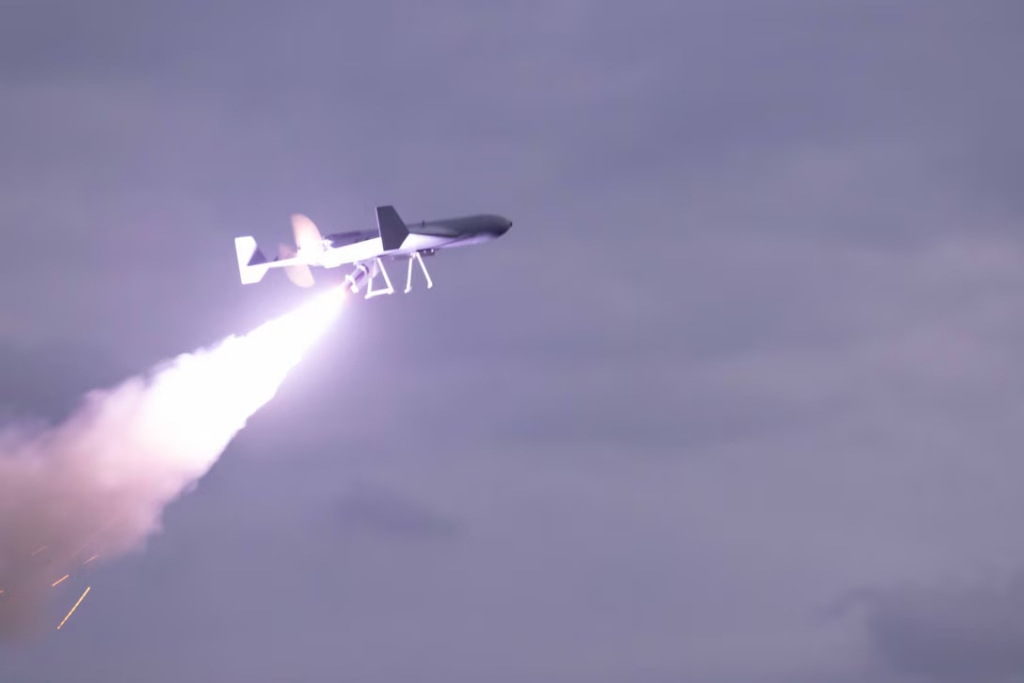
The ability to operate without putting pilots at risk, particularly in heavily defended airspace, has made such platforms increasingly central to modern airpower doctrines.
India’s focus on drones also reflects lessons drawn from recent conflicts, where unmanned systems have proven decisive in both surveillance and strike roles.
Su-30 upgrade programme extends life of India’s fighter backbone
While new platforms attract attention, the upgrade and overhaul of existing fleets remains a key part of the strategy.
The decision to refurbish Su-30 aero engines is aimed at extending the operational life of one of the Indian Air Force’s most important fighter platforms.
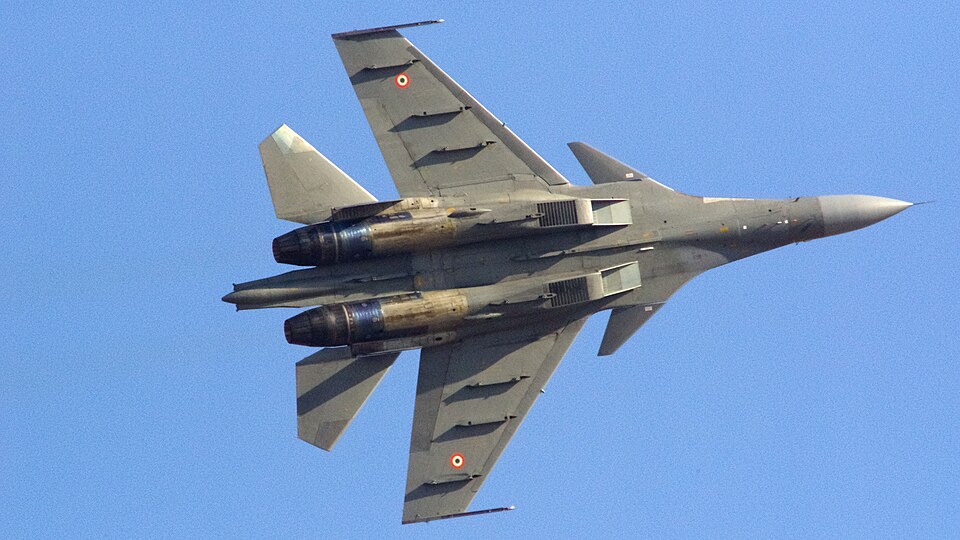
“The overhaul of Su-30 aero engine aggregates will increase the service life of the aircraft and fulfil operational requirements,” the defence ministry official said.
This reflects a pragmatic approach of modernising what is already in service while gradually introducing newer systems.
Tunguska systems strengthen India’s short-range air defence layer
Complementing the long-range S-400 systems is a separate agreement for Tunguska air defence systems, valued at approximately INR4.45 billion (around $47 million).
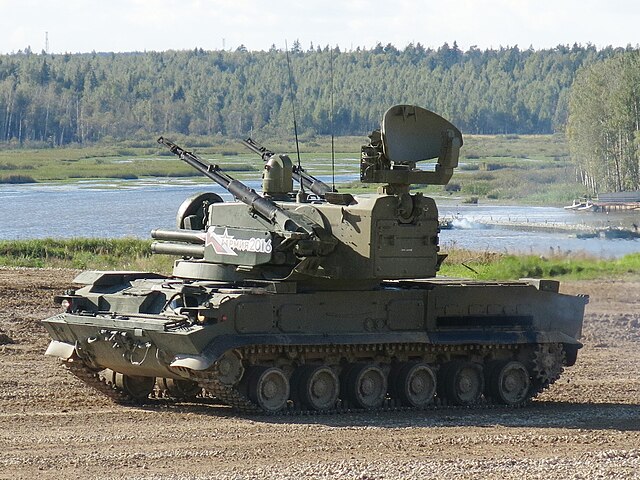
These systems, combining guns and missiles, are designed to counter low-altitude threats such as helicopters, drones and cruise missiles, filling a gap in short-range air defence.
The integration of both long-range and short-range systems suggests an increasingly layered architecture, capable of dealing with threats across different altitudes and ranges.
Record $71bn approvals underline India’s accelerating defence modernisation
The latest approvals form part of a broader surge in defence spending and procurement activity.
In the current financial year, India has approved 55 proposals worth INR6.73 trillion (around $71 billion), with contracts signed for a further INR2.28 trillion, both record figures.
This scale reflects not just routine modernisation, but a response to evolving security challenges, including tensions along its borders and the rapid pace of technological change in warfare.
Featured image: IAF