India continues to expand its electronic visa (e-Visa) system, which has become one of the cornerstones of the country’s policy to facilitate international travel.
Introduced to simplify access to Indian territory, this system allows foreign nationals, whether traveling for tourism, business, medical treatment, or certain professional activities, to submit their application entirely online from anywhere in the world.
In a press release on “Ease of travel in India” published on March 16, the Indian Ministry of Tourism highlighted the growing importance of this system in the country’s strategy to modernize entry procedures.
Authorities note that India now has “a robust e-visa regime in place to enable lawful inward movement of foreigners including foreign tourists, professionals and skilled workforce, business persons, students etc.”
The ministry also explained that in recent years the government has introduced numerous initiatives aimed to “liberalize, streamline and simplify visa regime,” while strengthening technological infrastructure to improve border management and internal security.
Within this framework, the introduction of the electronic visa is presented as one of the key measures supporting this simplification policy.
Introduction of e-visa has helped in providing hassle-free entry to foreigners into India for legitimate purposes like tourism, business and medical purposes.
Indian Ministry of Tourism, March 16, 2026
Against this backdrop, Indian authorities have announced the addition of five new entry points accessible to travelers holding an e-Visa.
India adds five new entry points for e-Visa holders
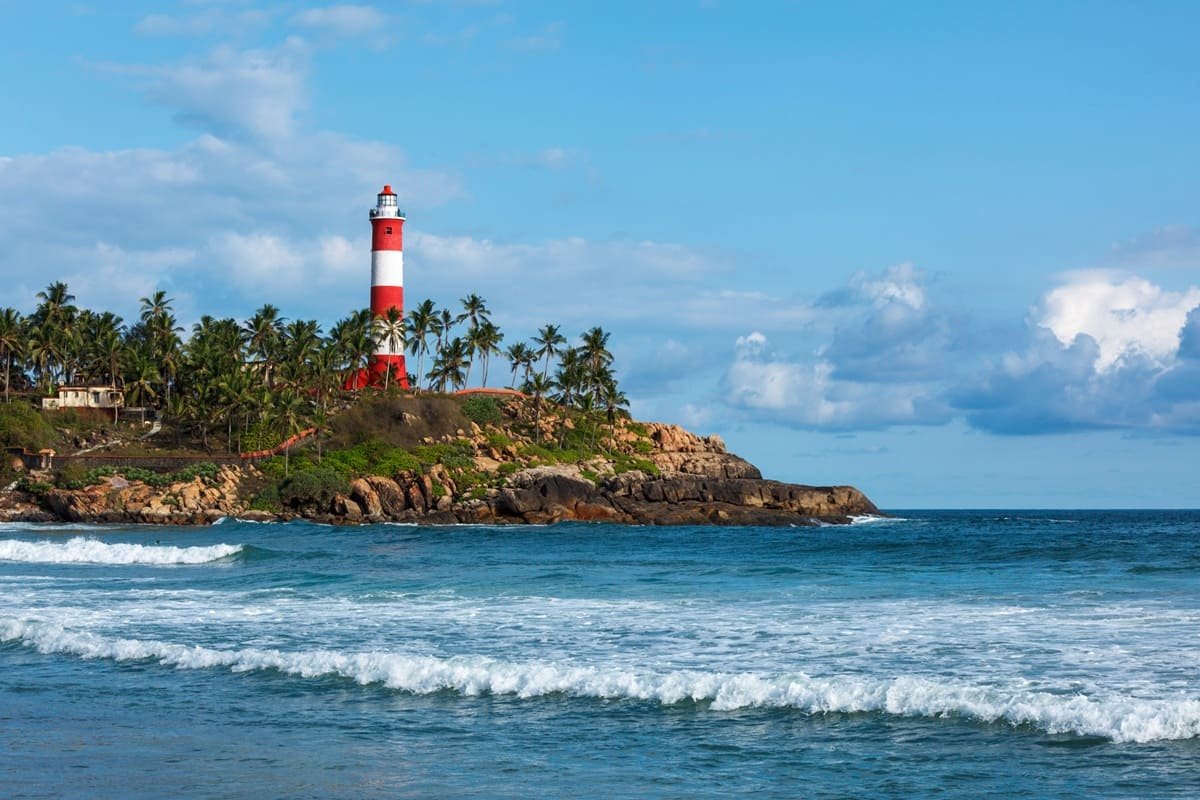
Kollam, a historic maritime gateway in Kerala
Located in the state of Kerala on India’s southwestern coast, Kollam is one of the historic centers of Indian Ocean maritime trade. The city, bordered by the Arabian Sea and the vast network of Kerala’s backwater lagoons, retains a distinctive port atmosphere shaped by Arab, European, and Asian influences.
Today, Kollam Seaport serves as a gateway to a region known for its tropical landscapes, tranquil beaches, and the famous backwater boat routes of Kerala.
Vizhinjam, a new maritime hub near Thiruvananthapuram
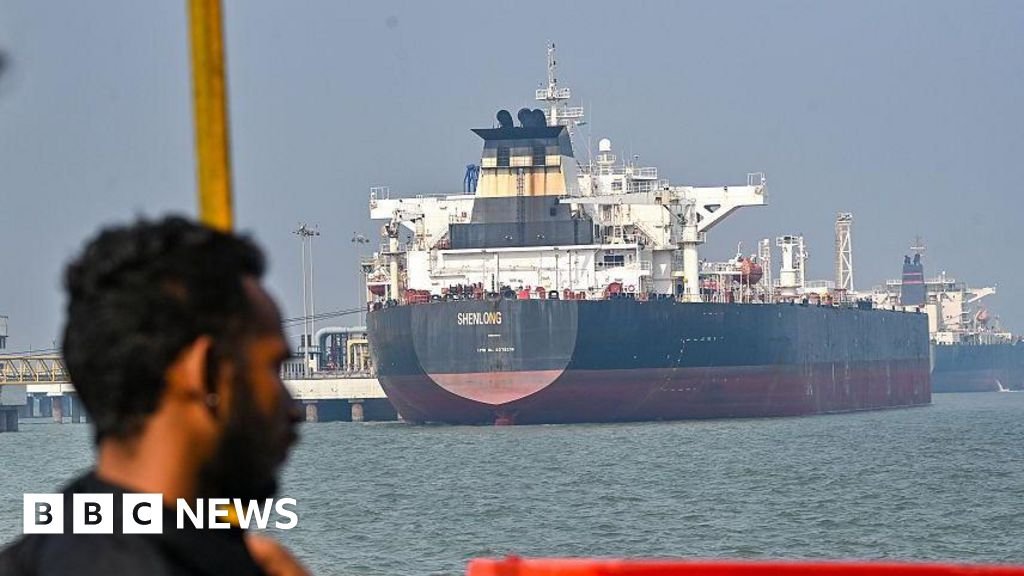
Authorities have also added two separate entry points in Vizhinjam, in the state of Kerala: Vizhinjam International Seaport and Vizhinjam Seaport.
Located just outside Thiruvananthapuram, the capital of Kerala, Vizhinjam is emerging as a strategic maritime hub along Indian Ocean trade routes. Its recently developed deep-water port accommodates both commercial shipping and maritime stopovers.
The area also attracts travelers with its cliff-lined beaches, fishing villages, and proximity to major tourist sites such as Kovalam, one of southern India’s best-known seaside resorts.
Darranga, a border crossing between India and Bhutan
Among the newly authorized land entry points is the Darranga Landport, located in the state of Assam in northeastern India.
This crossing connects India with Bhutan and serves as a gateway to the lush landscapes of the Brahmaputra Valley. The region is known for its rich biodiversity, tea plantations, and proximity to several nature reserves in northeastern India.
Jogbani, on the Nepal border
The Jogbani Landport, located in the state of Bihar, has also been added to the list of authorized entry points for e-Visa holders.
Situated along the border with Nepal, the crossing links the Indian town of Jogbani with Biratnagar, one of Nepal’s main economic centers. It provides access to the plains of the Terai and the routes leading toward the Himalayas.
A system now accessible through numerous entry points
The Ministry of Tourism emphasized that the e-Visa program continues to expand.
In a separate press release focusing on the strengthening of digital initiatives in the tourism sector, authorities indicated that the system is now open to a large number of nationalities and offers a growing network of entry points.
e-Visa scheme is now available to the nationals of 175 countries valid for entry through 33 designated airports, 19 designated seaports and 4 land ports.
Indian Ministry of Tourism, March 16, 2026
This latest expansion follows several recent developments in the system, including the opening of the first land entry point for e-Visa holders in Raxaul in December 2025, followed in January 2026 by the addition of Vijayawada Airport, the Rupaidiha Landport (with Nepal), and several seaports.
E-Visa holders can now enter India via:
33 International Airports
- Ahmedabad, Amritsar, Bagdogra, Bengaluru, Bhubaneswar, Calicut, Chandigarh, Chennai, Cochin, Coimbatore, Delhi, Gaya, Goa (Dabolim), Goa (Mopa), Guwahati, Hyderabad, Indore, Jaipur, Kannur, Kolkata, Lucknow, Madurai, Mangalore, Mumbai, Nagpur, Port Blair, Pune, Surat, Tiruchirappalli, Thiruvananthapuram, Varanasi, Vijayawada, and Visakhapatnam.
19 Seaports
- Agatti, Calicut, Chennai, Cochin, Goa, Kamarajar, Kandla, Kattupalli, Kollam, Kolkata, Mangalore, Mumbai, Mundra, Nhava Sheva, Port Blair, Vallarpadam, Visakhapatnam, and Vizhinjam (2 seaports).
4 Landports
- Darranga, Jogbani, Raxaul, and Rupaidiha.