India’s airports have been ordered to implement a 25% cut in landing and parking fees for domestic carriers over the next three months in the wake of the Middle East crisis.
The order from the Airports Economic Regulatory Authority of India (AERA) applies only to Indian operators, and with immediate effect.
The measure is aimed at providing support to India’s airlines which have been impacted by rising costs linked to the Iran conflict.
Landing and parking charges to be cut for Indian airlines
AERA said landing and parking charges at all “major airports” would be cut by 25%. The body said it would review the situation before the three-month window comes to an end, suggesting an extension may be granted.
Indian airlines have not been as hard hit by the war than their Gulf counterparts, although the entire aviation industry has felt the impacts, not least from surging jet fuel prices.
Air India, the nation’s flag carrier, has been forced to add fuel stops for some of its longer routes.
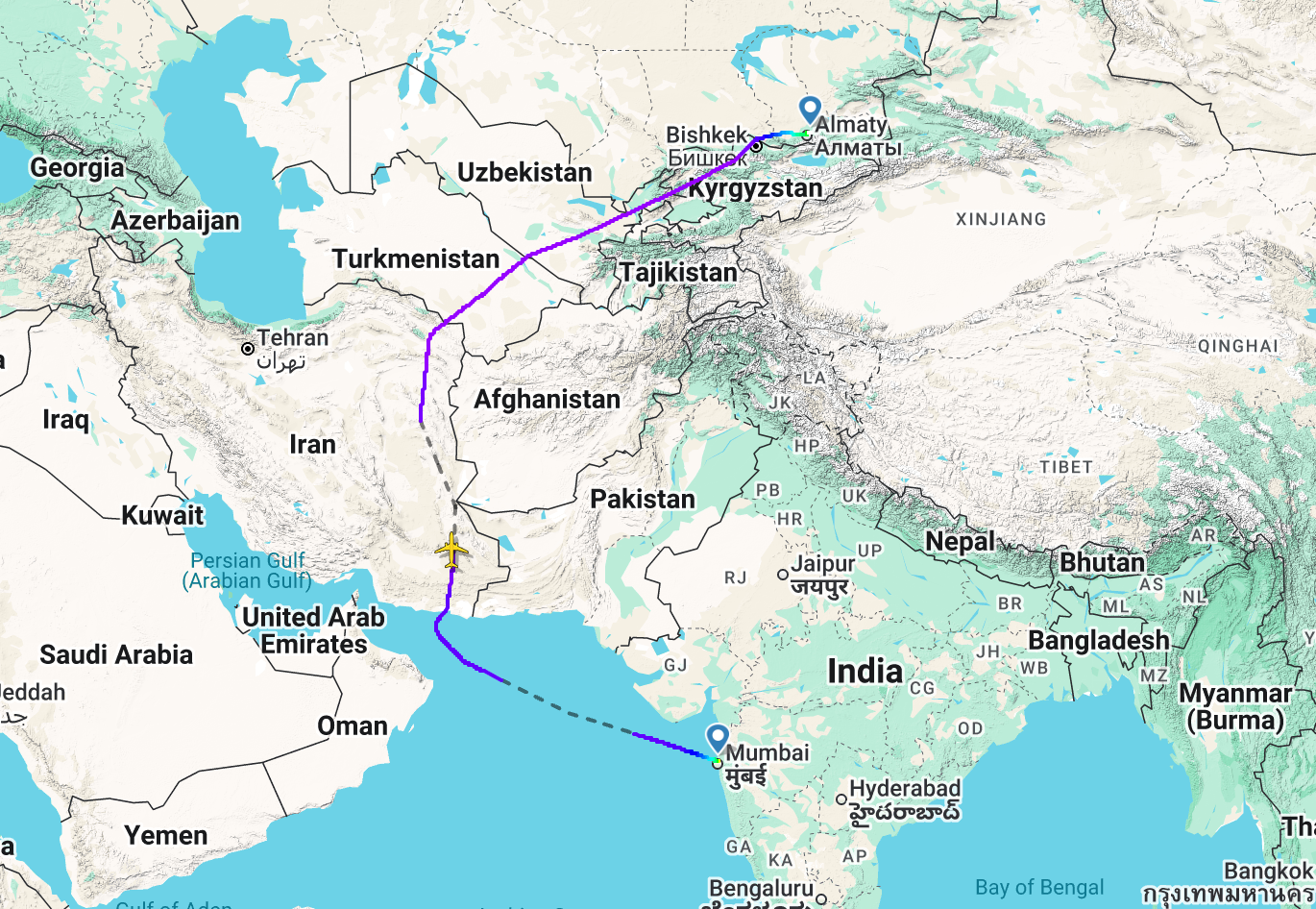
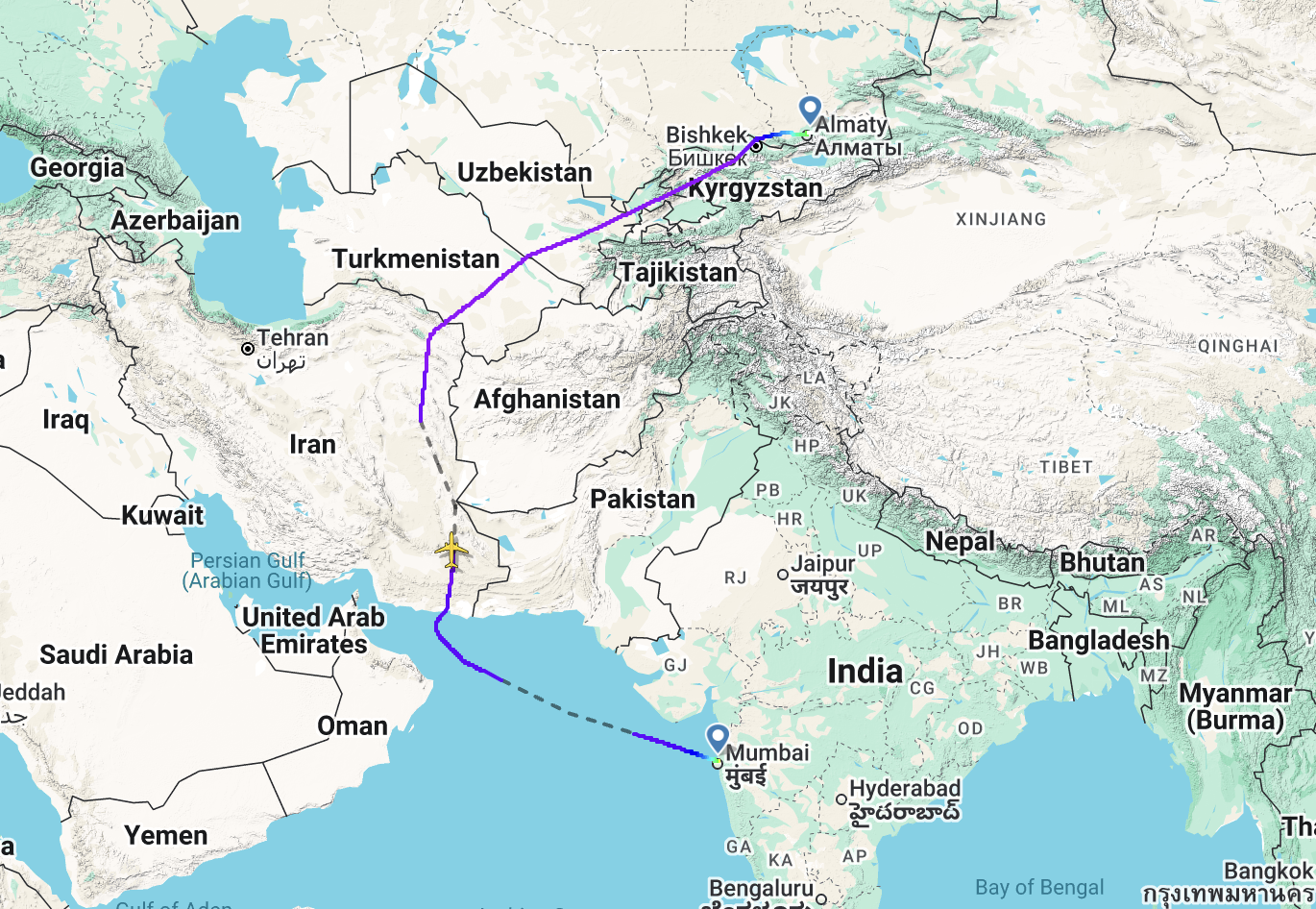
Other Indian airlines are facing similar challenges, not helped by Pakistan overflight restrictions.
The carrier has added fuel stops in Vienna and Copenhagen for flights operating to and from North America.
Air India’s outgoing CEO Campbell Wilson warned in March that “the financial impact of this crisis is yet to be fully felt, as although the spot price of jet fuel has more than doubled, most of the impact will only hit us from next month.”
Reports that Dubai has restricted foreign airlines to a single daily inbound flight are also sending shockwaves through the Indian aviation industry.
Airlines such as Indigo and SpiceJet have extensive connections into the city, and the Federation of Indian Airlines is said to be pushing for the restriction to be lifted.
Could India’s aviation industry benefit from the Gulf crisis?
However, India could stand to benefit from the sudden and significant reduction in flights into the big three Gulf hubs, if it is able to at least partially replicate that model by turning one or more of its big airports – such as Delhi or Mumbai – into a hub and spoke.
India is well located to tap into the Europe-Asia and Europe-Australasia markets, providing a convenient one-stop alternative.
Until now, the likes of Air India have struggled to compete against the bigger hub-and-spoke airlines, such as Emirates and Qatar Airways.
India sees increase in nonstop flights from UK
India may also benefit from an increase in nonstop flights to the country.
Earlier this week, British Airways announced it was redeploying its long-haul fleet away from routes serving the Middle East in favour of India, with demand for air travel to the Gulf having fallen dramatically.
British Airways is adding a second daily flight to Bengaluru, starting on 1 June.
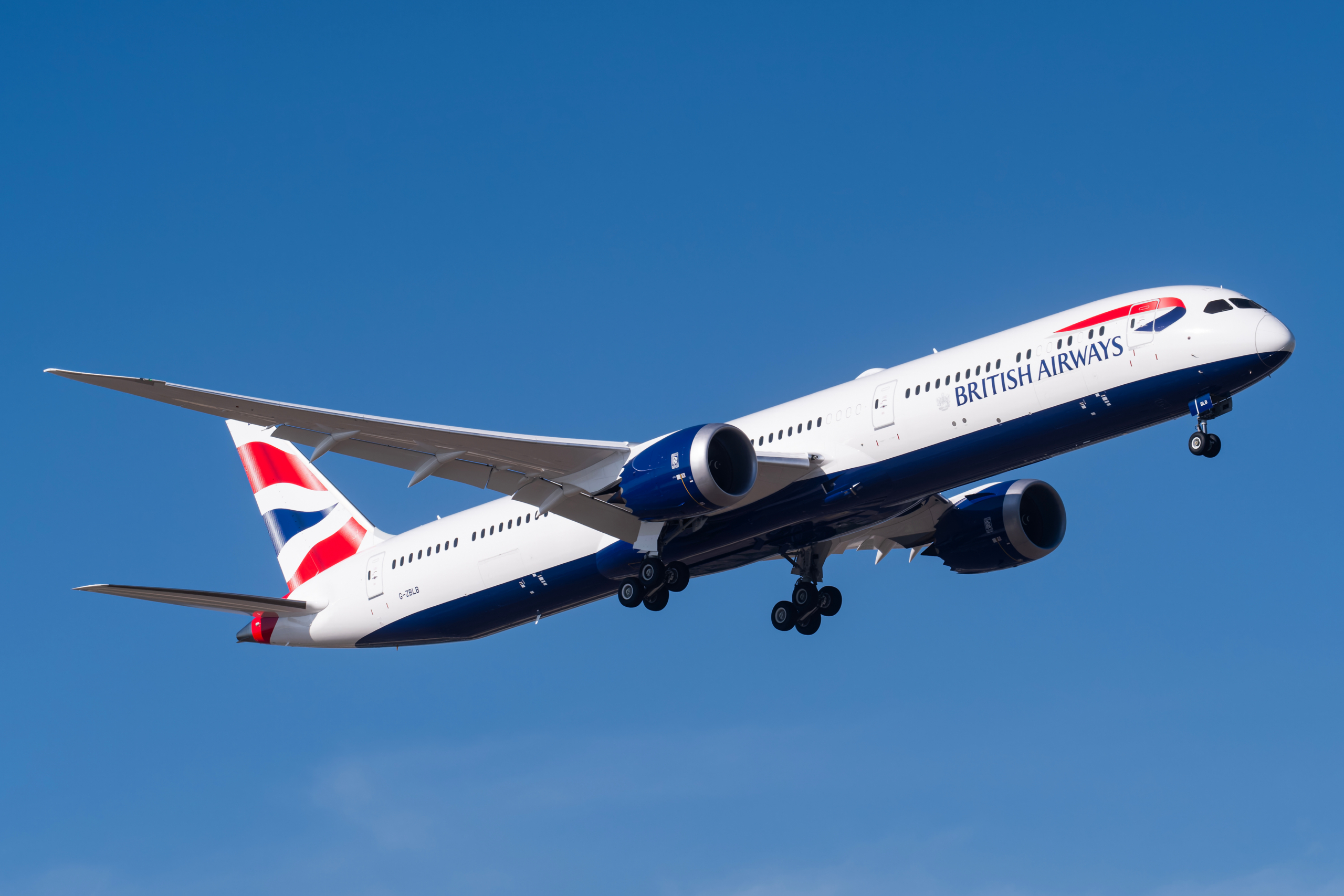
On the Heathrow-Mumbai route, the third daily rotation (BA199/198) will be temporarily suspended from 9 May to 14 May 2026, shortening the previously planned suspension period.
The Heathrow-Delhi route is also being upgraded. Until 31 May, the route will see an increase from two to three daily flights. The third daily flight is scheduled to return from 19 September.
Featured image: Great Brut Here / stock.adobe.com