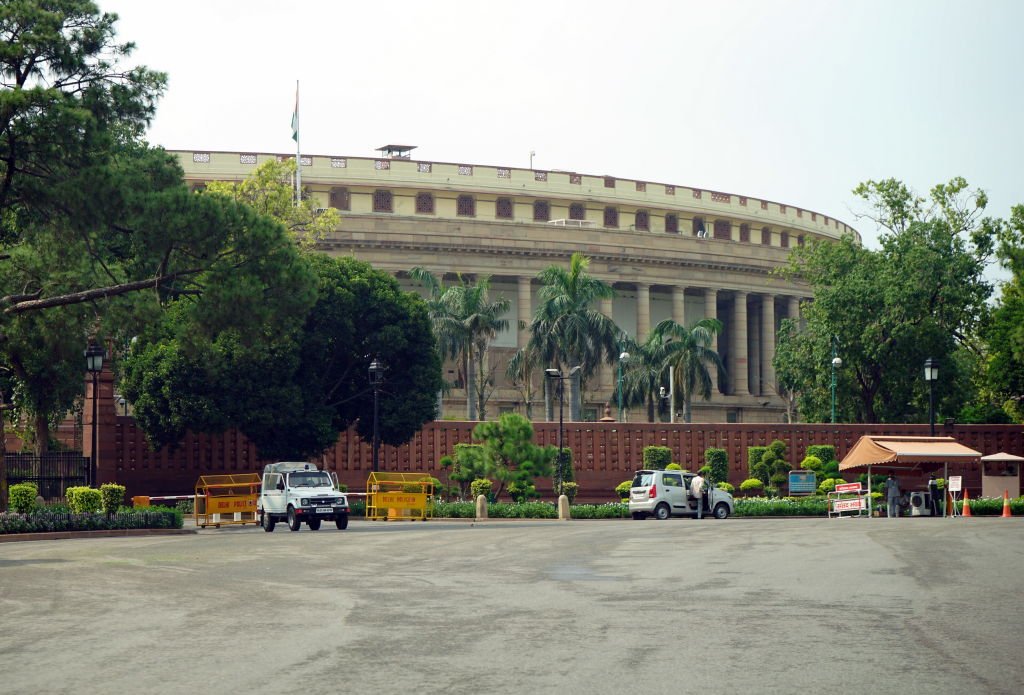
Responding to the tabling of an amendment to the Foreign Contribution (Regulation) Act (FCRA) in Lok Sabha (lower house of the Indian Parliament) that would grant the authorities sweeping new powers over the assets of NGOs that have had their licenses withdrawn, Aakar Patel, Chair of Board at Amnesty International India, said:
“Since coming into force in 2010, the FCRA has been cynically amended and misused to harass, intimidate and censor human rights defenders and NGOs carrying out vital human rights work across India.
“As of 26 March 2026, official data shows that 21,933 organizations had lost their FCRA licenses, depriving them of essential funds and often resulting in their closure or severe restrictions on their activities. Our research has demonstrated that those most impacted are organizations associated with minority rights, right to freedom of expression, environmental rights and climate action.
This amendment would be a blatant abuse of this legislation designed to further crack down on civil society under the pretext of national security.
Aakar Patel, Chair of Board at Amnesty International India
“This amendment would extend these sweeping powers even further. The FCRA already enables the authorities to cancel, suspend or refuse to renew FCRA licenses on arbitrary and vague grounds. These changes would grant them sweeping new powers to create a mechanism to appropriate, manage and dispose of the assets of organizations that have lost their licenses.
“Many organizations are currently litigating in various courts against the cancellation, suspension or non-renewal of their FCRA licenses. This amendment would be a blatant abuse of this legislation designed to further crack down on civil society under the pretext of national security. The Lok Sabha must reject this abusive amendment and uphold the country’s Constitution and international human rights obligations regarding the rights to freedom of expression and association.”
Background
Under the proposed changes, a “designated authority” would take over, manage or dispose of assets created out of foreign funds by an NGO or association, which has had its FCRA registration suspended, cancelled, or not renewed. The Indian government has repeatedly amended the Act to make it more stringent and burdensome for the civil society to carry out their legitimate human rights activities.
In 2024, the Financial Action Task Force found India only “partially compliant” on safeguards for non-profits, warning that measures such as the FCRA risk being misused to restrict legitimate civil society activity, and urged as a priority that they be made risk-based, proportionate, and developed in consultation with the sector. In 2016, the UN Special Rapporteur on the rights to freedom of peaceful assembly and of association warned the Indian government that the FCRA contains overbroad and vague provisions that undermine the right to freedom of association.