It has been over two decades, but writer and transgender activist Revathi Reva still vividly remembers the humiliation she felt when she had to strip naked in front of doctors as they examined her body to verify her gender.
In the early 2000s, when she tried to get a passport after her transition, officials demanded proof of gender-affirming surgery that hospitals refused to provide. Doctors delayed giving her a certificate for days until she staged a protest outside a hospital, she says.
“The doctor called male and female nurses in a room, where I was completely stripped naked… they were touching my vagina to assess if I had transitioned. I was feeling so much shame at the time,” Reva tells The Independent.
Reva says she has faced stigma and discrimination ever since 1984 when, at the age of 16, she began identifying as a woman. Yet there is no question that trans rights have improved dramatically in India in the same period, with a landmark 2014 Supreme Court ruling making it one of the first countries in the world to legally recognise a third gender besides male and female.
That hard-won progress is why activists are so shocked by a law passed this week in parliament that removes the right to self-identification of gender, among other controversial amendments to trans people’s legal rights. At a time when trans rights have come under fire amid culture wars in the West, Reva fears a return for one of India’s most vulnerable and marginalised communities to the dark days of fear and humiliation.
“The pain I suffered 30, 40 years ago… I do not want the new generation to face that,” she says.
The bill passed in both houses of parliament, after only a brief discussion and despite a boycott of the votes from opposition parties, significantly alters India’s primary law governing the rights of trans people, which was passed in 2019 in response to that Supreme Court ruling.
The amendments introduce a narrower definition of transgender identity, mainly recognising groups like the hijra that have a basis in spiritual practices. Historically called eunuchs, they hold recognised cultural and religious roles, blessing new births, ceremonies and festivals, rather than being defined solely by gender.
It also replaces self-identification with a system requiring certification from a medical board followed by approval by a district magistrate – a civil services officer serving as the administrative head of a district in India. It states that the district magistrate “on being satisfied with the correctness of such certificate” can issue a certificate indicating change in gender.
The amendments appear to contradict the 2014 ruling, which defined “transgender” as an umbrella category meant to recognise and protect people whose gender identity differs from their assigned sex at birth, and held that requiring medical procedures for recognition was both unethical and unlawful. Under the 2019 law, a certificate of identity did not require medical examination.
Critics say the new requirement reframes identity as something to be verified by the state rather than asserted by the individual. For many activists, the implications are immediate and personal.
“I kept thinking: in a few hours, will I still be me?” says Rituparna Neog, former member of the National Council for Transgender Persons (NCTP), a statutory body established by the Indian government to advise it on all policy matters affecting transgender and intersex persons.
“Who will I be? Someone else will decide about my identity?”
The government claims that benefits for trans people under the 2019 law, such as quotas for improved access to jobs and education, were being abused. “Fake cases have been increasing, where people are posing as transgender,” said Byreddy Shabari, a member of the regional Telugu Desam Party, a coalition ally of the ruling Bharatiya Janata Party (BJP).
Virendra Kumar, the minister for social justice and empowerment, says the bill’s “sole purpose” is to protect individuals who “face severe social exclusion due to their biological condition”. He says that to ensure “transgender persons can avail themselves of the benefits of this law, it was necessary to provide a precise definition for them”.
Grace Banu, a trans activist who has been at the forefront of transgender rights advocacy for nearly two decades, says the amendment reverses hard-won gains.
“The 2019 bill was also problematic. It included definitions like ‘partially male, partially female, neither wholly male nor wholly female.’.. We fought hard to move toward self-identification, but now this bill is again taking us backwards.
“They are recognising only certain identities… many identities are being erased from history. This shows they want to erase our history and our rights.
“Self-identification is fundamental to [the 2014] judgement. My gender identity is my own, and I have the right to define it. No one else, especially cisgender people, has the right to decide my identity. That is why we firmly oppose the bill.
“As cisgender people debate our identities in parliament, the question becomes: who has the right to decide our gender?” Banu asks.
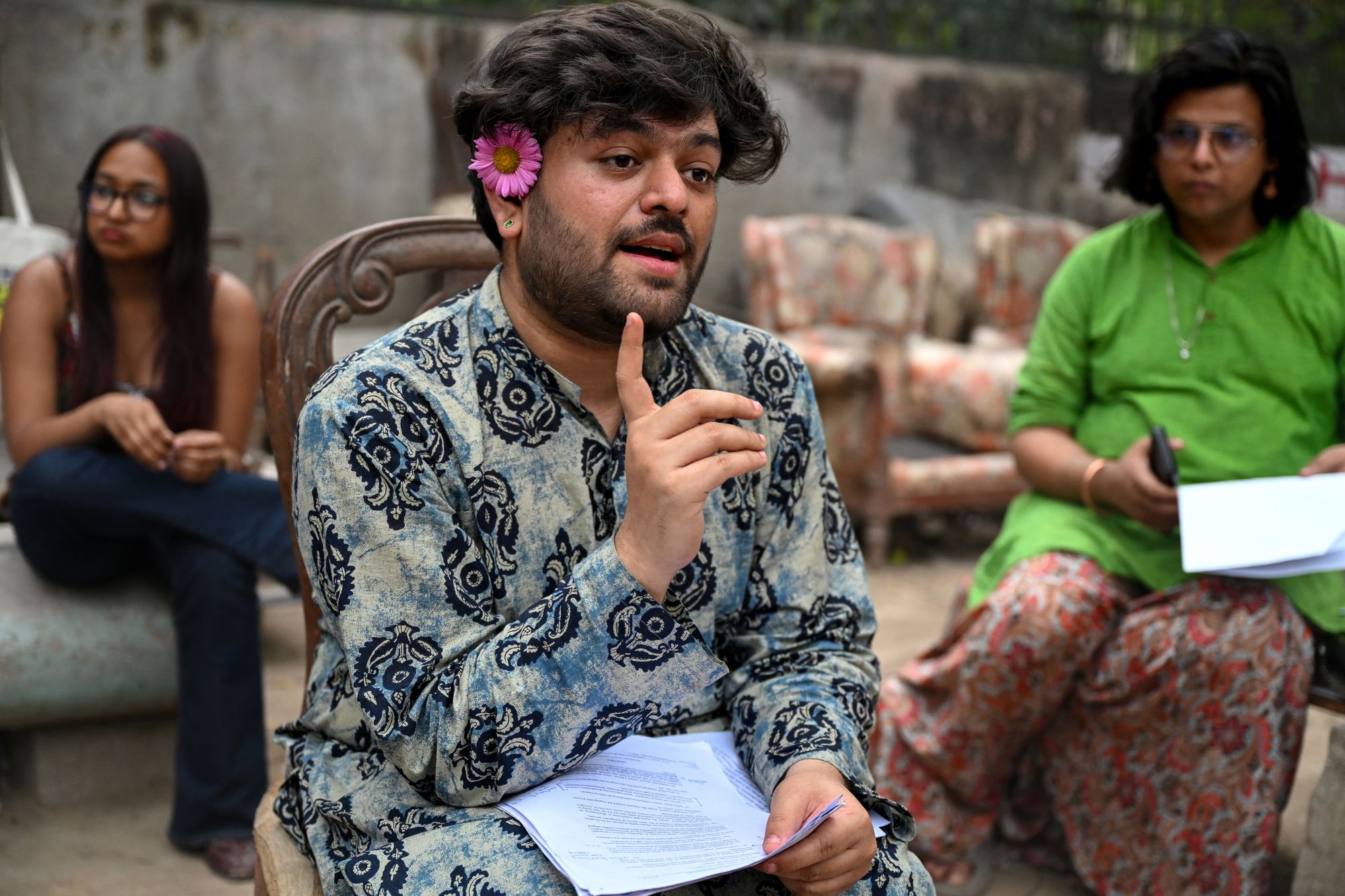
Members of the NCTP have alleged they were neither consulted nor informed before the bill was introduced. “We didn’t know about it at all,” Neog tells a press conference in the capital Delhi. “The council is supposed to advise the government on transgender matters. It’s shocking.” Two members of the NCTP, Kalki Subramaniam and Neog, have since resigned in protest.
Activists describe a broader pattern of exclusion from policymaking, saying engagement with officials often reflects a limited understanding of gender beyond binary frameworks.
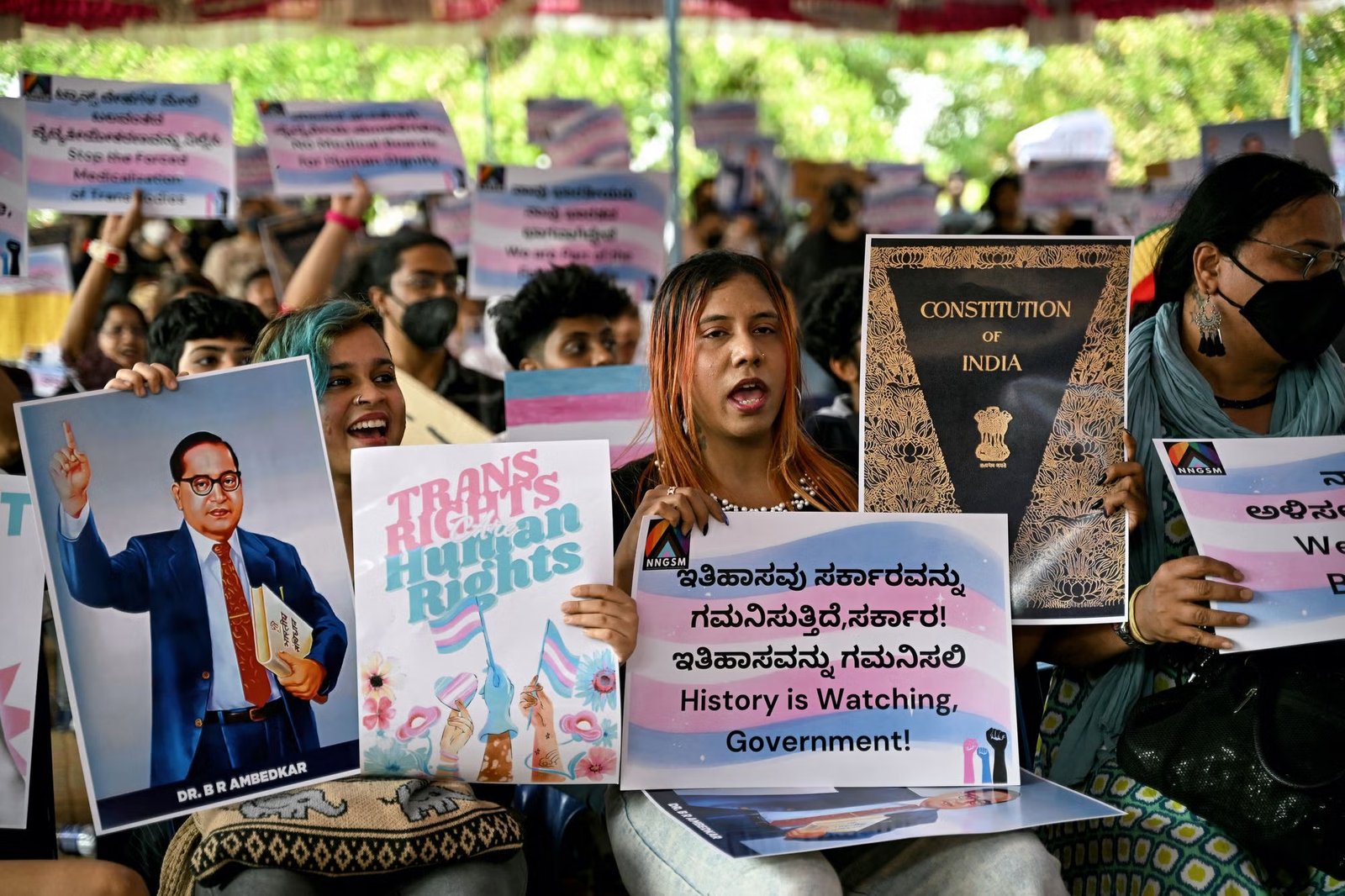
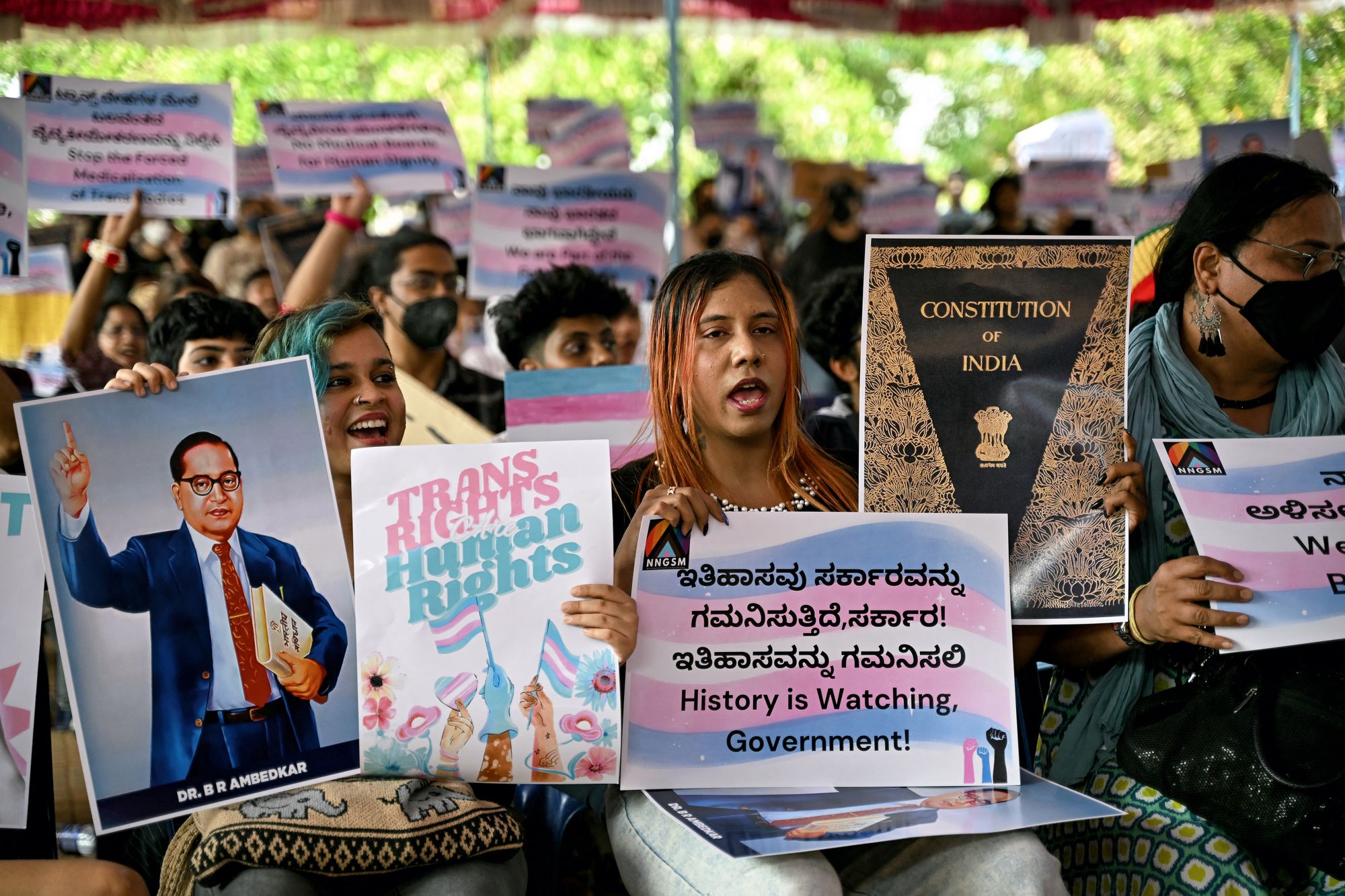
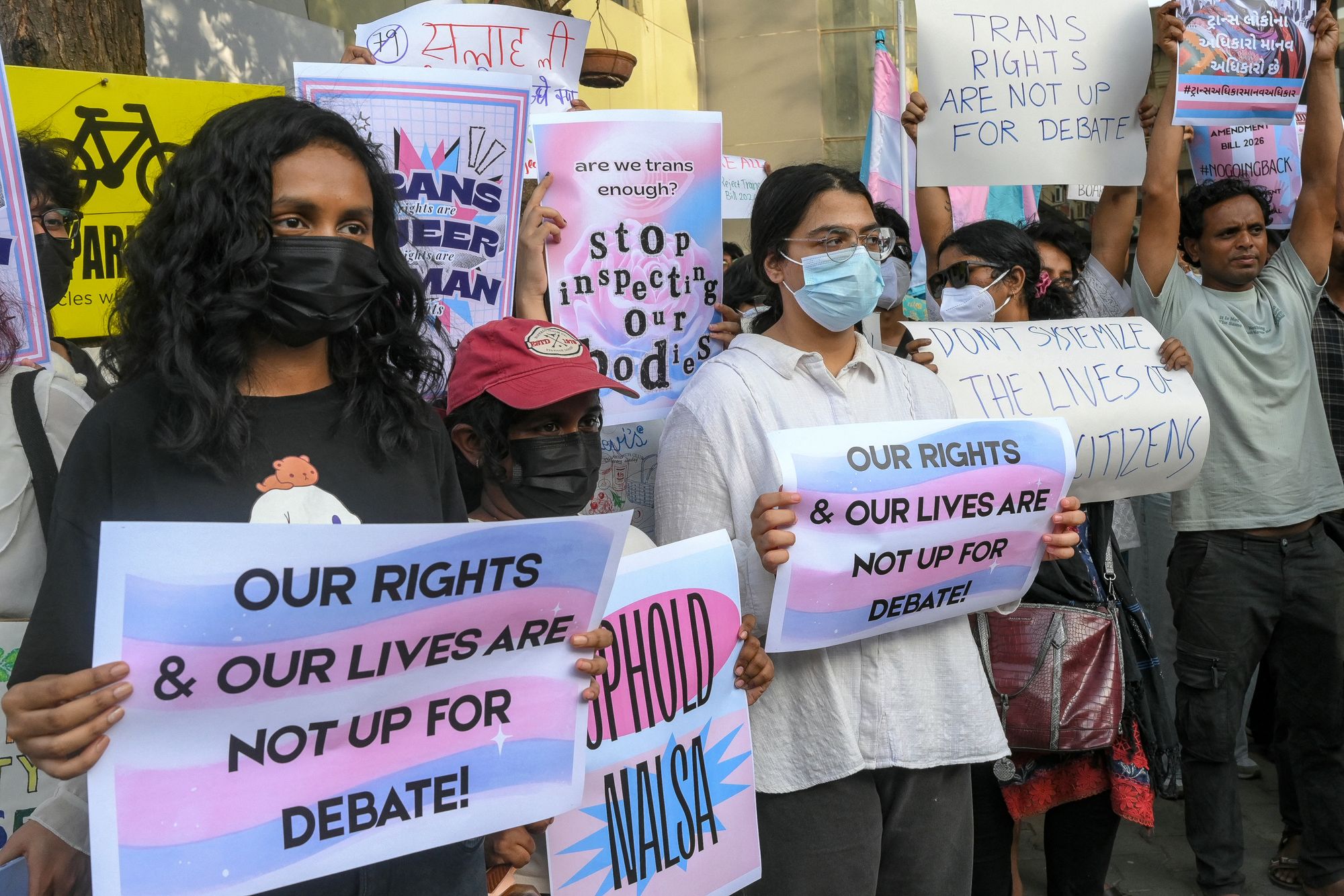
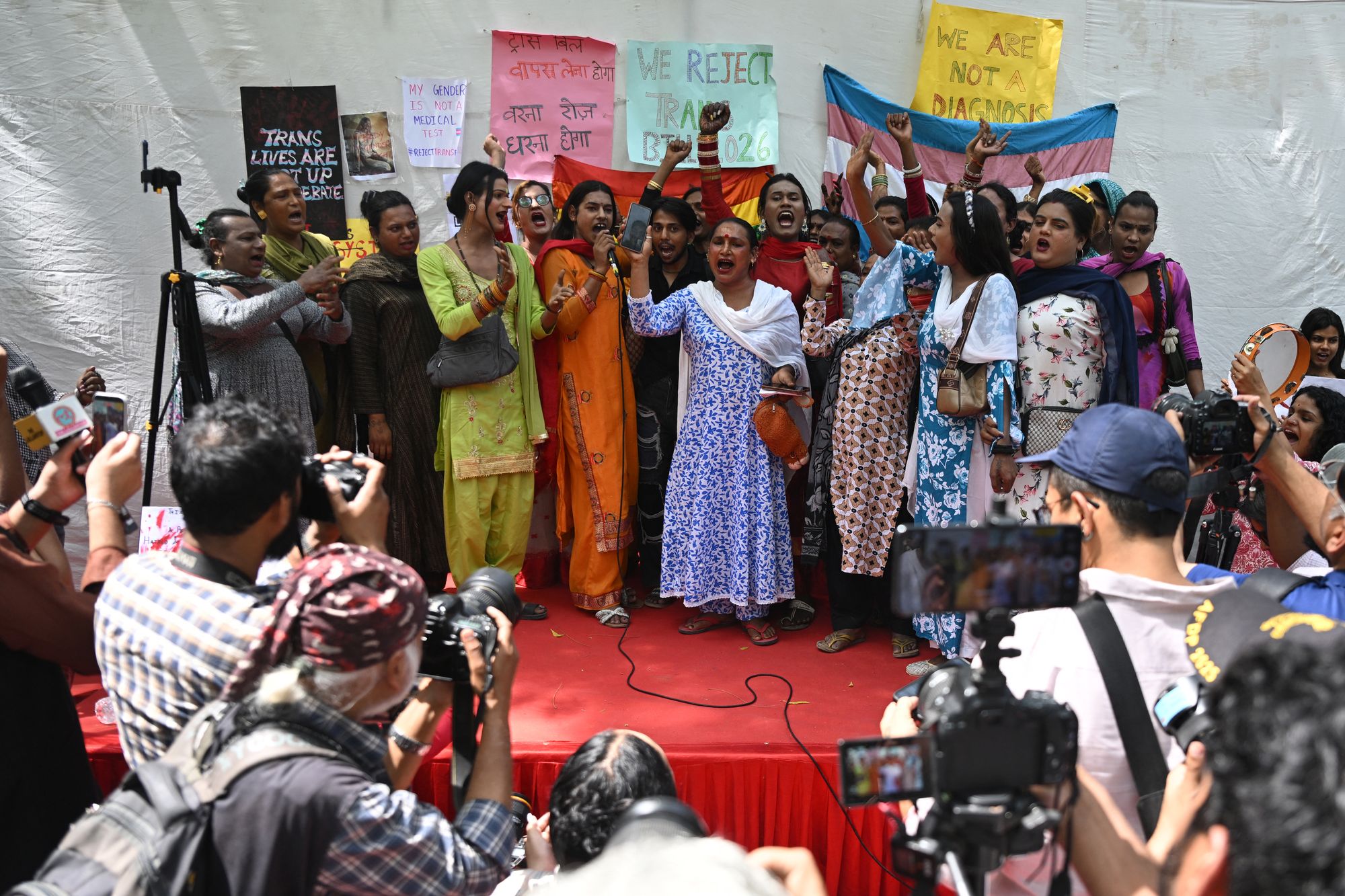
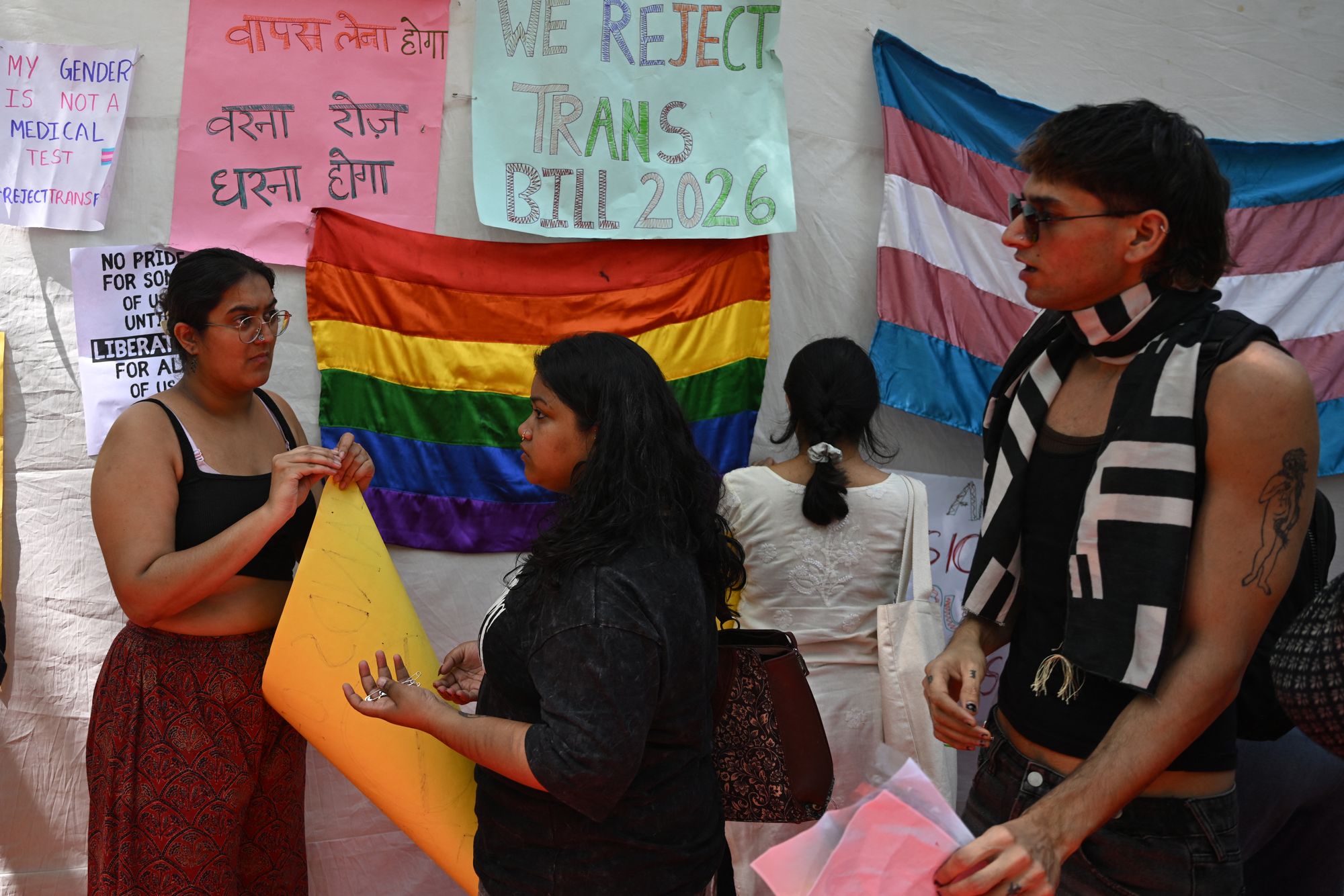
Across India, protests, press conferences, and online campaigns such as #RejectTransBill2026 have followed. Civil liberties groups, including the People’s Union for Civil Liberties (PUCL), have warned that the amendments dilute protections rather than expand them.
The 2019 Act, despite criticism, created a legal framework prohibiting discrimination and enabling access to education, employment, healthcare and welfare schemes. It also led to institutional recognition in systems such as Aadhaar and employment records.
But many of these benefits remain unevenly implemented. Activists say the new bill not only fails to address these gaps but risks undoing even limited progress.
“They are not addressing how to protect trans children from their families or from society. There is no mention of including trans children in the national child policy. There is no discussion of state policies or protections against social discrimination. These are major issues we face, yet the bill focuses only on identity.”
The bill also introduces new criminal provisions, in vague language, targeting acts involving “coercion, deception or inducement” in relation to gender-affirming procedures.
The bill makes it a criminal offence to abduct adults or children and to cause bodily harm, whether reversible or irreversible, “through mutilation, emasculation, castration, hormone therapies” or “forced assumption of a transgender identity,” carrying sentences ranging from a minimum of ten years to life imprisonment.
While framed as protective of trans people, critics say the language is vague enough to criminalise consensual care and community support.
Activists point to the deep stigma faced by members of the transgender community in India, who are often abandoned by their families as child and adults. They move to live in disciple-based community and sometimes, adopt such children.
“In India, we have strong sociocultural support systems – chosen families that support each other. This bill erases those relationships and criminalises them. Supporting another trans person could make you a criminal. That is a grave injustice,” says Banu.
Banu points to disparities in punishment.
“For example, if a trans person is raped, the punishment may be six months to two years. But if a trans woman supports another trans woman in certain ways, the punishment could be up to 14 years. This clearly shows the inequality between how cisgender and trans people are treated.”
For many, the policy debate cannot be separated from lived experience.
Vaivab Das, a non-binary community organiser, describes their identity in deeply personal terms: “I identify as a gender non-binary person. My identity is a disavowal of all the ways in which binary (male or female) gender norms are imprinted on our bodies as condition to access a dignified life. It is an intimate space of understanding my gender dysphoria and not a public object for scrutiny and consumption.”
They warn the bill expands state control over private identity: “This amendment bill is a bare throttling of the Constitution of India. I am not out to my family but under the sections that medicalise and criminalise my body, the police, the bureaucrat and the doctor will decide when this private information becomes a public conversation.”

Rudrani Rajkumari, a trans-queer woman, says: “Sometimes stepping outside becomes a battle. You are stopped, questioned, asked to prove who you are.”
Her life, she says, has been shaped by years of bullying, suppression and internal conflict before she began to transition socially. “I would wake up in the morning and then I would like battle thought, should I go or should I not go, you know, because what if all this happens?”
The 2019 law, she says, had begun to change things creating visibility and a sense of possibility. “There was good visibility happening… all of these things have been happening in front of our eyes, you know, which was not possible, before the act.”
But the amendment has triggered a reversal. “From the moment this bill has been, brought up in the parliament, I have been having my anxiety pills every day.”
Over the past decade, India’s transgender community has carved out space in education, employment and public life, supported in part by legal recognition following the 2014 judgment. But activists say that progress remains fragile and is now at risk of being undone.
“They want us to give a newborn child our blessing, but they don’t want to give me my employment rights,” says Banu, referring to religious beliefs in South Asia that transpersons have the power to bless or curse fertility.
“They want me to enter their new house first to bring prosperity but they are not ready to give me my reservation rights. They want all my blessings but don’t want to give me any of my rights, including that of political participation, protecting trans kids from family members.”