“Diversions have plateaued at a new elevated floor, reflecting structural rerouting of cargo away from the Strait toward ports across the UAE, Oman, India, and Saudi Arabia,” says Eric Fullerton, Vice President of Product Marketing and Data Insights at project44, in a conversation with journalist Lori Ann LaRocco.
Why Navi Mumbai became the dumping ground
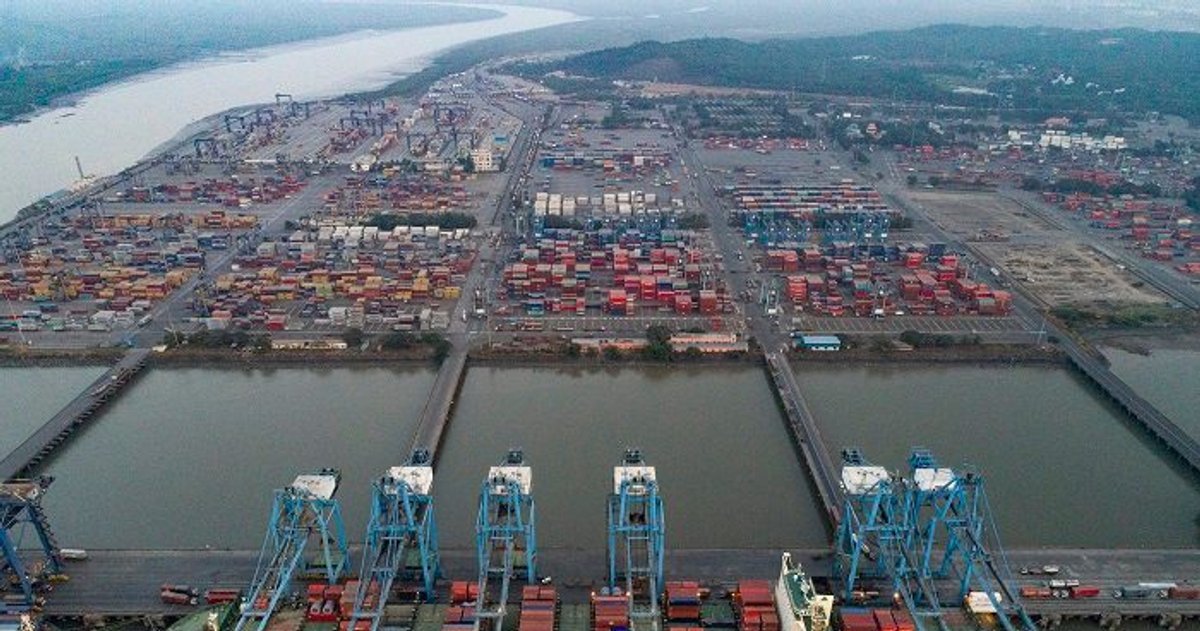
As shipping lines sought safe alternatives, one of the major dumping grounds for these diverted containers quickly became Navi Mumbai, India’s largest container port.
India’s Jawaharlal Nehru Port in Navi Mumbai has rapidly evolved into a major transshipment node, with volumes jumping more than 700% versus February baselines, according to project44’s analysis.
In normal conditions, Navi Mumbai’s infrastructure is geared for fast transshipment cycles and quick handoffs to onward sailings. That model is now under severe strain.
The sheer volume of diverted cargo shows that even ports built for high‑velocity relay operations can be overwhelmed, turning a flagship gateway into a catch‑all for boxes that can no longer move smoothly through the Gulf.
Navi Mumbai has become the most heavily stressed port in the affected network. Project44 reports that average import dwell has more than doubled, from under 12 days at the time of the closure to 23.47 days by Week 4, the highest level recorded across the system.