In December, the carrier cancelled about 4,500 flights, leaving thousands of passengers stranded at airports across India.
IndiGo controls about two-thirds of the country’s domestic aviation market, so the inconvenience caused by the disruptions was huge. Thousands of people missed important life events, including funerals and their own weddings, and were left scrambling to make alternate arrangements.
The disruption followed the introduction of new pilot duty and rest regulations in India designed to reduce fatigue among flight crews. The airline later acknowledged it had misjudged how many pilots it would need once the rules came into force.
India’s aviation regulator later fined IndiGo about $2.45m (£1.82m) and criticised several senior executives, including Elbers, over the handling of the disruption.
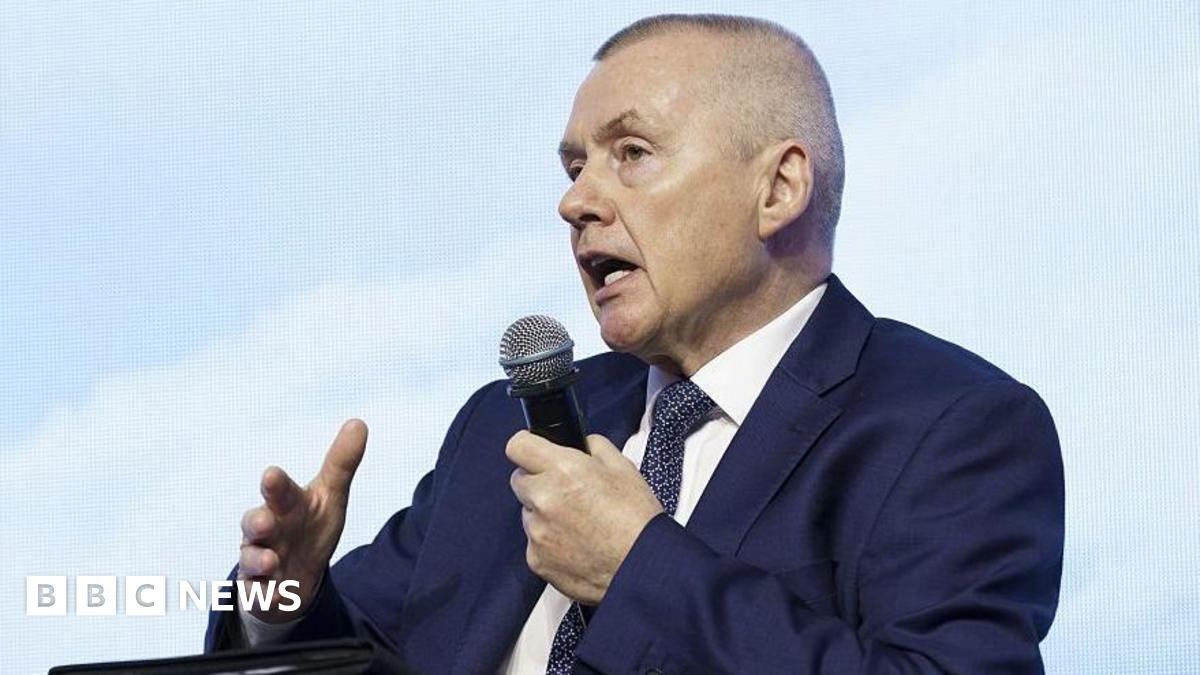
The company’s co-founder Rahul Bhatia took charge in the interim after Elbers’ resignation and will continue till Walsh joins office.
Walsh has a storied career in the global aviation industry. He became the chief executive of British Airways in 2005 and ended a 15-year-long career with its parent company International Airlines Group in 2020.
He joined Irish carrier Aer Lingus in the late 1970s as a cadet pilot. He gradually worked his way up through the ranks to work in flight operations and was appointed as its chief executive in 2001.
“The aviation landscape is evolving rapidly, and IndiGo is extremely well-positioned to be at the forefront of this change,” Walsh said in a statement.
IndiGo chairman Vikram Singh Mehta said Walsh’s experience in leading large airline operations and handling complex market conditions made him the right choice to lead the carrier’s next phase of growth.
The airline operates a fleet of more than 400 aircraft and runs thousands of domestic flights daily, as well as some international routes. It has also been making a push to expand in the premium international travel space.
Follow BBC News India on Instagram, external, YouTube,, external X, external and Facebook, external.