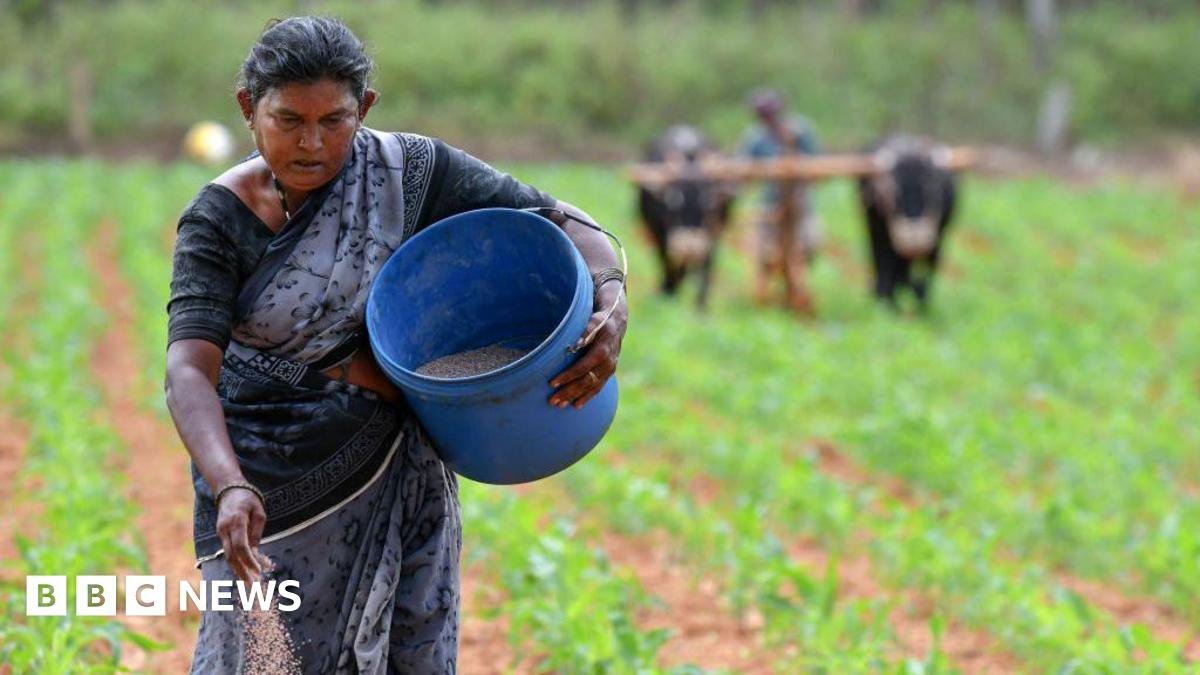
Nitrogen fertilisers such as urea – the most widely used in India – are crucial for farmers because many major food crops, including rice and wheat, cannot absorb adequate nitrogen directly from the air.
India uses nearly 40 million tonnes of urea annually, supported by government subsidies, and supply disruptions could affect planting decisions.
Farmers in northern states of Punjab and Haryana – which are major grain-producing regions – say they are not yet feeling the stress as the key sowing season (June-July) approaches. They typically start buying urea for this season from May.
Currently, supplies are available through farmer cooperatives as well as warehouses run by manufacturers and distributors, but there are worries about the future.
“We don’t know how long the stock will last if the war stretches any further,” said Manpreet Singh Grewal, president of a farmers’ collective linked to Punjab Agricultural University.
India had urea stocks of about 6.2 million tonnes, external as of 19 March, according to government data.
Fertiliser use peaks during the June-to-September monsoon crop season, which analysts say the current stocks should be able to support under normal conditions.
Some experts warn that the situation could worsen if disruptions continue.
India’s fertiliser production is “surely going to be impacted” because of the disruption, Siraj Hussain, a former federal secretary of agriculture and farmers’ welfare in India, told the BBC. “The government should be preparing for a shortage of urea and other fertilisers for the monsoon harvest.”
He points out that in many parts of India, farmers use more urea than recommended, applying “more nutrients than crops can absorb”.
“This means a temporary shortage may not significantly affect yields in those areas. However, supplies would need to be ensured in regions where fertiliser use is lower, as crops in those areas could be more vulnerable,” he says.
Executives at two fertiliser companies, who did not want to be identified, told the BBC that shortages could emerge later in the season if the conflict continues – though the timing and scale would depend on how long supply disruptions persist.