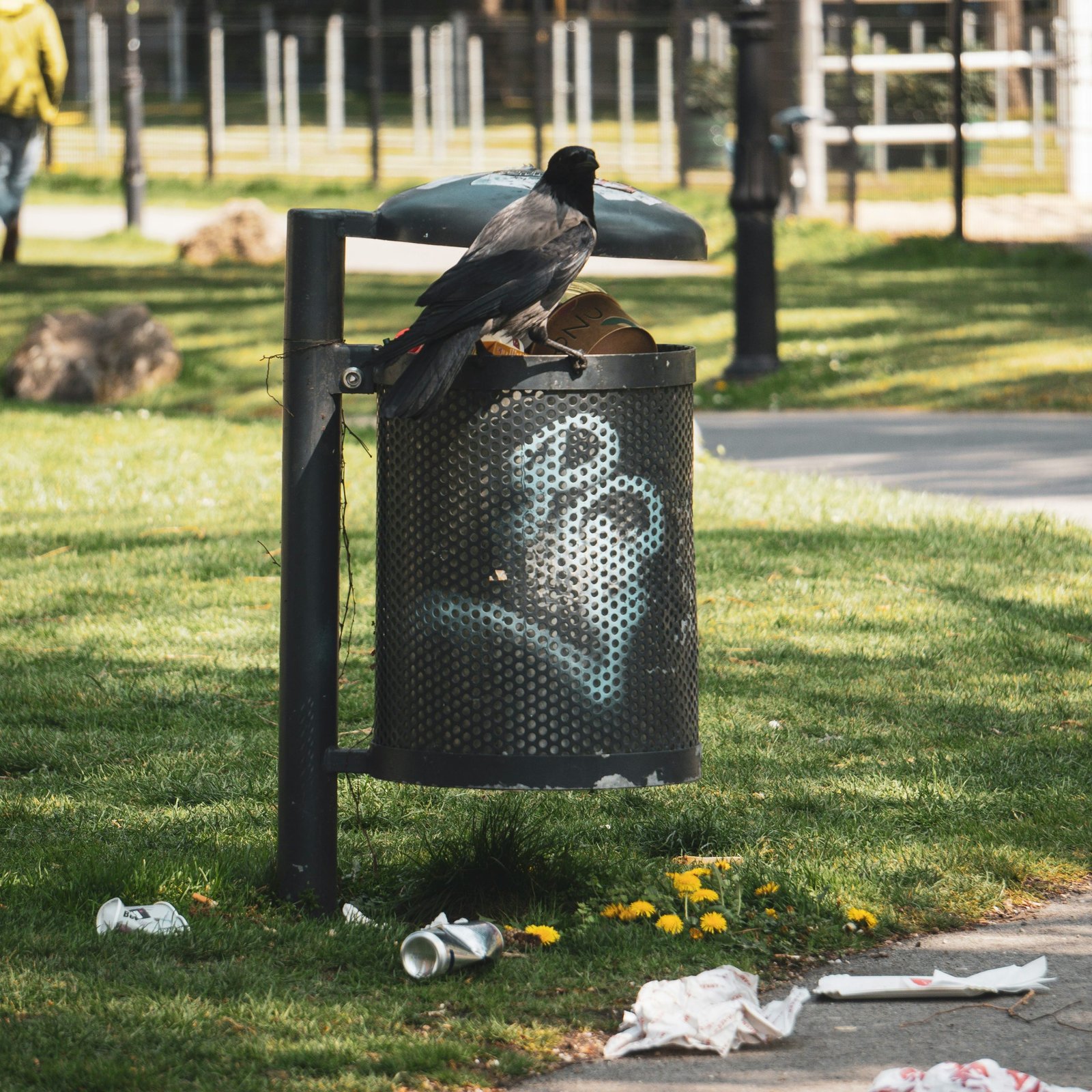
An increasing litter problem is impacting south west London parks and green spaces.
Green spaces are a pivotal part of the British spring and summer, offering accessible areas for the public to sunbathe, have picnics and enjoy the weather.
However, with that, comes the rising issue of littering. A report released by Keep Britain Tidy in 2025 found that in England, more than 90% of the 1,140 miles of urban and rural sites it surveyed over the past decade contained litter.
This includes increasing litter anxiety throughout the country, with 77% of people believing the problem is worsening.
A park maintenance worker in a south west London park, who wished to remain anonymous, told the SW Londoner: “I think the main issue with the litter is people who come and do different activities like birthdays or private parties in the park, they don’t take the rubbish with them.
“Some people, most of them younger, have picnics, they drink, and they leave everything behind, and the next day, the foxes and squirrels and many other animals damage and spread (the litter), and we try to do the best to maintain it as clean as possible.
“I think it’s getting worse – in the past we used to have more people to help us.
“We used to have volunteers, but now I never see volunteers, and even if I see them sometimes, they walk down, and they are not going to the crowded places.
“It doesn’t help much.”
Hubbub, an environmental charity dealing with increasing sustainability challenges as well as working with communities, businesses and people, said in a statement to the SW Londoner that increased litter can have a detrimental impact on wildlife and highlighted the importance of looking after the environment.
“Green spaces are essential for our health and wellbeing,” it said.
“They offer space to unwind, exercise, and connect with each other and nature. They’re also home to wildlife.
“But as people spend more time outside in parks and green spaces, it can be common to see litter increase.
“As well as looking ugly, litter often encourages more littering, can harm wildlife, and end up polluting our parks and waterways.
“It also costs us – councils spend millions clearing up litter. It’d be great to see that money going to enhance our shared green spaces rather than maintaining them.
“There are effective solutions out there. The Big Ballot Bin shows that tapping into curiosity, conversation and competition can make the right choice the fun choice, transforming a simple act like binning rubbish into a moment people enjoy and remember, and can reduce litter by 60%.”
Wandsworth Council said it regularly keeps parks clean and has encouraged people to recycle wherever possible.
“Wandsworth Council works year‑round to keep our parks clean and welcoming, with extra measures in place during the busy summer months when more people are out enjoying warmer weather,” it said.
“As footfall rises, we increase bin capacity across our five major parks so everyone can make the most of our award‑winning green spaces.
“A record twelve of Wandsworth’s parks have earned the prestigious Green Flag Award, and we’re committed to keeping them in great condition.”
The council said a new recycling scheme it implemented across its parks has contributed to a 25% rise in the borough’s recycling rate.
“Keeping our parks looking their best is something we all play a part in. Alongside the Council’s services, we’re fortunate to have some really dedicated volunteer groups in Wandsworth that help our parks clean and tidy as well,” it added.
“And by using the bins provided, recycling where possible, and taking litter home when bins are full, residents can also help ensure these much‑loved spaces stay clean, green and enjoyable for everyone.”
Featured image credit: Seri via Unsplash