A spicy deal in the world of Big Food.
McCormick & Company (MKC) and Unilever (UL) announced on Tuesday that they have entered into an agreement to combine McCormick with Unilever’s foods business, excluding those in India. The deal values the combined company at about $65.8 billion.
McCormick shares rose 3% in premarket trading. Unilever rose slightly.
Quick deal details:
-
McCormick chairman and CEO Brendan Foley will lead the combined company. Here is my last chat on Yahoo Finance with Foley on the business of spices.
-
McCormick has received $15.7 billion in committed bridge financing from Citigroup Global Markets Inc., Goldman Sachs Bank USA and Morgan Stanley Senior Funding, Inc., and intends to fund the cash component of the purchase price through a combination of cash from its balance sheet and proceeds from new debt issuance.
-
The combined company expects to realize approximately $600 million in run-rate annual cost savings, net of growth reinvestments.
McCormick will get a Unilever food business performing respectably but enduring the same challenges as others in the industry, namely market softness due to evolving consumer preferences.
Unilever’s food business grew sales by 2.5% last year, with operating profits gaining at a slightly faster pace of 2.7% due to a more watchful eye on expenses.
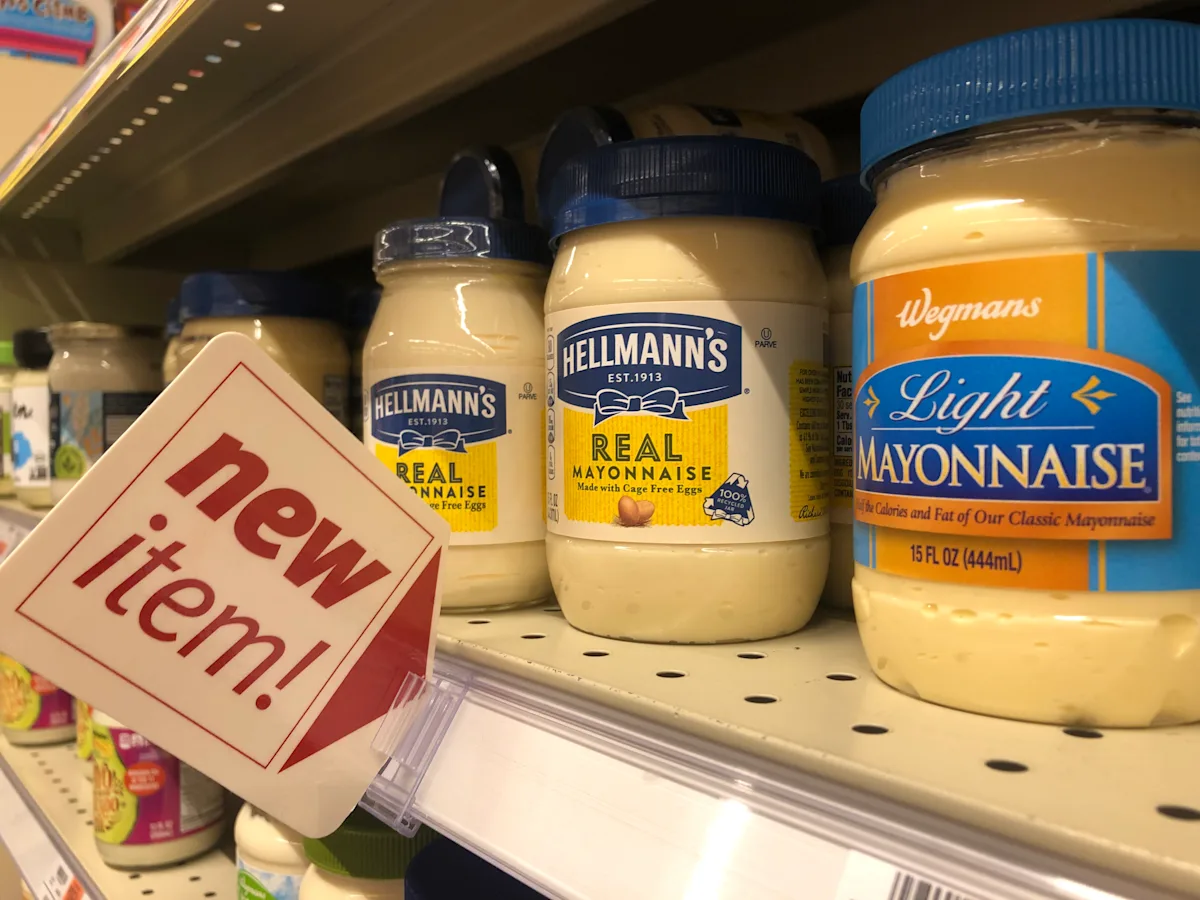
Unilever called out “declining markets” in developed countries, with Hellmann’s outperforming due to a new flavoured mayonnaise range.
Sales in the Cooking Aids segment increased by a low-single-digit percentage, mostly from higher prices.
The Food Solutions segment saw flat year-over-year sales, as volume gains in North America were offset by declines in China. The company blamed “weaker out of home consumption” and economic pressure.
The combination comes as the packaged food industry battles multiple headwinds and falling valuations. Investors are fretting about sticky inflation weighing on margins and the effect of rising GLP-1 adoption on sales.
“We believe intensifying headwinds and emerging challenges have been building for some time to undermine historical assumptions underpinning the US consumer packaged goods investment case,” Deutsche Bank analyst Steve Powers warned in a new note on Monday.
“Some of these dynamics may ultimately prove fleeting, temporary, or more cyclical in nature (e.g., macroeconomic or geopolitically derived factors). However, others (e.g, demographic inflections, underlying balance of power shifts in the value chain) are more likely to prove more structural or longer-lasting, in our view.”