These are some of the findings, set out in an article published in Marine Pollution Bulletin, from a study led by experts Odei Garcia-Garin from the Faculty of Biodiversity Research Institute (IRBio) at the University of Barcelona, and the Institute of Aquatic Ecology at the University of Girona (IEA-UdG), and Núria Viladrich, also a member of the Faculty of Biology and IRBio. The study, funded by IRBio grant PR-2023, also involved collaboration with the Cavanilles Institute of Biodiversity and Evolutionary Biology (ICBIBE) at Universitat de València.
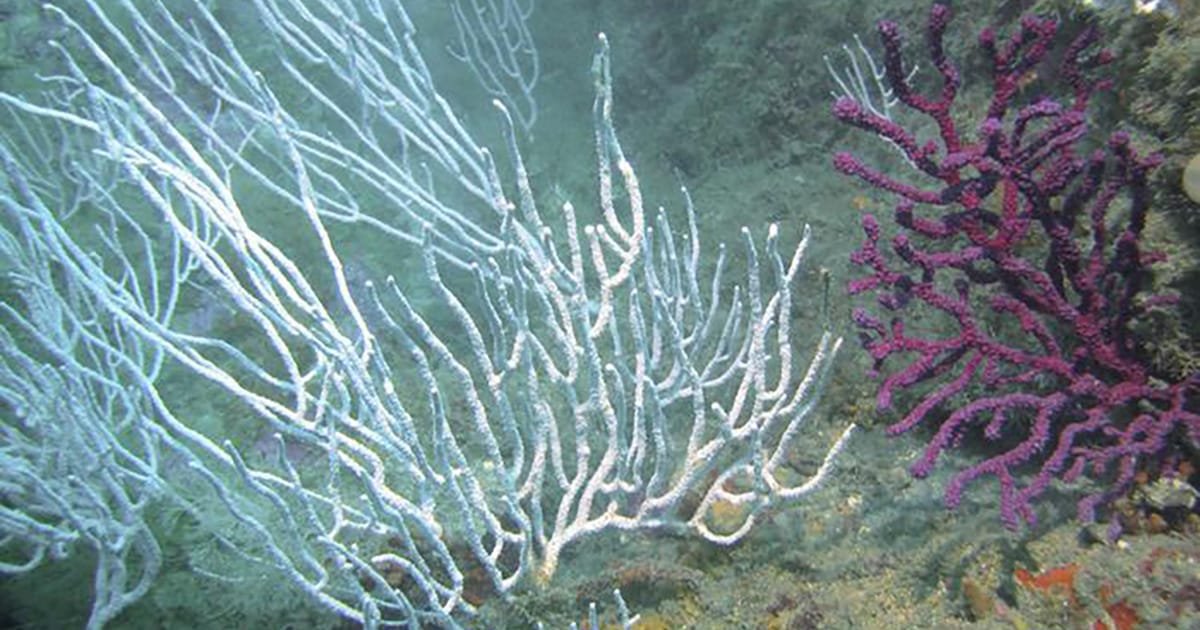
The study analyses, for the first time, the effects of prolonged exposure to microplastics on two representative Mediterranean gorgonian species: the white gorgonian (Eunicella singularis) and the violescent sea-whip (Paramuricea clavata).
Gorgonians are colonial organisms that play a vital role in Mediterranean benthic ecosystems and in the conservation of marine biodiversity. They form three-dimensional structures on rocky seabeds—known as coralligenous animal forests—providing shelter and habitat for many species of fish and invertebrates.
“Any disruption to its physiology could have consequences for many other associated species,” explained expert Odei Garcia-Garin, lead author of the study and a member of the Department of Evolutionary Biology, Ecology and Environmental Sciences at the UB and the IEA-UdG.
“Understanding how habitat-forming species respond to plastic pollution will be essential for assessing the ecological impact of microplastics on a global scale,” experts said.
Microplastics Disrupt Gorgonian Respiration
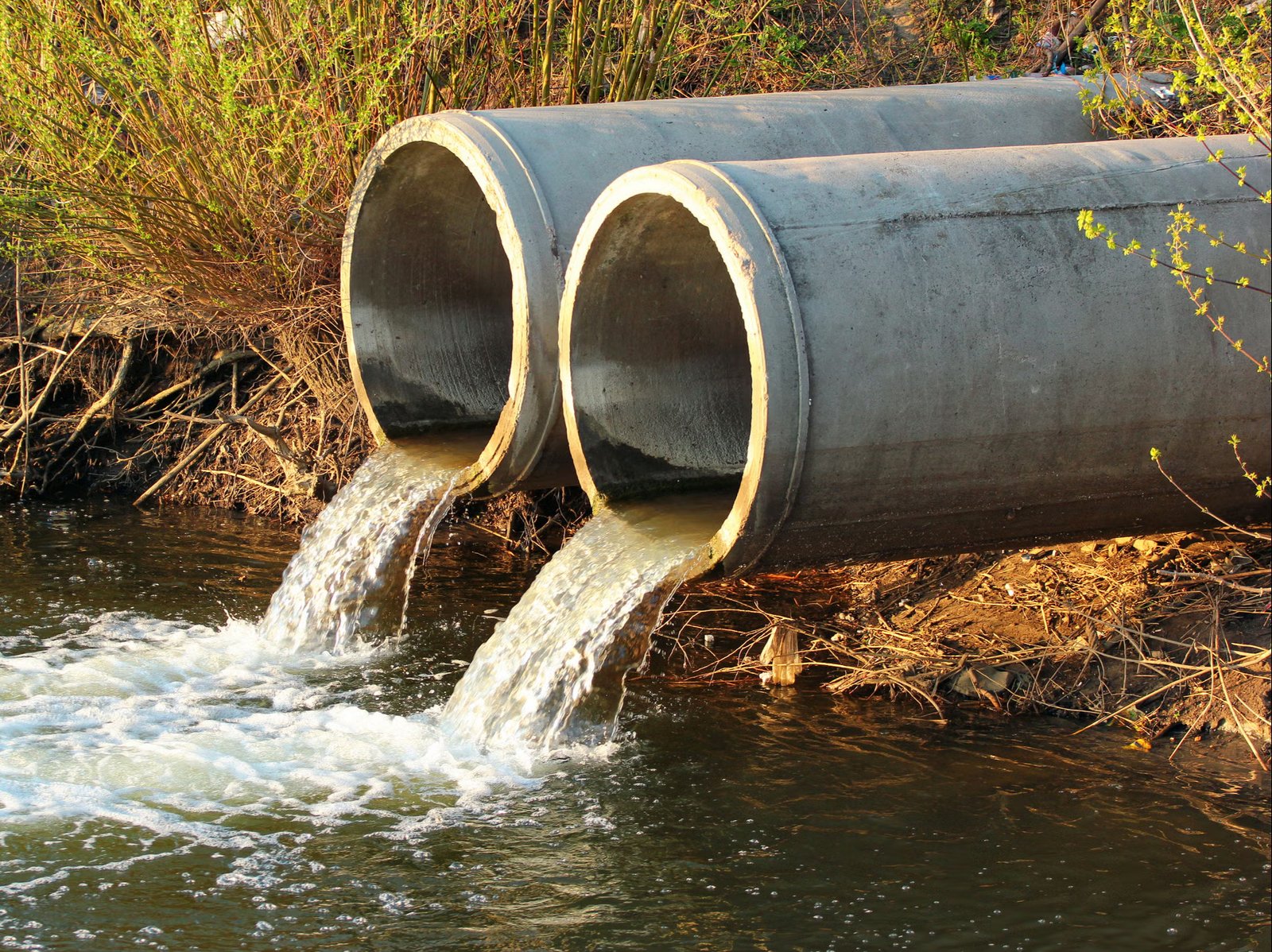
Microplastic pollution—particles smaller than five millimeters—is a global problem affecting virtually all marine ecosystems. These particles originate from the breakdown of plastic waste or from microbeads used in industrial and consumer products, and can remain in the marine environment for decades, during which they are ingested by numerous organisms. The long-term effects of this pollution on the living organisms that form seabed habitats remain uncertain.
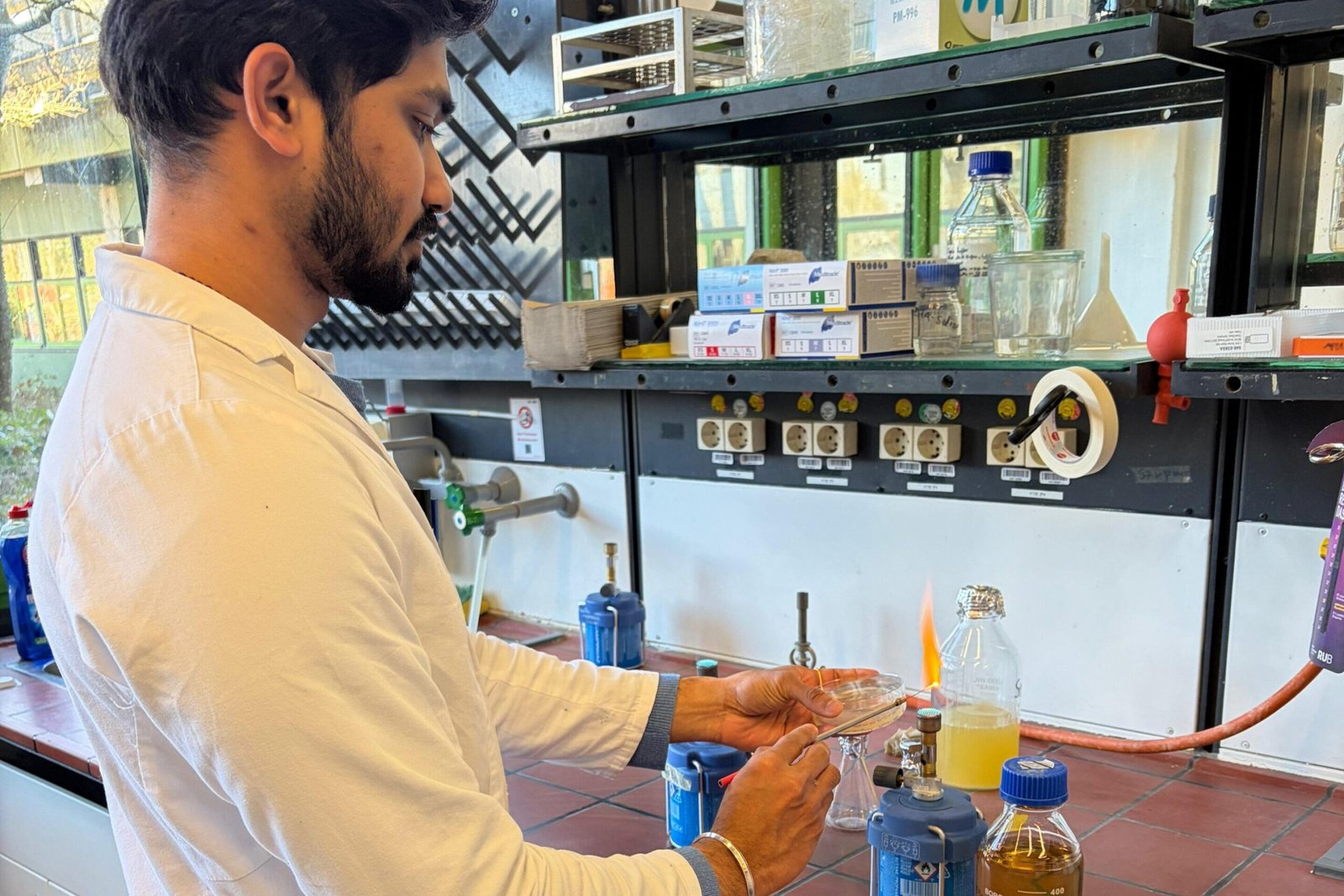
To assess the effects of microplastics, colonies of E. singularis and P. clavata were exposed for three months to a mixture of the most common plastic particles found in the ocean, such as polyethylene terephthalate (PET), polystyrene (PS), and polypropylene (PP). The experiments, carried out using equipment at the UB’s Faculty of Biology, simulated the actual concentrations of microplastics in the Mediterranean.
The team analyzed various physiological indicators in the gorgonians, such as respiration, prey-capture ability, organic matter content, microplastic ingestion, and the condition of biological tissues. The results reveal that prolonged exposure to these pollutants does not cause visible damage to tissues, “but it does alter some key physiological processes such as respiration, that is, the uptake of oxygen from the external environment for cellular metabolism,” said researcher Núria Viladrich (UB-IRBio).
“Respiration rates fell significantly in both species of gorgonian, which suggests a reduction in metabolic activity. This physiological response could indicate an adaptation to stress or energy-saving strategies,” noted Viladrich.
Effects of Microplastic Ingestion on Gorgonians
Gorgonian colonies also ingested microplastics, with PET particles being the most prevalent. “Their ability to capture food and their organic matter content remained stable, suggesting that the colonies were able to balance the energy cost by maintaining their feeding behavior. Differences were also observed between species in the number of particles ingested and the size of those retained,” revealed Garcia-Garin and Viladrich.
Microscopic analysis of the tissues “revealed no structural damage or histological changes in the colonies studied due to microplastic ingestion,” they continued. “This suggests that gorgonians can eliminate ingested particles relatively effectively, preventing the long-term accumulation of pollutants in their tissues.”
However, the changes observed in metabolism indicate that prolonged exposure to microplastics may lead to sublethal effects, potentially reducing the energy yield of gorgonians over time.
“Further studies will be needed to assess whether these energy costs could compromise the resilience and ecological role of Mediterranean gorgonians in future climate scenarios,” the authors concluded.