The European Commission has urged European Union members to start filling gas storage facilities slowly and steadily to avoid exacerbating price pressure caused by the war in the Middle East.
Amid the energy crisis triggered by Russia as it invaded Ukraine in 2022, Brussels put in place a law requiring Europe’s gas storage facilities to be at least 90% full before the onset of winter.
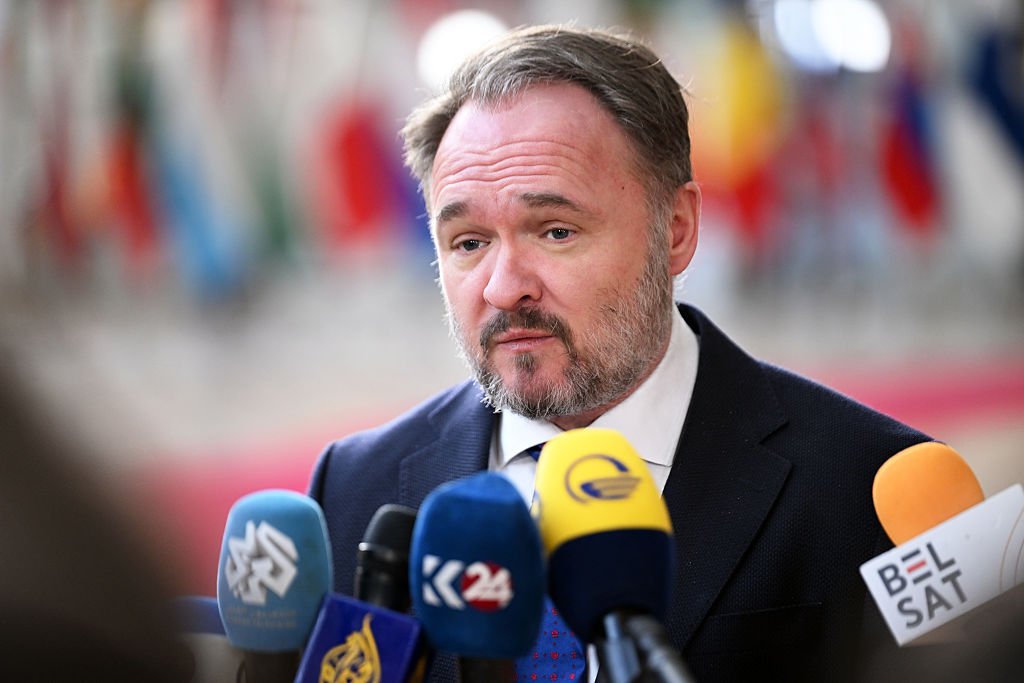
Energy commissioner Dan Jorgensen wrote to EU capitals on Saturday, urging them to start refilling stores early and to do so over a longer period “to mitigate pressure on prices and avoid (an) end-of-summer rush”.
Jørgensen noted that in case of “difficult conditions” and a green light from the EU executive, countries can deviate from the EU’s target by up to 20 percentage points.
The Danish commissioner also called on them to “consider reducing your filling target to 80 percent as early as possible in the filling season to provide certainty and reassurance to market participants”.
Oil prices have soared more than 50 percent since the US and Israel attacked Iran three weeks ago, and natural gas prices in the EU have risen by more than 30 percent.
While Europe is entering its warmer months, this is the period its countries refill their gas storage in preparation for winter. But the EU is in competition with Asia for limited supplies.
“Developments in Iran and the wider region threaten regional and global security,” Jørgensen said in his letter. “When it comes to energy, this situation and the attacks on energy infrastructure are significantly impacting global oil and gas markets.”
He said that the EU’s gas supply “remains relatively protected at this stage” as it gets most of its liquified natural gas from the United States. “But, as a net energy importer on global markets, the resulting high and volatile global prices may also impact the EU gas storage projections.”
The US said on Saturday that it had destroyed an Iranian base threatening shipping through the Strait of Hormuz. Tehran has effectively blockaded the only entrance to the Persian Gulf, reducing global oil supplies by a quarter and shipments of seaborne gas by a fifth.
(rh)