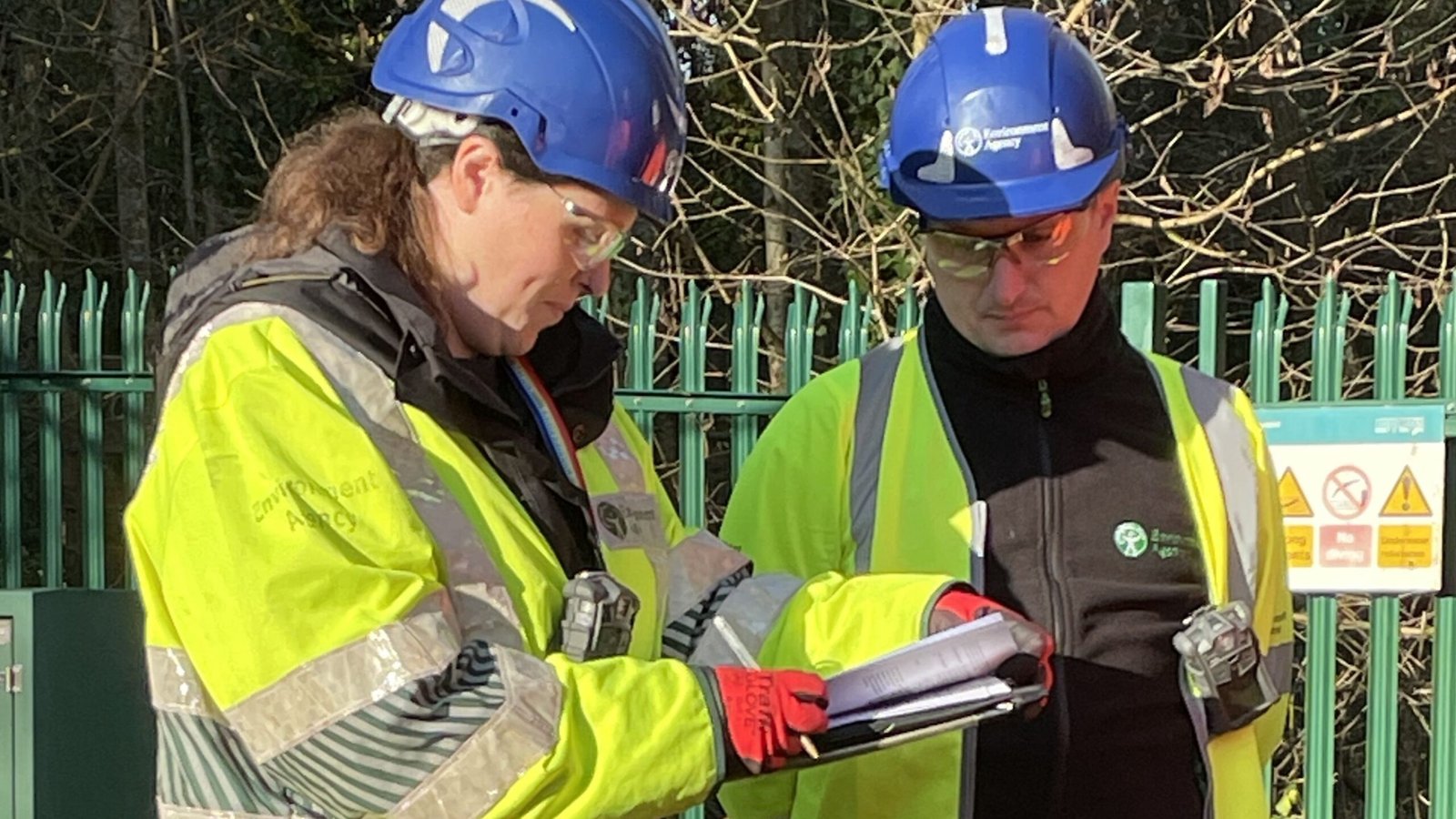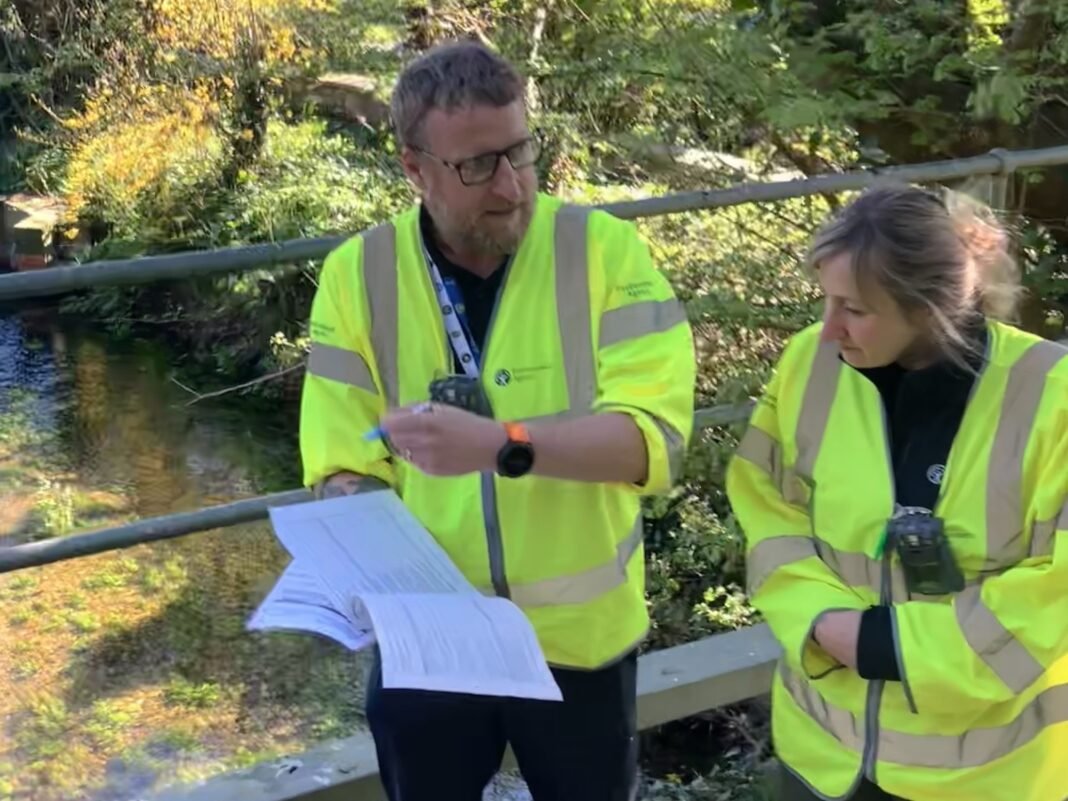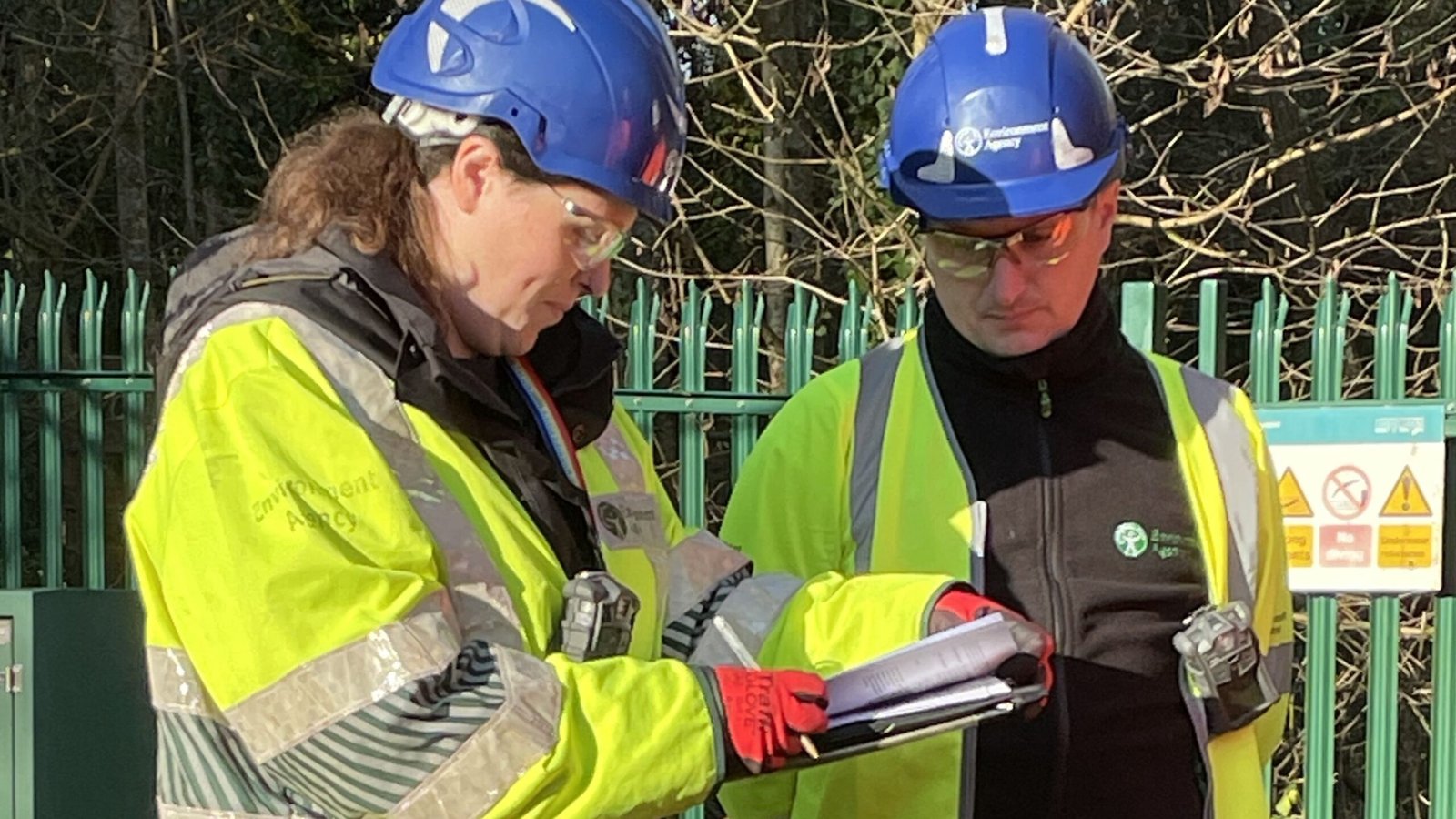
The Environment Agency has undertaken over 730 inspections of Southern the company’s wastewater assets
Poor maintenance and not knowing where their own discharge points should be, were some of the issues found during the past year of intensive Environment Agency inspections of Southern Water.
As the Environment Agency hits its annual target to carry out 10,000 inspections of the water industry, officers in the South reveal a range of issues discovered over 730 checks of Southern Water in 2025-2026.
General maintenance was a significant issue, leading to widespread problems like poorly maintained screens and inadequate management of storm tanks. However, the most common cause of noncompliance was around discharge sample and discharge points. In some cases, these were in inaccessible locations or operators did not know where these points were situated.
Environment Agency inspectors have been checking sites intensively over the past 2 years. The goal of the checks is to prevent pollution by making sure water companies are operating as they should and within their permits. If inspections find they aren’t, then the water company is set strict actions to bring them back into compliance.
The team responsible for inspecting Southern Water assets, like sewage treatment works and storm tanks, increased its number of inspections by 110% from last year.
Southern Water has been told to take more than 400 actions, to comply with Environment Agency permits and any further action being considering. Of the Southern Water sites investigated, 68% were found to be compliant with their permits.
Water industry regulation manager for the Environment Agency, Dawn Theaker, said: “Environment Agency inspectors are working very hard visiting hundreds of sites, each a key part of the drinking water and sewage systems everyone relies upon.
“These health checks find issues Southern Water needs to fix because if things go wrong, the environment suffers. We will keep returning until faults are fixed, and we’ll keep coming back to make sure everything stays that way.”
Environment Agency’s Director for Water, Helen wakeham, said: “In our role as regulators of the water industry, we are changing how we operate – with better data, our largest ever enforcement workforce and greater powers to do our job effectively.
“Inspections are a vital preventative measure, with our teams nationally issuing over 3,000 actions to water companies, including repairing sewage works and upgrading their infrastructure.
“Together, this will drive meaningful improvements in performance, hold persistent offenders to account and ultimately create a cleaner water environment.”
Although many breaches in permit conditions were relatively minor, in terms of potential for pollution to occur, they are indicative of a water company’s approach to managing and maintaining their operations to protect the environment. Even minor breaches in permits must be actioned by water companies to ensure operations are compliant with permit conditions. More serious breaches, where there is found to be a higher potential for pollution, can be referred for further investigation which could lead to prosecution or other enforcement action.
As well as rooting out operating issues, all the data and information gathered is enabling the Environment Agency to build better intelligence on water company operations, and trends in non-compliance, which in-turn will better inform its regulatory approach going forward.
More regulatory staff, increased monitoring of storm overflows, greater powers, and more inspections are part of a suite of measures to improve the water industry’s environmental performance. Investment in new infrastructure is also essential, and the Environment Agency and Natural England have already secured £22.1 billion water industry investment commitments for the next five years to upgrade and improve infrastructure to meet tighter environmental standards.