A new report by the Green Finance Institute makes the case for more coordinated private and public funding to provide more protection from climate change in two counties which are vital for UK energy and food.
Developing Regional Economic Resilience through Nature‑based Solutions: Norfolk and Suffolk was published last month, and looks to provide a blueprint for strategic co-investment from businesses and local authorities. Centred on Norfolk and Suffolk — two counties where water scarcity, pollution and flooding are becoming much more commonplace and disruptive to industries such as agri-food and transport — the content is applicable to other regions.
These areas are vital for economic stability and national supply chains, with 75% of land in some localities used for farming. Meanwhile, the energy sector is also expanding significantly, with major infrastructure such as the Sizewell nuclear power stations, vital transport and logistics routes all running through this corner of the country. However, some growers reported crop yields plunging by 30-40% last year, and restrictions on water use are increasingly tight. Employing nature based solutions to try and stabilise the region is therefore vital for UK-wide security.
In a foreword by Natural Capital East, a collective of organisations in East Anglia including Anglian Water, National Grid, the Environment Agency, EDF, Aviva, National Trust, National Highways, and Tarmac, a more coordinated approach with higher levels of co-investment between public and private sectors is recommended. This should take into consideration regional need alongside national targets and security objectives.
The analysis goes on to highlight how structural barriers remain in place that prevent the level of financing for nature based solutions which is now needed. Many of these exist at a national level, spotlighting the links between Downing Street policy and localised action. Data gaps are lacking, which, if overcome, could help make more robust businesses cases for developments, while the mechanisms for cross-sector investment remain limited. This includes restrictions on some regulated businesses, effectively blocking them from any opportunities to convert. Three specific actions can help:
- Actions to develop business cases, including supporting businesses to identify key data gaps, work through the missing components of their financial calculations in a consistent way, and align on shared resilience metrics to strengthen investment decisions.
- Actions to coordinate regional needs and opportunities, including establishing working groups of businesses in each priority location and appointing a regional coordinator to map needs and opportunities, support co‑investment pipelines, and work with local and regional Council’s to align public and private funding.
- Actions to align regulation and policy with investment needs, including testing barriers for regulated businesses through a regional sandbox, clarifying roles for devolved authorities, and aligning – and where needed identifying additional -incentives and funding schemes to unlock private investment.
‘The climate and nature risks facing businesses in the region are significant and worsening. Without collaborative action bringing partners together to think differently, we’ll see economic and environmental impacts affecting the communities we serve,’ said Robin Price, Director of Environment and Assurance, Anglian Water Services.’ Investing in catchment and nature-based solutions will play a vital role in ensuring our resilience as well as other businesses and communities. I warmly welcome this GFI report which highlights these issues and what we need to address them.’
The GFI report for Natural Capital East highlights how climate change and nature degradation are already causing significant harm to communities and businesses across Suffolk and Norfolk. These are not distant threats — their impacts are being felt now,’ added Dr Stephen Mannings, Head of Ecology at Sizewell C. ‘The case for acting together is compelling. A fragmented approach risks being slower, more costly, and ultimately less effective. Collective action, by contrast, offers the opportunity to deliver solutions at a scale and pace that none of us could achieve alone.’
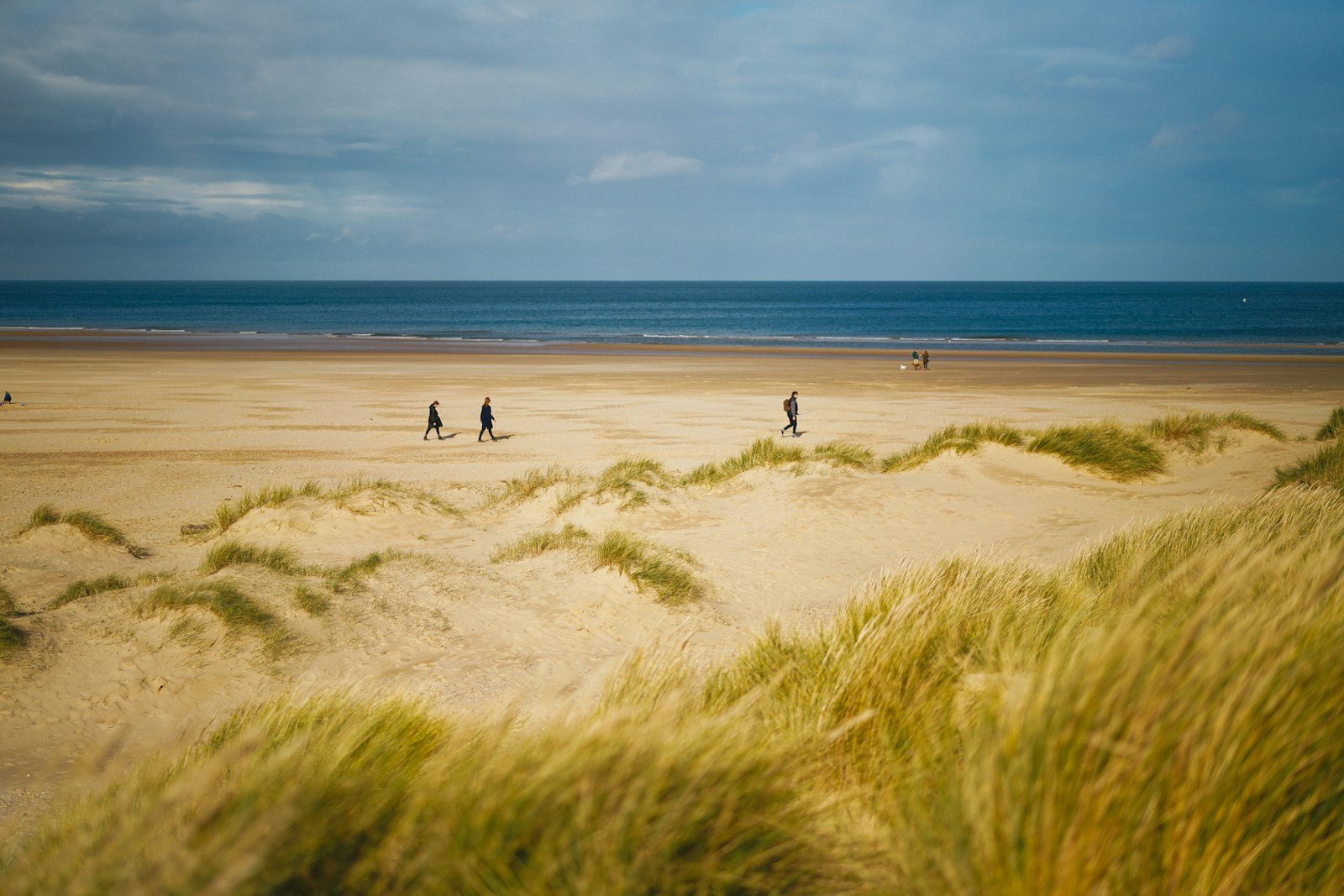
Image: Phil Hearing / Unsplash
More on Biodiversity & Climate Change:
UK transport must deliver for 1-in-3 without car, ending ‘connectivity lottery’
Openreach announces major plans to make van fleet more sustainable
North Yorkshire road and rail most vulnerable to climate flooding