TEMPO.CO, Jakarta – Elevated cholesterol levels, especially low-density lipoprotein (LDL) or “bad” cholesterol, can increase a person’s risk of heart disease and stroke.
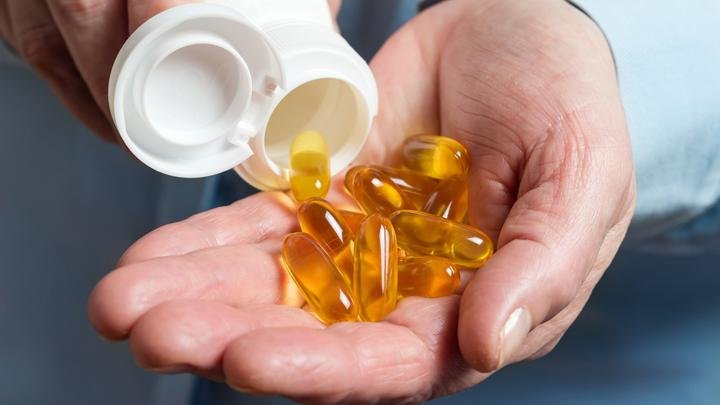
In addition to medications, doctors say there are several dietary supplements that can be consumed to help lower “bad” cholesterol levels in the blood.
As quoted in a Hindustan Times report on Saturday, March 22, 2026, Dr. Kunal Sood outlined several supplements proven to help lower LDL levels in the blood, improve fat metabolism, and support overall heart health.
According to him, consuming dietary supplements such as omega-3 fatty acids, garlic extract, plant sterols, and green tea can help lower “bad” cholesterol levels in the blood.
Omega-3 fatty acids
Omega-3 fatty acids, particularly eicosapentaenoic acid (EPA) and docosahexaenoic acid (DHA), can help lower triglyceride levels by reducing Very Low Density Lipoprotein (VLDL) production in the liver and increasing triglyceride removal from the blood.
“Studies show a 20–30 percent reduction in triglycerides, which helps improve lipid metabolism and cardiovascular risk,” said Dr. Sood, adding that this essential fat supplement also supports overall fat metabolism.
Garlic Extract
Garlic contains allicin, an active compound that can help reduce cholesterol production in the liver. Consuming garlic extract can help lower total and LDL cholesterol levels in the blood, especially in individuals with high cholesterol.
Dr. Sood said that compounds in garlic, such as allicin and S-allyl-cysteine, can inhibit the enzyme HMG-CoA reductase and reduce cholesterol production in the liver.
Green tea
Green tea is rich in catechins, powerful antioxidants that can help reduce cholesterol absorption in the intestine and inhibit its formation in the liver.
“Catechins in green tea, especially EGCG, can reduce cholesterol absorption and inhibit its synthesis in the liver. Study analysis shows a moderate but consistent reduction in LDL and total cholesterol,” said Dr. Sood.
Plant Sterols
Dr. Sood explained that plant sterols have a similar structure to cholesterol, so they can compete for absorption in the intestine.
By “beating” cholesterol in the absorption process, plant sterols help reduce the amount of cholesterol particles entering the bloodstream.
“This reduces the amount of cholesterol entering the circulation and increases its elimination in the feces. Meta-analyses show that an intake of approximately 0.6 to 3.3 grams per day reduces LDL cholesterol by approximately six to twelve percent,” says Dr. Sood.
Read: 5 Cholesterol-Lowering Vegetables That Are Good for Heart Health
Click here to get the latest news updates from Tempo on Google News