AN INTERIM order by the Supreme Court of India staying the exhumation of tribal Christians’ bodies in Chhattisgarh has brought national attention to a fraught question: whether religious minorities in rural India can bury their dead with dignity in their own villages.
The case, which follows earlier proceedings before the Chhattisgarh High Court, centres on allegations that local authorities and village councils compelled Christian families to relocate graves to designated burial grounds 25-30km away. Petitioners argue that such actions violate constitutional guarantees of equality, religious freedom, and the right to live — and die — with dignity.
“For us, burial is not just ritual; it is belonging,” said Mariam Korram, a tribal Christian from Bastar district whose family member’s grave is at the heart of the dispute. “Our ancestors lived on this land. Now we are told even in death we cannot remain here.”
Local officials have denied wrongdoing, saying that designated burial sites are meant to avoid communal tensions. “The administration must maintain harmony,” a district officer said on condition of anonymity. “We are trying to balance competing sentiments within villages.”
Yet, lawyers representing the petitioners contend that the restrictions disproportionately affect tribal Christians (News, 20 November 2025). Advocate Ritesh Ekka, who has followed similar cases, said that village-level decisions were being justified through selective readings of court rulings. “Customary practices of tribal communities have long accommodated diverse faiths,” he said. “What we are seeing now is a narrowing of space, where burial becomes a marker of exclusion.”
In several parts of central India, burial grounds have emerged as flashpoints in communally sensitive regions. Questions of land ownership, conversion, and political identity often converge in disputes over final rites. Rights groups say that compelling families to transport bodies long distances imposes financial strain and emotional distress.
“It is traumatic,” Pastor Daniel Netam, who ministers in rural congregations, said. “Grieving families are forced to negotiate with village councils at their most vulnerable moment. Dignity in death should not depend on majority approval.”
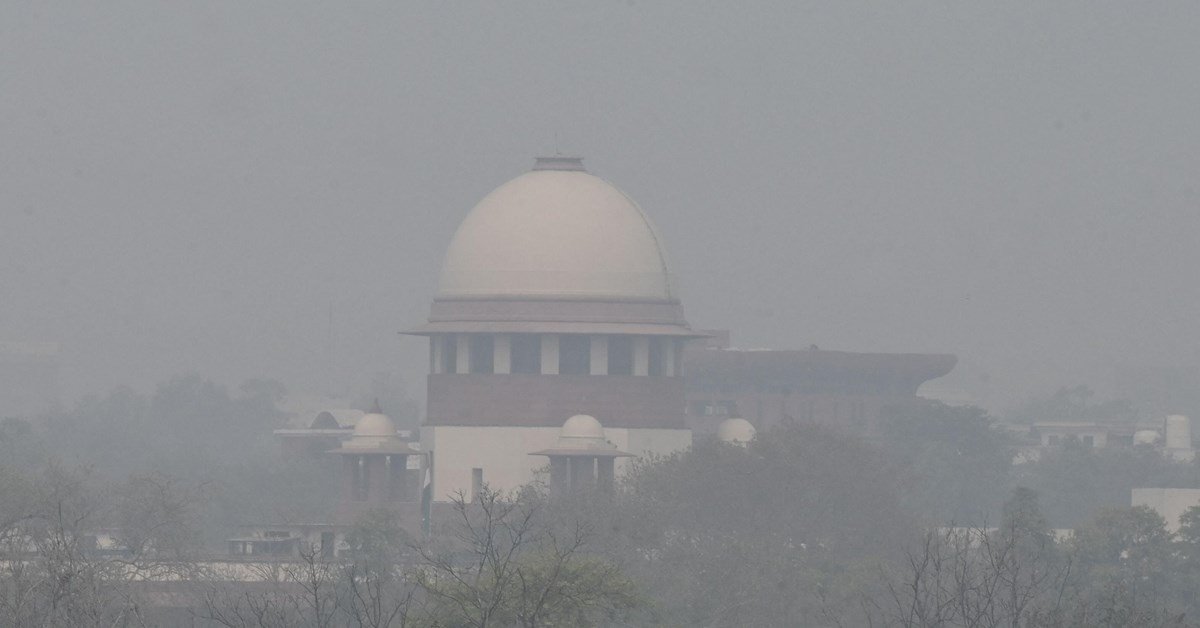
The Supreme Court’s interim stay has halted further exhumations pending a fuller hearing and has offered temporary relief to affected families. Constitutional scholars say that the case could clarify how fundamental rights apply in village governance structures, particularly in Scheduled Areas where customary and statutory laws intersect.
“The Constitution does not stop at the village boundary,” Professor Asha Menon, a legal academic, said. “If burial rights are curtailed on religious grounds, courts will have to examine whether that undermines secular principles.”
For tribal Christian families in Chhattisgarh, the legal battle is about more than land. “We are not asking for special treatment,” Ms Korram said. “We are asking to rest where we have always belonged.”