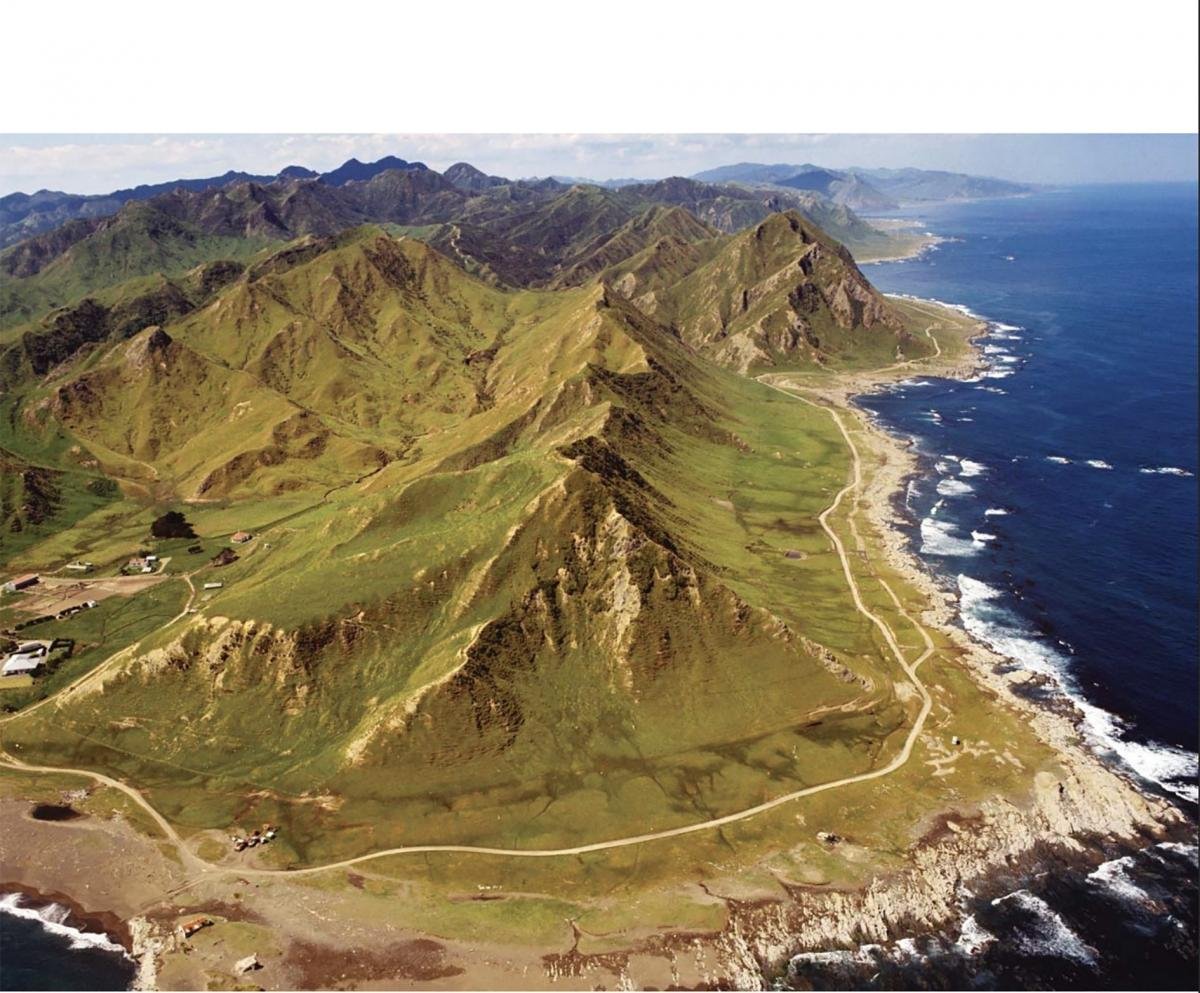
Between 1969 and 1972, the Anthropology Department was engaged in fieldwork along the Wairarapa coast. Led by Foss and Helen Leach, we excavated the stone-walled gardens that held improved soil for the cultivation of kumara. Those fields were built in the 13th century, and were abandoned when the climate became too cold between 1450 and 1600. The earliest evidence for kumara cultivation comes from Triangle Flat in Tasman, dated from about 1290. What is remarkable about the presence of the kumara here, is that it had to come, ultimately, from South America, and that tells us a great deal about the mastery of Polynesian navigation.
A fascinating new study has this week been published in the prestigious journal Nature Communications. The lead author from Otago, Rebecca Kynaston and her team, have worked with the Waka Kotahi Tangata Whenua Working Group to analyse the isotopes in the teeth of seven ancestors who lived near Kirikiriroa Hamilton between 1700 and 1780 CE. They have found their diet was based very much on kumara and taro and yams, with very little evidence for meat or fish. This conclusion has been supported by the patterns of tooth wear and decay that further sustain evidence for a mainly plant-based diet. Another important finding relates to mobility, for isotopes also can pinpoint where a given person came from if they moved from their birthplace. Two children in the group of seven were locally born, and were weaned on to their local diet when two or three years of age.