Islands are more than just ecological laboratories; they are socio-cultural hubs that host over a quarter of the world’s human languages. To be effective, conservation must shift toward a “place-based” approach that respects the unique, inseparable bond between insular communities and the environments they steward.
—
In ecology, islands have long been considered as perfect natural laboratories due to their distinctive features. Among them: their geographical isolation, their replicability, and, most interestingly, their disproportionate level of biodiversity. Indeed, whilst representing only 5.3% of Earth’s land area, islands host around 20% of its terrestrial species.
But beyond their ecological features, islands are also socio-cultural laboratories, hosting 27% of human languages and a huge diversity of culture and practices.
Human-Nature Interactions
When thinking about islands, a new sociological understanding of human and nature takes shape. This human-nature relationship is rooted in what we call place, as opposed to space. In spatial design, the term “place” differs from the objective geographical boundaries understood as space. The distinction highlights an important feature of our humanness: through our interaction with an environment, we create meaning and we shape the metaphysical interpretation of that physical space.
Understanding how a natural environment is shaped by its socio-cultural context is at the heart of place-based conservation practices. Place-based conservation is about adapting nature conservation practices to the local social, cultural and economic context. It is about understanding local communities’ connections to the land, their livelihoods, economic constraints, cultural practices as well as the history of humans shaping that land. Failing to do so would render conservation efforts unsuccessful.
Communities are indeed less likely to engage with the practices imposed, if these go against centuries-old traditions or economic practices. Centering conservation practices around local communities is not only important for conservation success but also serves as a reminder that protecting nature can be inherently a socio-cultural practice, working with our humanness rather than against it.
Growing research on the practices of conservation supports a shift away from the ecology-centred approach to conservation success monitoring. Emphasis should be given to how conservation efforts impact society, as well as nature.
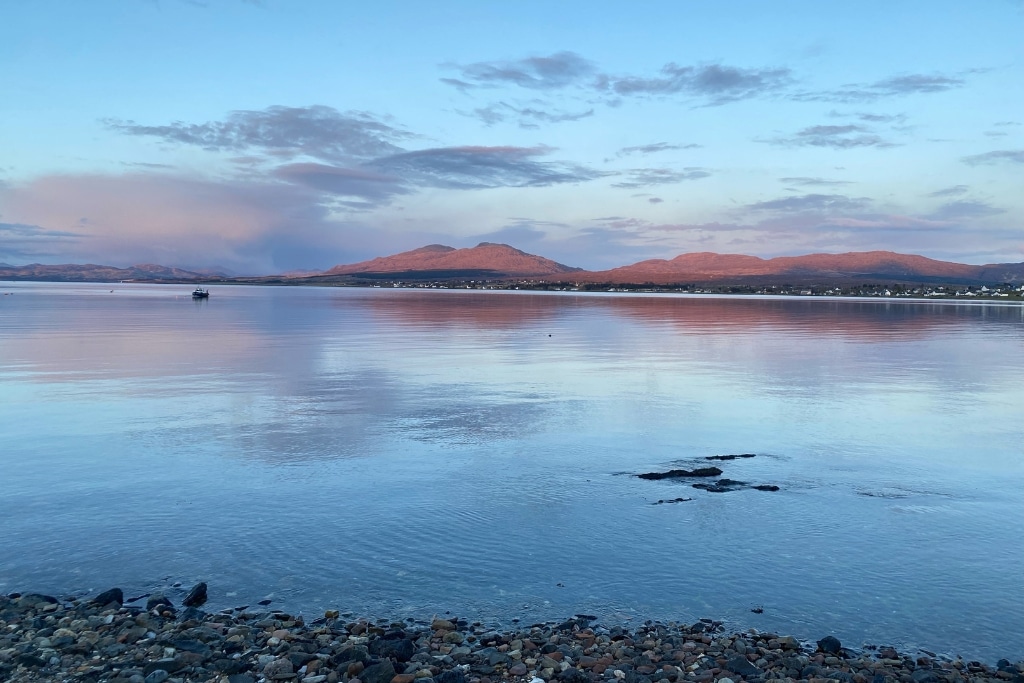
Guillemette Gandon.
Islandness: Distinct Socio-Cultural Features for a Distinct Geophysical Environment
The remoteness of islands and their need for self-sufficiency creates a place of strong insular identity, a sense of belonging to the geophysical spaces of its inhabitants. Linked to that sense of territorial belonging, islanders have also shown in different instances a strong will for political independence or self-governance.
Living on islands impacts people’s wellbeing, for better or for worse. Positively, people usually experience a sense of solidarity and security. However, the feeling of isolation is often commonly shared by islanders. Such isolation often pushes younger generations to move away from islands. Islands also tend to suffer from economic difficulties, notably due to their small size and their distance to the mainland.
Altogether, these are the socio-cultural features that conservationists should explore when designing nature conservation interventions on islands.
Studies have shown that insular communities are often more connected to the natural resources that surround them, first and foremost due to the strong dependence of the small natural resources owned by islanders. Local practices often involve the small-scale exploitation of natural resources for economic purposes, such as fishing or agriculture.These activities take place within a broader context in which nature is overwhelmingly present, from significant weather patterns to the strong presence of the sea.
The attempt to define islandness can lead to huge generalizations. Research tends to reveal common experiences observed from islanders’ communities around the world. But each island has their own and unique socio-cultural experience as well as their own economic and political history, requiring conservation approaches that are embedded in the understanding of every unique local context.
Beyond Green Grabbing: Why Islanders Must Lead Conservation
The strong sense of identity experienced by insular communities suggest that they should be the sole governors of their nature conservation practices. Sadly, it is often the case that large corporations and governments impose their conservation projects on these territories due to their rich biodiversity and their strategic importance for conservation efforts. Yet such a dynamic resembles green grabbing, a form of colonialism hidden behind nature conservation practices.
Green grabbing refers to the appropriation of land and resources for environmental ends. With land ownership comes rights, control, and power. Often, when land is bought from the poorest, power is also taken from them.
Green grabbing practices are rooted in the urge of wealthy states to offset their negative environmental impact and justify unsustainable practices, by acting as “saviours” in countries where nature is still relatively intact. The biggest risk with such delocalized practices is the exclusion and even further marginalization of communities for the sake of biological conservation, as well as the loss of centuries-old practices due to imposed environmental management.
Only islanders know their island better. Financial streams towards island conservation should thus be directed towards local organizations and implemented through co-management and participatory practices. Practices should involve communities from the beginning, designed through democratic decision-making and giving islanders ownership of the conservation project.
This becomes even more urgent as climate change increases islands’ vulnerabilities. Ecologically, their isolation means they hold a great potential for species loss, coupled with a higher susceptibility to invasive species. Socially, communities are also facing rising sea levels and more frequent and intense extreme climate events.
The Case of the Isle of Barra
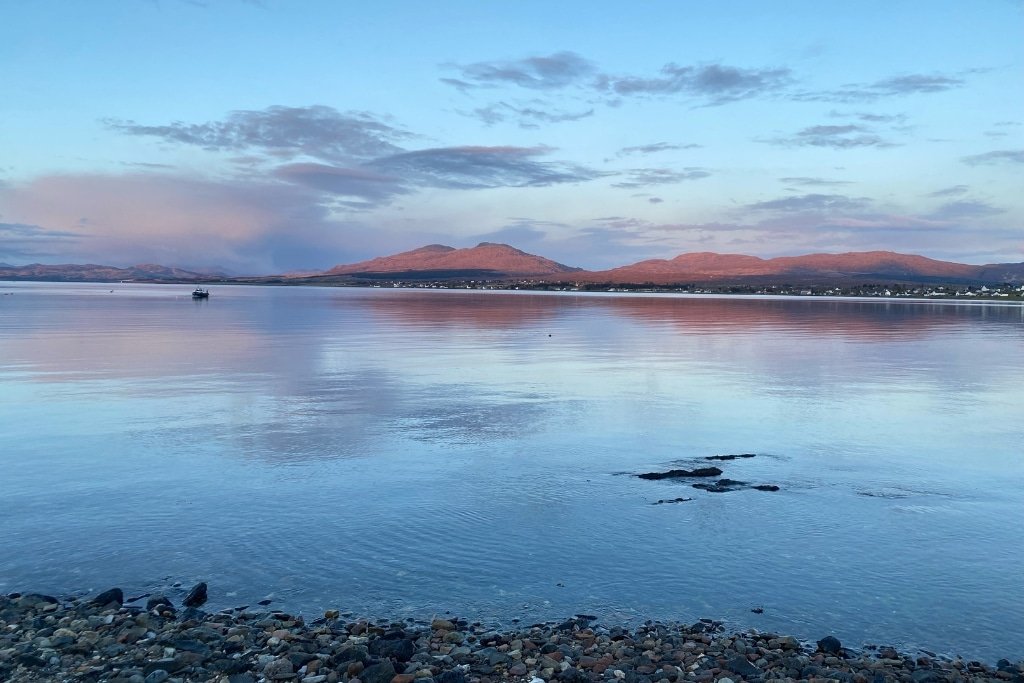
To understand why place-based conservation is a necessary practice, we can look at the unsuccessful conservation practice on the Scottish Isle of Barra, located in the Outer Hebrides. In 2009, the island was selected as a candidate for the designation of Special Area of Conservation under the European Union’s Habitats Directive. The proposal was highly contested, and local communities opposed it for more than 13 years, perceiving it as an imposition by external authorities.
To understand the negative reception of environmental management practices, we need to understand the history of land-based conservation conflict in the area. In the example of Barra, the protected area was designated by external governmental and conservation authorities, often without local consultation. These designations restricted key land‑use activities essential to crofters’ livelihoods, thereby placing crofting communities in a precarious economic position. This legacy of imposed conservation decisions remains deeply embedded in local memory
Putting communities’ livelihoods at risk should not be justified, even in the name of biological conservation. The designations of protected areas should only be implemented when developed in collaboration with local communities to identify alternative practices for economic income. The instance of crofting communities here is crucial.
Final Thoughts
Working with local communities not only promotes their own social and economic wellbeing but it also benefits nature. Indeed, it is argued that community land ownership movements often lead to more sustainable stewardship and better land management. By being stewards of their own lands, communities are more likely to respect and sustainably manage natural resources, benefit both nature, and people.
Islands are fascinating places. Exploring the impact of our physical environment to our own humanness is a powerful tool to understand how nature is part of our culture, rather than separate from it. Place-based conservation is not only a management practice but a holistic anthropological and ecological understanding of how nature and society coexist.
Featured image: Guillemette Gandon.

One-time
Show your support.
A one-time donation is a powerful way to show your appreciation for our work and commitment to protecting the planet. Every contribution helps us continue raising awareness and inspiring change.
Monthly
Make a lasting impact.
Monthly donations sustain and expand our efforts. By becoming a recurring supporter, you help us grow our website, reach more people, and amplify our mission for a better planet.