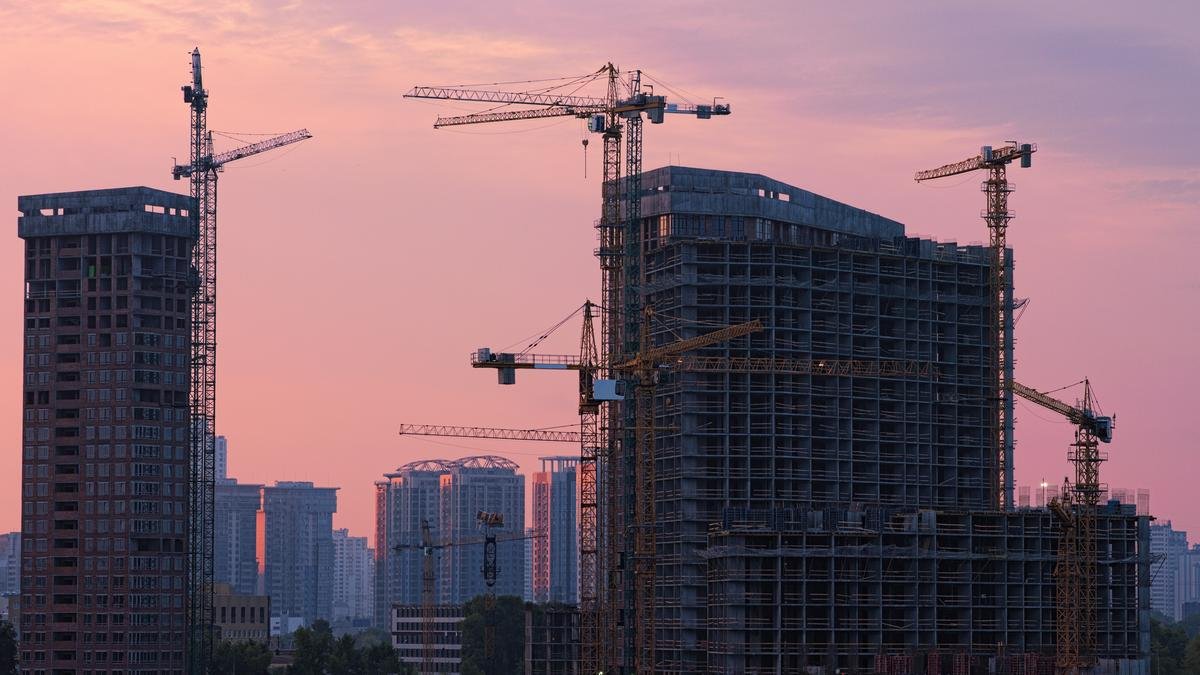
India’s urban transition is entering a decisive decade. In 2025, around 36% of the country’s population was estimated to be living in cities, and the United Nations Department of Economic and Social Affairs (UN DESA) projects that this proportion will approach 50% by 2050. Urbanisation on this scale is fundamentally reshaping how cities grow, how buildings are designed, and how people move within them.
For decades, urban mobility focused on shrinking distances across cities, with roads, metro lines, and transit corridors, for example. Now, as Indian cities become denser, and land is at a premium, vertical mobility is the key dynamic. How people move within buildings and through urban infrastructure is equally important.
New infrastructure
Cities such as Mumbai, where land scarcity has long constrained horizontal growth, are witnessing large-scale redevelopment of ageing housing societies into clusters of high-rise towers. Similar trends are now emerging across Delhi, Bengaluru, Gurugram and Hyderabad as urban land values rise and demand for housing and commercial space continues to grow. Vertical development allows cities to accommodate more residents and businesses within the land available, but it also introduces new planning challenges. A high-rise building cluster, housing hundreds or thousands of families or employees, functions like a micro-city.
In this context, vertical mobility systems, elevators, escalators and smart movement technologies are the core infrastructure that determine whether dense urban development can function safely, reliably and efficiently.
After all, by 2050, one in five people in India will be over 60, according to the United Nations Population Fund (UNFPA) India report, which means changing the way we think not only about designing new infrastructure but also about the longevity and modernisation needs of existing equipment is essential.
As buildings become taller and more densely occupied, reliability is critical. Advances in technology are enabling a more proactive approach to managing these systems. Modern elevators can incorporate sensors that monitor operational patterns, component wear, and usage cycles. The data generated through these systems allows service providers to detect potential issues often before they could lead to disruptions.
From a developer’s perspective, investing in intelligent mobility systems is about the long-term performance of an asset. Buildings that maintain reliable mobility infrastructure tend to deliver better operational outcomes, stronger user satisfaction, and greater long-term value.
As buildings rise higher than ever and urban populations continue to grow, infrastructure planning must adapt to support this new dimension of urban living. Recognising the role of vertical mobility and planning for it early will be key to building cities that sustain the economic activity and opportunities that continue to draw people to them.
The writer is president of Otis India.
Published – March 20, 2026 03:32 pm IST