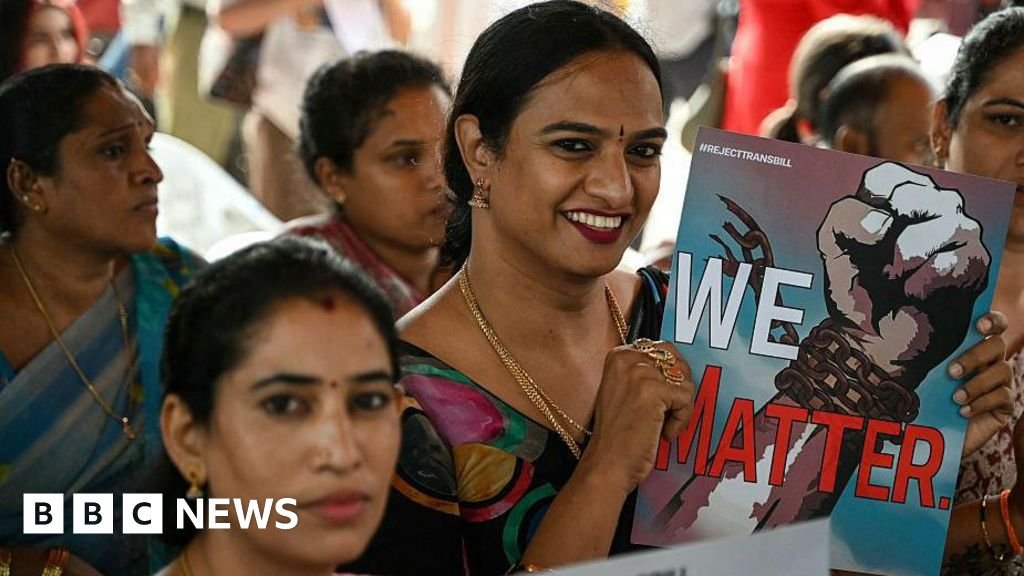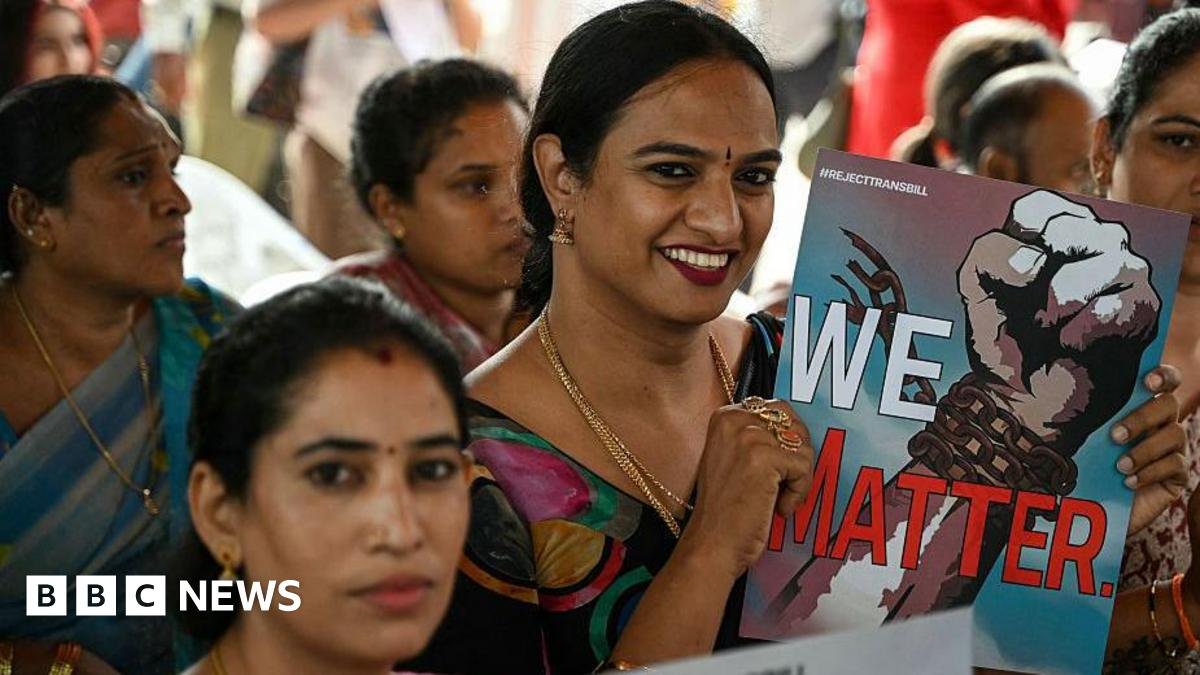
Activists say the new bill moves away from the self-identification principle of the 2014 court ruling and could reshape how transgender people are legally recognised.
Critics further argue that the new definition could exclude many transgender people, particularly those who rely on self-identification, including some trans men and women as well as non-binary and gender-fluid people.
They also say that mandatory medical certification undermines dignity and autonomy.
“It has shattered our identity,” transgender rights activist Laxmi Narayan Tripathi told reporters.
Activist Grace Banu told a press conference in Delhi that the community was seeking “recognition without invasion” and “rights without humiliation”.
“This is not protection, but violation,” Banu said.
The removal of “the factor of self-determination” in the bill is an “attack on the privacy and dignity of the individual”, lawyer N Kavitha Rameshwar wrote, external in The Times of India newspaper.
A Supreme Court-appointed advisory panel has asked the government to withdraw the bill, saying the removal of self-identification goes against the 2014 ruling of the top court. The panel also called for wider consultation, warning the changes could be a setback to efforts to protect transgender rights.
Over the past two weeks, members of the LGBTQ community have held protests across India against the proposed changes.
Opposition politicians have also criticised the bill and called it “draconian”.
Congress party leader Rahul Gandhi called it a “brazen attack” on transgender rights, while Supriya Sule of the Nationalist Congress Party (Sharadchandra Pawar) questioned why it was introduced in what she called a “hasty manner”.
Follow BBC News India on Instagram, external, YouTube,, external X, external and Facebook, external.