Vale of White Horse District Council has published its first biodiversity report, which features the largest surviving alkaline fen in central England at Cothill and a growing population of water voles along the River Ock.
The report outlines the council’s work to protect and enhance nature across the district.
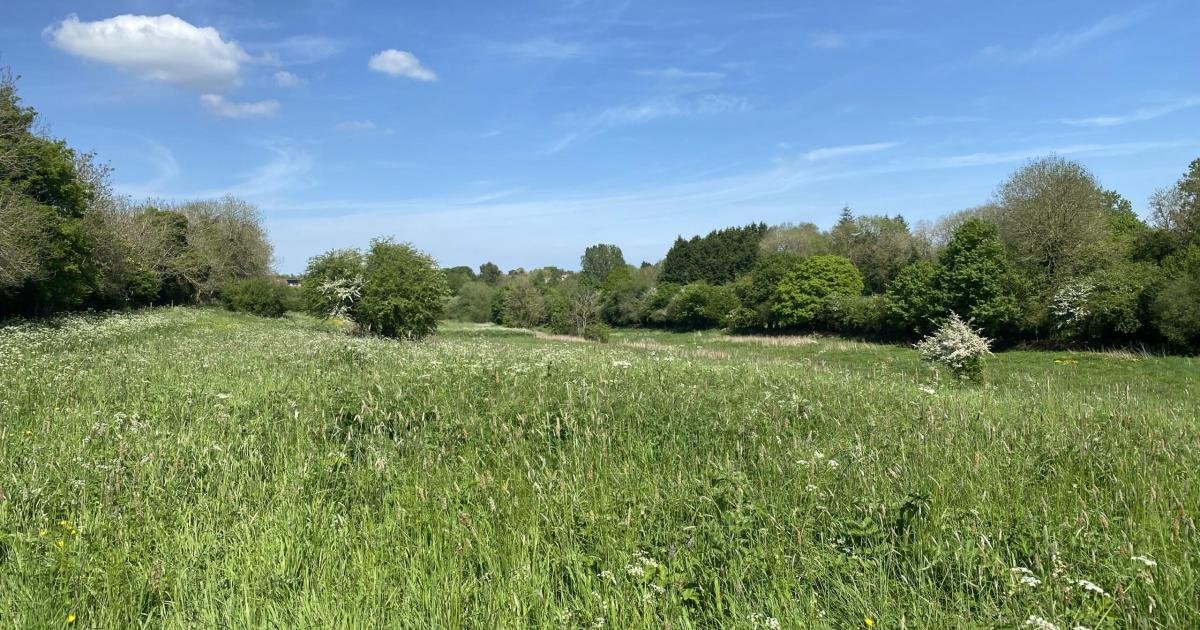
Dr Robert Clegg, cabinet member for environmental services, climate action and nature recovery at Vale of White Horse District Council, said: “The Vale is well known for chalk grassland, chalk streams, farmland birds and veteran trees, but its nature is under pressure from development, climate change and habitat fragmentation.
“The council is making nature conservation a key priority in its plans and policies and is working with local communities and groups towards this common aim.”
In line with the Environment Act 2021, all local authorities were instructed to consider their ‘biodiversity duty’—the steps they have taken, and plan to take, to protect nature over a five-year period.
This new report is the Vale’s response to that requirement.
Dr Clegg said: “I am delighted to endorse this new report on the district’s natural assets and what the council is doing to enhance them.
“One of the many ways we do this is through the Climate Action Fund for projects tackling climate action and nature recovery.”
Since the fund’s launch in 2022, more than £390,000 has been awarded to projects including a floodplain meadow in Cumnor, a wetland in Sunningwell and a wood in Blewbury.
This year’s Climate Action Fund opens on May 5.
The council is eager to see new project proposals come forward.
The report highlights areas of national and international importance, such as two Special Areas of Conservation—Hackpen Hill and Cothill Fen—22 Sites of Special Scientific Interest and a National Nature Reserve at Cothill.
The Vale’s calcareous fens are the largest remaining group outside East Anglia and North Wales.
The council also supports nature recovery on its own land, with sites managed by partners such as Earth Trust and Abingdon Naturalist Society.
Its planning team, which includes ecologists, has pioneered ‘Biodiversity Net Gain’, which is when the development of land will lead to losses of biodiversity, developers can pay to create habitat of equal or greater value to wildlife.
Between 2013 and 2021, more than £1.7 million was raised for off-site biodiversity improvements.
The full biodiversity report is available on the council’s website.