Three South West-based waste companies have had to pay out large sums of money for environmental projects after failing to comply with their legal obligations.
The Environment Agency investigated Winfield Transport Limited, Ranjit Farming and Gwella Contracting Services Ltd over a failure to comply with waste regulations.
The companies have agreed to invest in local projects in a sanction known as an enforcement undertaking. An enforcement undertaking can be used as an alternative to a prosecution and allows money to go directly to good causes.
In this case, three environmental organisations will benefit from offers which together amount to £28,500.
In agreeing to the sanctions, all three waste companies have put in place robust measures to ensure full compliance with regulations in the future.
Tim de Winton, Area Environment Manager, said:
Waste regulations are in place to protect people and the environment, and it is essential that all companies follow the rules.
Improperly handled waste undermines legitimate businesses, poses a threat to the environment and harms local communities.
Our enforcement action shows we are determined to ensure compliance with permits and waste legislation. And these sanctions enable meaningful investment in the environment.
Case one: Winfield Transport Limited

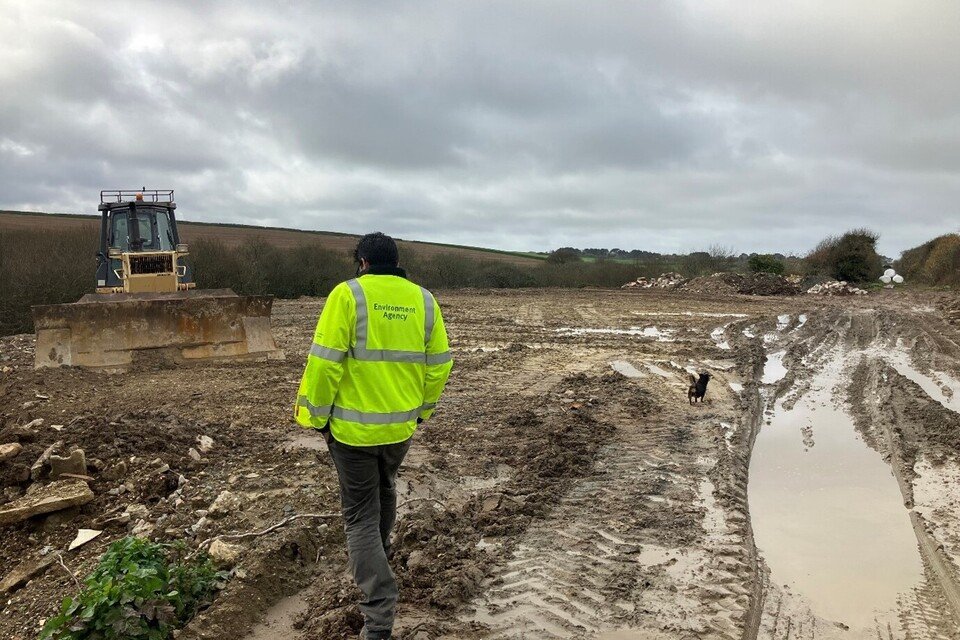
Winfield Transport Limited deposited waste at a site in Cornwall which was operating illegally
Winfield Transport Limited deposited waste at a site in Cornwall which was operating illegally.
The landowner of the site was prosecuted last year after he ignored multiple warnings and formal notices.
Over 10,000 tonnes of household, demolition and hazardous waste, including asbestos, was found at the premises.
Winfield Transport was a haulage company and was responsible for deposits of waste soils and stones between July 2022 and February 2023.
By depositing waste at the illegal site, the company avoided an estimated £8,100 in waste disposal costs.
Businesses that handle waste have a legal Waste Duty of Care. This means that businesses are responsible for knowing where they are sending their waste and taking steps to ensure that their waste is handled by legal sites.
Winfield Transport agreed to pay £14,000 to The Woodland Trust and the Westcountry Rivers Trust.
As part of the agreement, the company reviewed its procedures and provided refresher training to staff.
Case two: Ranjit Farming
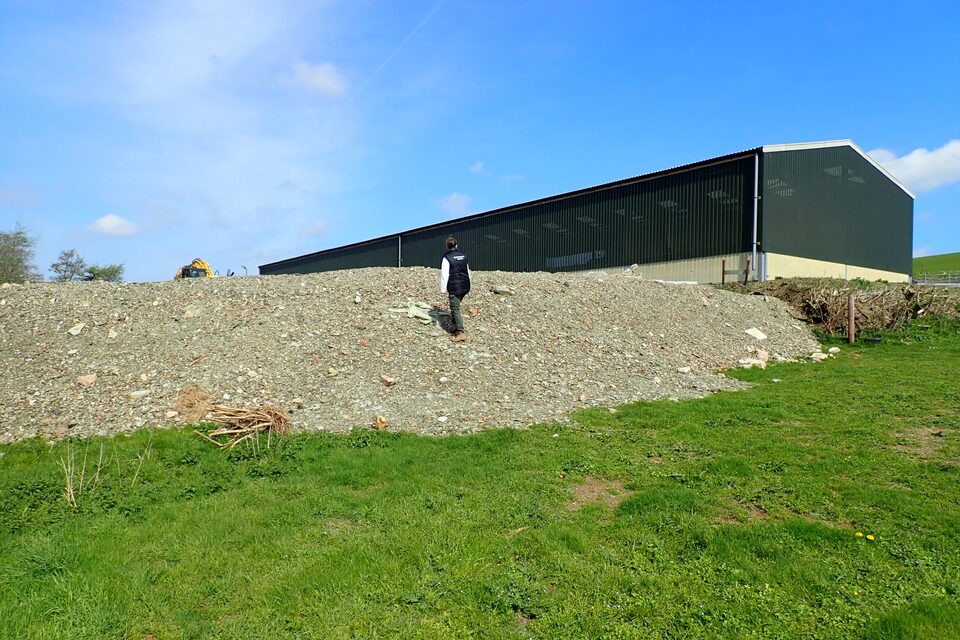
Ranjit Farming was investigated after receiving 2,700 tonnes of shillet at their farm
Ranjit Farming was investigated after receiving 2,700 tonnes of shillet (a type of rock) at their farm near Newton Abbot between November 2022 and February 2023.
While the farm had the necessary permission to re-use the shillet, it failed to comply with tonnage limits with these permissions.
A permit is required for deposits of waste materials such as shillet to ensure the material is re-used for an appropriate way and in a way which doesn’t impact the wider environment.
The company agreed to pay £6,000 to Devon Wildlife Trust.
Ranjit Farming has put in place enhanced record keeping to keep track of how much material has been delivered and when.
Case three: Gwella Contracting Services Ltd
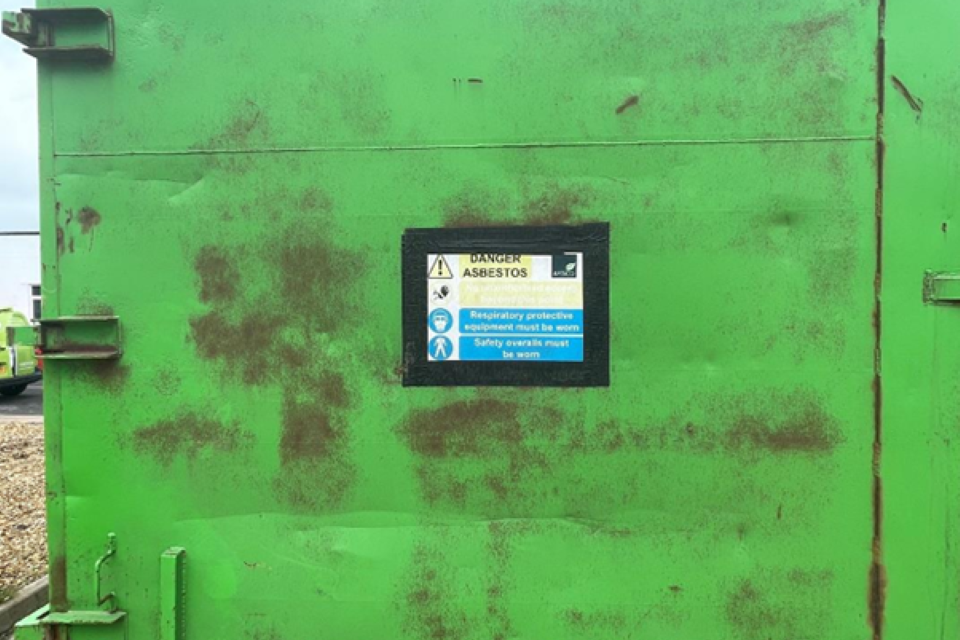
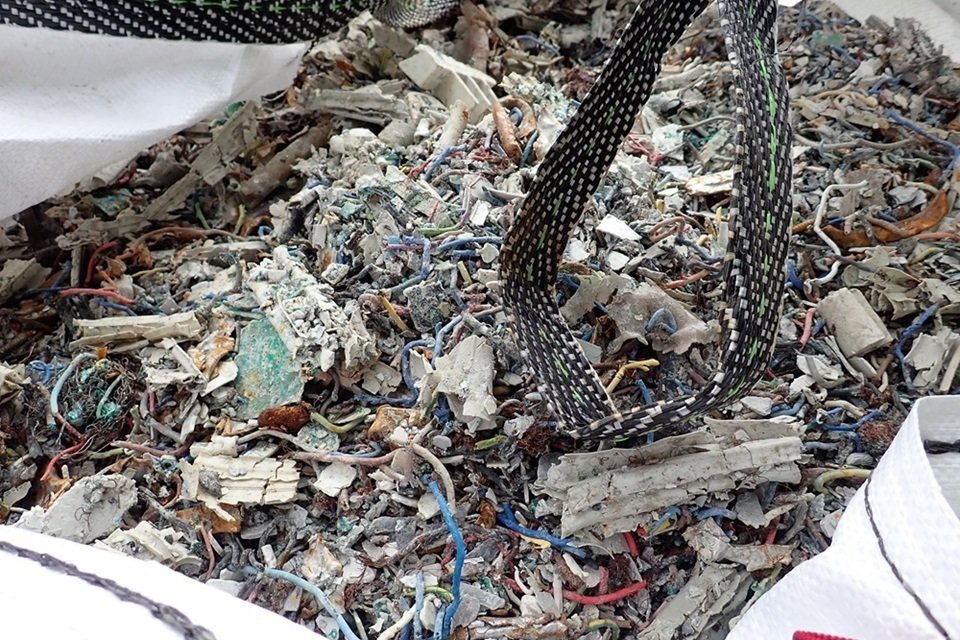
Asbestos is a carefully controlled waste material because of the risk to human health
Gwella Contracting Services Ltd stored asbestos waste at their Exeter and Bristol branches in 2024 without holding a permit for these sites.
Asbestos is a carefully controlled waste material because of the risk to human health.
The Woodland Trust will receive £8,500 from Gwella Contracting.
The company agreed to carry out a full audit of waste policy and operations, and provide environmental awareness training in company inductions.
Background
What is an enforcement undertaking (EU)?
An EU is available to the Environment Agency as an alternative sanction to prosecution or monetary penalty for dealing with certain environmental offences.
It is a legally-binding voluntary agreement proposed by a business (or an individual) when the EA has reasonable grounds to suspect that an environmental offence has occurred.
EUs for environmental offences were introduced under the Environmental Civil Sanctions (England) Order 2010 and the Environmental Civil Sanctions (Miscellaneous Amendments) (England) Regulations 2010.