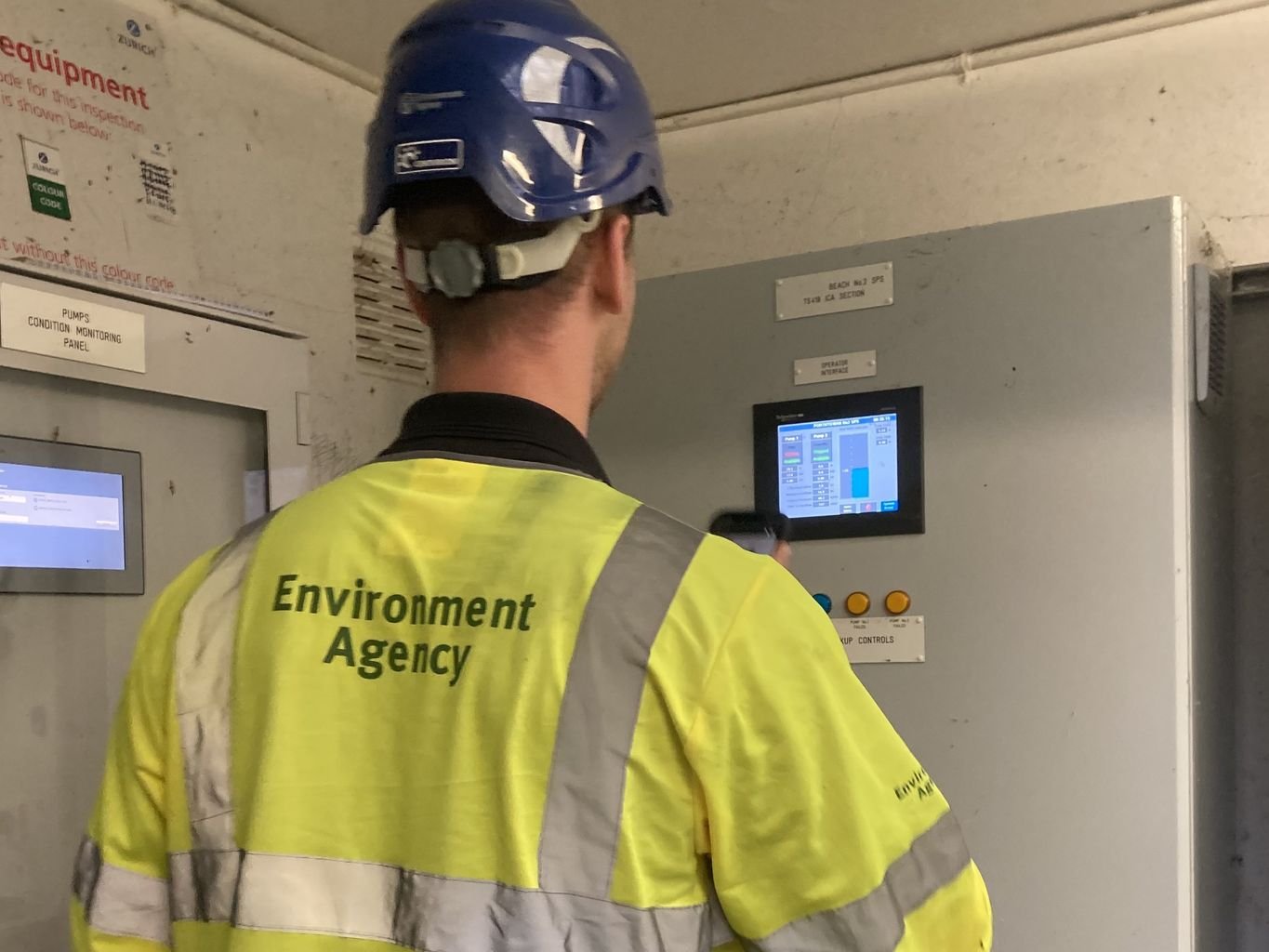
An interdisciplinary group of researchers in the south central United States is visiting existing strawberry growing operations to evaluate a pathway to greater production quantity and quality using controlled environment growing methods
Introduction
Strawberries rank among the most popular fresh fruits within the US, and consumers expect fresh strawberries year-round. Strawberries are enjoyed for their taste, convenience, and nutritional benefits.(1) US strawberry consumption (2024) was approximately 1.24 billion kg (3.6 kg per capita). High demand has driven an open field production and distribution model which relies on seasonal rotation between Mexico, California, and Florida. The model ensures strawberry availability, but it requires long distance transport, and high labor, water, and agrochemical inputs.(1)
Controlled environment agriculture (CEA), including high/low tunnels and greenhouses, offers a promising alternative for producing local strawberries. CEA integrates horticultural and engineering techniques to optimize crop production.(2, 3) CEA systems often outperform open field production in yield, while typically demanding more energy. However, CEA offers advantages in water and nutrient efficiency.(4) High tunnels (Figure 1) may extend growing seasons, increase early yields, and advance harvest dates which improve market timing and fruit quality in the South Central U.S.(5) Similarly, low tunnels reduce frost damage and enable earlier harvests, demonstrating the value of modest environmental control.(6)

Price and Demand
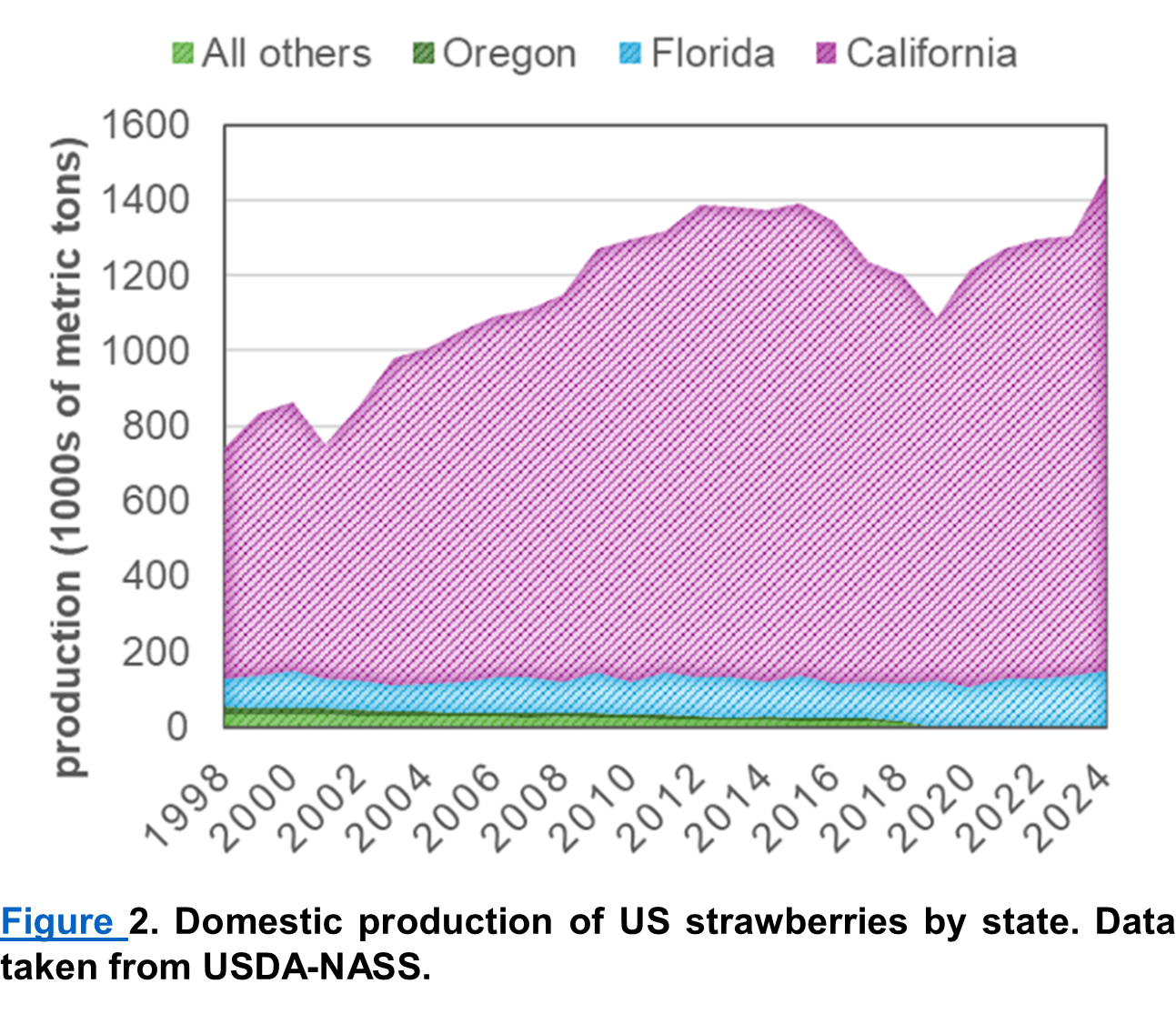
There is a relationship between annual production of US strawberries and their price which is instructive for indoor- based strawberries. Figure 2 shows two important trends. First, overall domestic production rose at 744,000(1998) to 1,467,000(2024) metric tons. The increase is roughly double with an annual average increase of 2.9% per year. Second, states that produce strawberries in 1998 were California and Florida together at 93% while by 2024, they are virtually 100% of national production. Figure 3 provides detailed information on the monthly retail price of strawberries in $/pint. In 15 years of price data (3a), there is an intra-annual cycle of prices. A low price occurs in Jun/ Jul followed by a high price that occurs in Dec/Jan. The reason for the large change in price is due to the time when strawberries are scarce due to a production decrease in California. If someone can produce strawberries in the period of Oct-Feb in the US south central region by protected growing methods, the revenue potential is substantial.

Barriers to local, protected strawberry production expansion
Structures for protected strawberry cultivation range from low-technology plastic tunnels to medium-technology glass greenhouses equipped with heating and cooling systems, and high-technology indoor vertical farms. In many Asian and European countries, most protected cultivation structures consist of low-technology plastic tunnels. China had 2.67 million hectares of protected cultivation area in 2021, accounting for more than 80% of the global protected cultivation area.(7) China produces approximately 36.2% of the world’s strawberries, with more than 80% of production occurring under protected cultivation, primarily using plastic tunnels.(8) In contrast, in the United States, over 90% of strawberries are produced in open-field systems in California. Globally, low-technology plastic tunnels account for approximately 80–90% of the total area under protected cultivation.(9) While effective, these practices make plastic tunnel systems labor-intensive, which may not be practical in the US. In contrast, medium- and high-technology greenhouses and indoor farming systems require substantial initial investments. Moreover, there is a significant knowledge gap regarding optimal strawberry production practices in greenhouses and indoor farms.
Research needs and future outlook
Research on the US strawberry industry reports a shift toward protected and controlled-environment production, driven by labor shortages, climate variability, and demand for year-round supply. Automation, sensor networks, and network communications are identified as important enablers for scaling these systems. Lighting, climate control, and yield prediction remain central production challenges, while high electricity costs for lighting and cooling limit expansion of fully indoor systems. Reported protected system yields of 2 lb/ft² (9.8 kg/m2) for the ‘Albion’ cultivar suggest potential for higher productivity with improved cultivars and system optimization.(10) As well, digital-twin technologies are emerging as tools for simulation, algorithm development, and decision support. A digital-twin-driven approach has been demonstrated for strawberry fruit detection and sizing using deep learning (Mask R-CNN).(11) Computer vision has provided autonomous solutions for agricultural applications, including pest and disease detection, automatic quality control of harvested fruits, and the detection, localization, and counting of flowers and crops for yield prediction, supported by openly available datasets.(12)
Future research on CEA for strawberries should emphasize resource efficiency compared to conventional, open field production. Potential benefits include reduced food miles, and lower transportation costs and carbon emissions.(13) However, widespread CEA adoption faces challenges such as greater costs, vulnerability to extreme weather, and increased energy demands.