World Theatre Day 2026 (Photo: Special arrangement)
The tradition of storytelling through theatre has come a long way as one of the most popular performing arts. With the onset of satellite television, a section of people thought it would pose a threat to the medium. But people, across the globe, have kept the theatre alive as they constantly engage themselves in the advancement of this old form of art. Theatre demands passion and perseverance as well as time from the performers as well as the viewers. It’s a one-take performance; there’s no retake! And here lies the beauty of it… this live performance before the audience excites the practitioners of this art.
Many actors from the Hindi film industry, popularly known as Bollywood, have kept the tradition of theatres alive amid many hindrances. As a profession, doing theatre is not a lucrative one, but it’s treated as a school of learning. Hence, even after gaining name and fame, many actors in the Hindi industry perform on the stage parallelly with their run on the silver screen. Naseeruddin Shah, Anupam Kher, Vinay Pathak, Jim Sarbh, Pankaj Tripathi, Ranvir Shorey, Rasika Dugal, Neena Gupta, Divya Dutta, Manoj Bajpayee, Boman Irani, Manoj and Seema Pahwa, Pankaj Kapur, and many more still practice this art with equal zeal and passion.
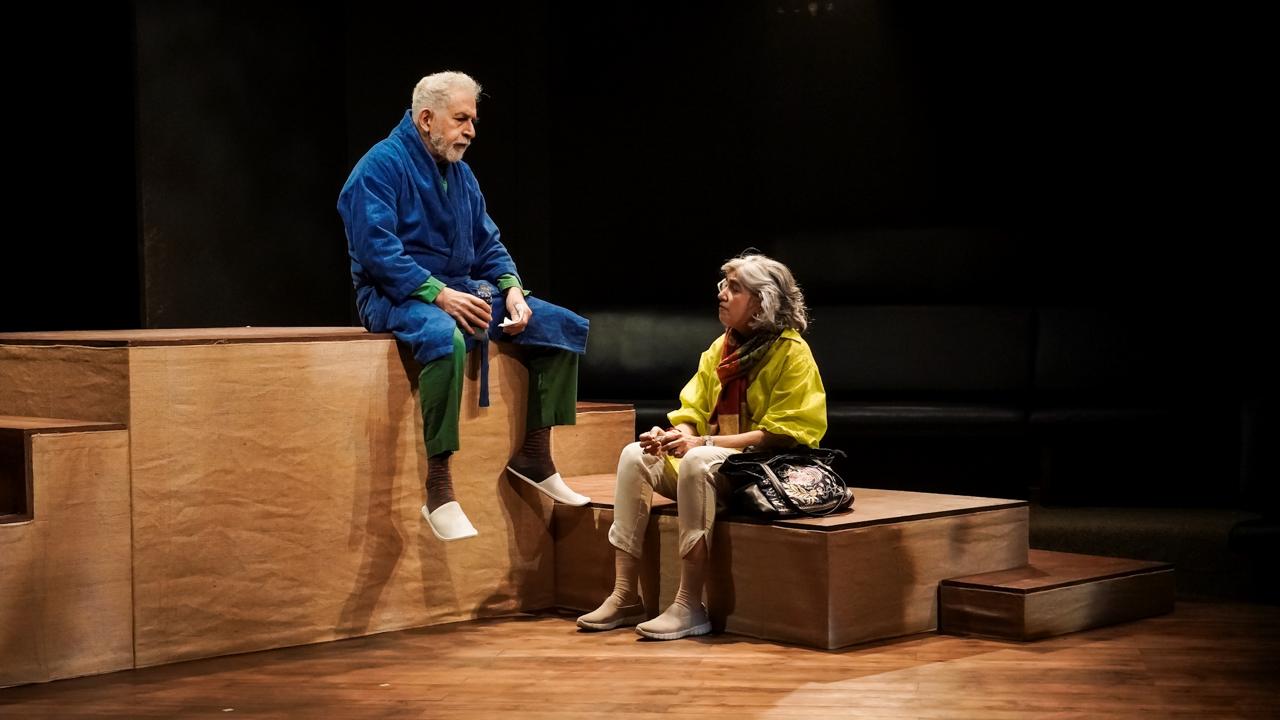
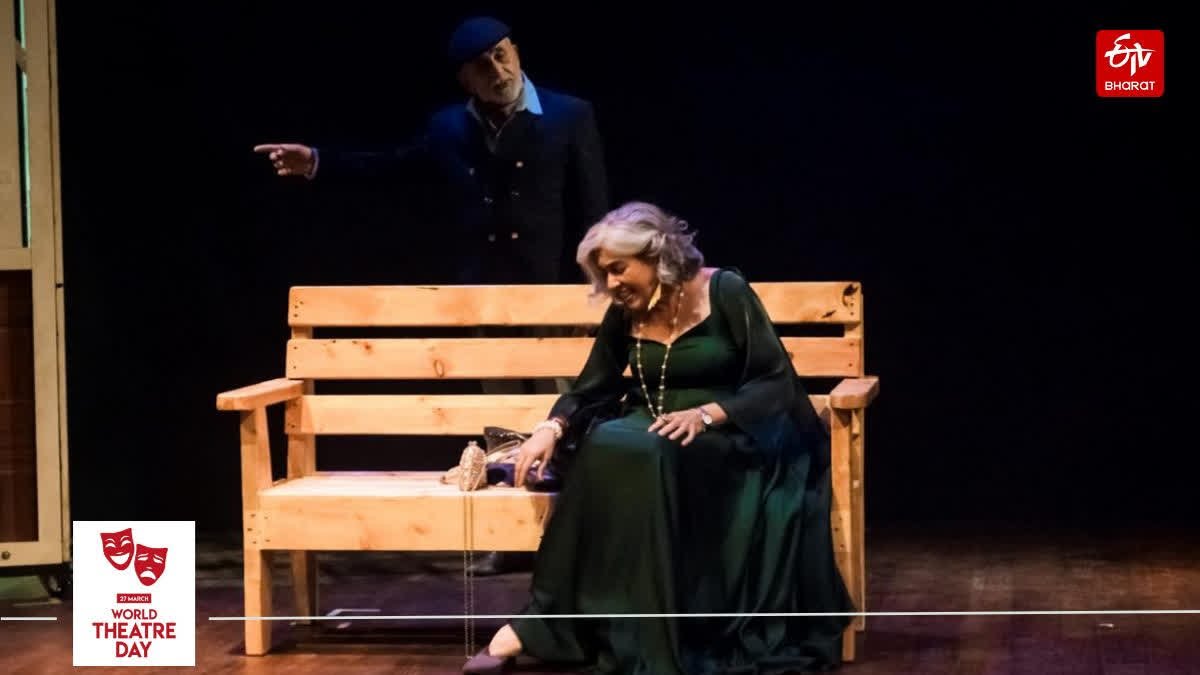
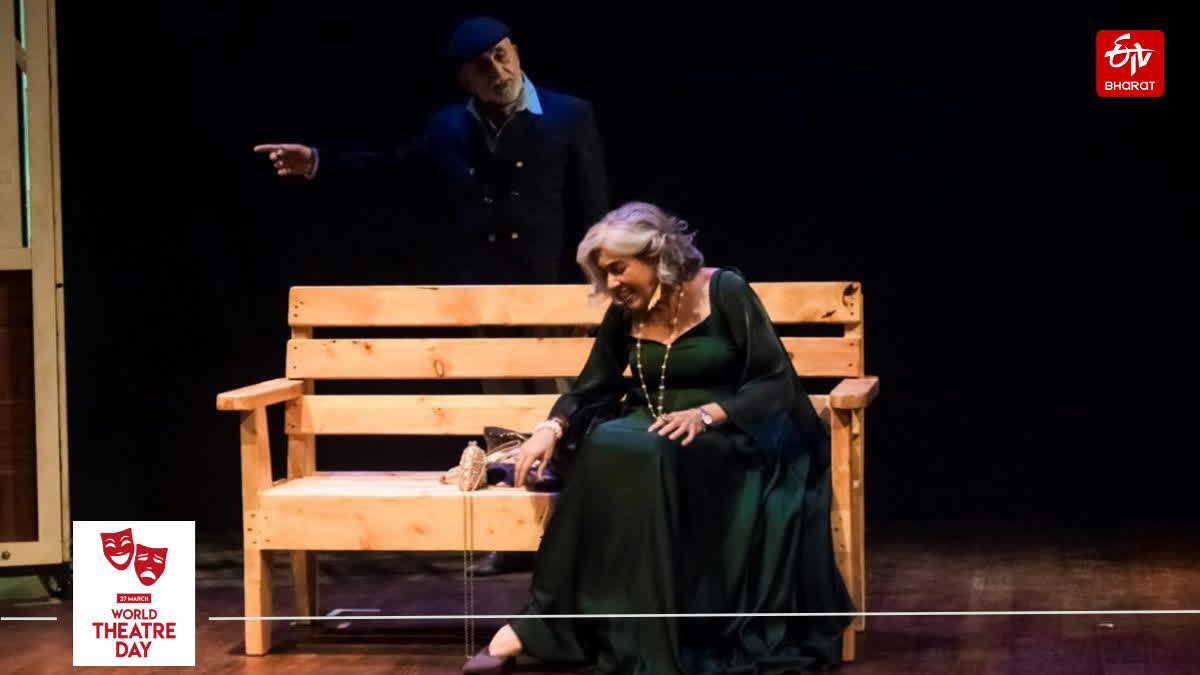
Naseeruddin Shah and Ratna Pathak from Old-World, a 110 min English play produced by Motley Theatre Group (Photo: Special arrangement)
On the occasion of World Theatre Day 2026, which is celebrated today, March 27 to make people aware of this art, to spread the word about this art, and to encourage common people to engage in this pursuit of art, we talk to some of these actors who often call the live stage their first love.
Naseeruddin Shah continues to actively pursue theatre because he views it as a “living organism” that offers a deeper, more comprehensive team experience compared to the “clinical” nature of film acting, where roles often emerge in isolation. “I would blindly embrace theatre any day, as it fulfills me as an artist by allowing me to engage with the greatest writers of the last thousand years, such as Shakespeare and Shaw,” says Shah.
Shah’s role as artistic director of the theatre group Motley, which he co-founded in 1979, has allowed him to be a part of the changing idiom of the art form in India. At 75, Shah feels there is “a lot more in theatre” he wants to explore. He considers the energy created during a live performance irreplaceable by cameras. One of India’s most versatile and brilliant actors, who has left an indelible mark on both Indian parallel and mainstream cinema over five decades, says he prefers “small intimate theatre” over Broadway-style spectacles. He thrives on the interaction with a live audience, which acts as an integral part of the performance. Shah has often remarked that he never felt anxiety on stage but rather a sense of “coming home,” a feeling that has remained with him since his first performance at age 14.
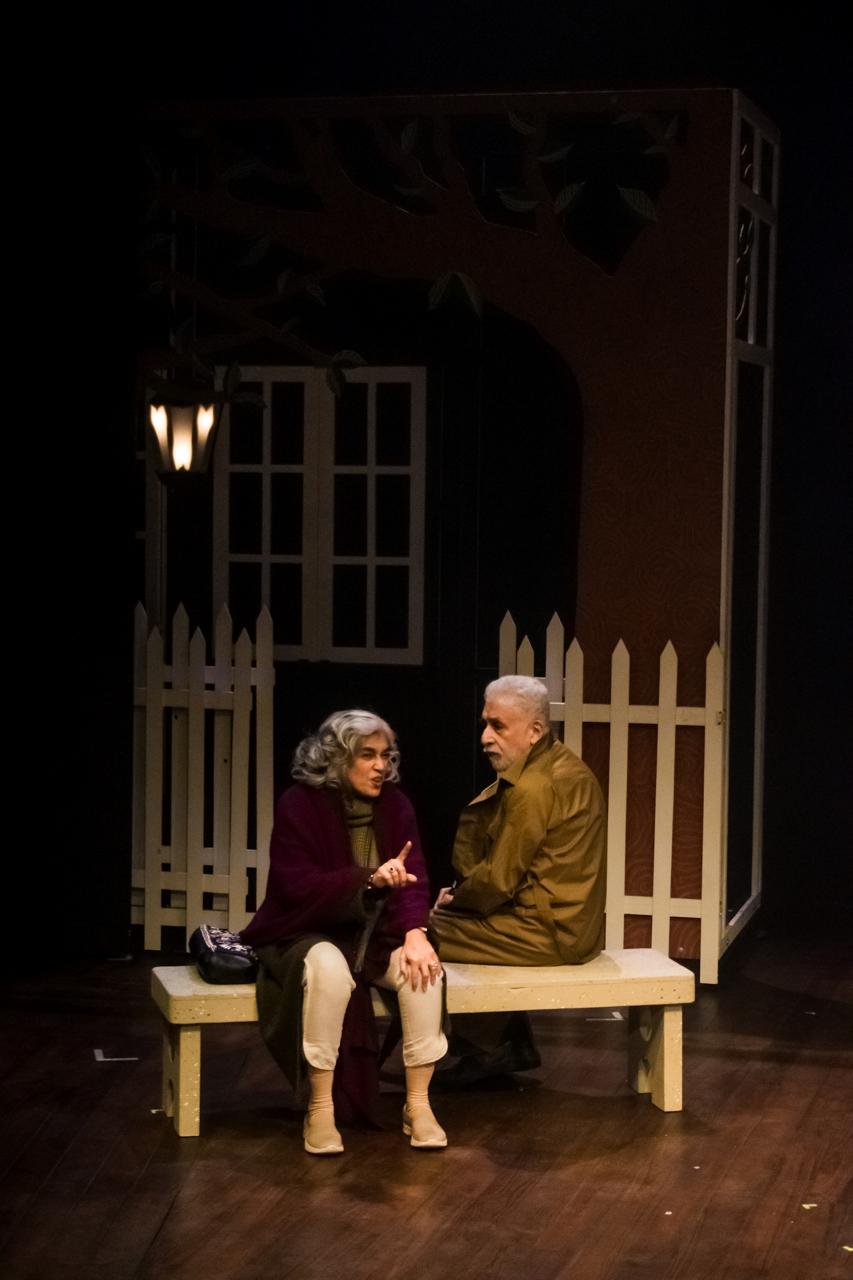
At 75, Naseeruddin Shah feels there is “a lot more in theatre” he wants to explore (Photo: Special arrangement)
Boman Irani continues to engage with theatre because he views it as a “truthful schooling” for actors, providing a foundation that film acting cannot offer. Despite his success in Bollywood, the veteran actor, who began his career in theatre at age 35, believes in maintaining the discipline and craft developed on stage. “The magic of a dimmed auditorium and the thrill of engaging with a live audience make my heart beat faster. The discipline, craft development, and direct connection with the audience only live theatre can provide,” says Irani, who has often mentioned that acting is fundamentally the same on stage or screen, but theatre allows for a more intense exploration of a character.
Seema Pahwa, a veteran theatre artist, director, and Bollywood actress known for her profound contributions to Delhi and Mumbai stage, particularly in experiential and Hindi literature-based productions, emphasizes that theatre acting provides deeper artistic fulfillment than films, focusing on nuance and, in some cases, “absolute stillness” to convey emotional depth. She began in Delhi with the Sambhav group, later collaborating with Naseeruddin Shah’s Motley Productions and founding Kopal Productions.
“If we don’t do theatre, we can’t do good work in cinema. Theatre does that reality check; in cinema, audience reactions come in pretty late, whereas responses in theatre are instant. I do theatre regularly alongside films. If I have committed to theatre and given my dates to them, I tell my film producer/director that these are my play performance dates. Obviously earning money in theatres is difficult, but sponsored plays do bring in decent money,” says Pahwa, who recently directed Kuch Panne, a theatrical production under her Kopal Productions banner. The play consists of staged short stories by acclaimed authors Munshi Premchand and Bhisham Sahni, focusing on social themes, nostalgia, and relationships.
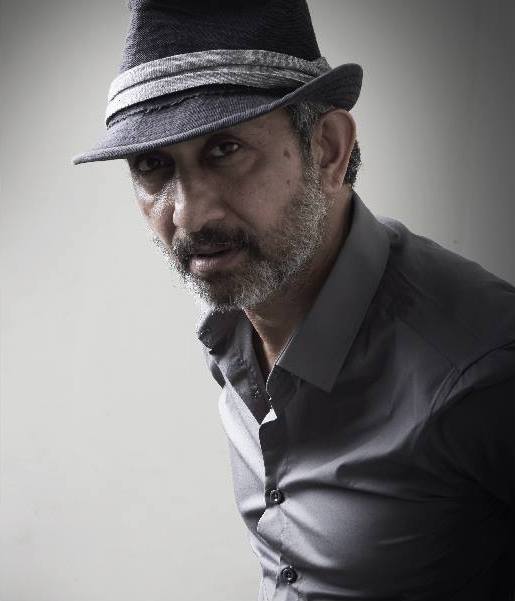
‘Theatre works on the heart and soul level,’ says Neeraj Kabi (Photo: Special arrangement)
“Theatre still provides good content and good stories; it is rooted to culture and also quite contemporary with ideas taken from literature. Theatre keeps our culture alive, whereas cinema has undergone massive change and it is far more commercial. Also, there are limitations in cinema; theatre flourishes in every big and small city, with each city having at least 15 theatre groups. One film takes about 18 months to complete and release; theatre production is fast; we come out with a new play every month. That is the positive thing about theatre. I have done plays on a terrace; we have narrated stories in people’s drawing rooms,” Pahwa further adds.
Neeraj Kabi, a critically acclaimed theatre actor, director, and trainer known for his profound influence on contemporary English and Hindi theatre, is getting back to theatre as a director after a gap of almost 10 years. “Theatre works on the heart and soul level, which is why the celebration of this art should not happen only on World Theatre Day but every single day of our lives because this is the way of life,” says Kabi.
“It is difficult to balance theatre and cinema because in films or OTT the timings are not up to you; they are determined by channels, by producers, by the director, and they are dependent on multiple actors and technicians, even the location and space factors, whereas in theatre it is more organic, more disciplined because your rehearsals are your rehearsals and they are under your control. Rehearsing for a theatre performance just needs space and actors; it doesn’t require a vanity van or meal preparations or costume designers,” says Kabi.
“Secondly,” he continues, “theatre is more linear in the way you are rehearsing; you start from act one to act two to act three to act four… Films may start from the end and go to the middle or beginning, so balancing different art forms becomes difficult, especially if you are busy in all three media.” Since 1996, Kabi has led the Pravah Theatre Laboratory, focusing on combining Indian traditional arts with global theatre texts, and has acted in numerous English plays, including Anton Chekhov’s Lady with Lapdog (directed by Atul Kumar), Tom Stoppard’s Rosencrantz and Guildenstern are Dead, Ibsen’s Hedda Gabler (directed by Rehaan Engineer), and Florian Zeller’s The Father (directed by Naseeruddin Shah).
Jim Sarbh finds theatre comfortable, and he feels more at home while doing theatre. To him, the most important aspect of acting on stage is reacting “to yourself, to your co-actors, and to the audience.”
“But what’s thrilling about it is that it’s live. You sit with strangers and watch people tell you a story, and you are sucked into the spectacle unfolding before you. You see people as they are…you watch actors forgive themselves for any momentary slip and move on, and you forgive them and move on as well,” says Sarbh, who did four years of theatre with many different groups and theatre veterans like Atul Kumar, Rajat Kapoor and Rajit Kapur among others. And some of the plays he has been a part of are The Zoo Story, Noises Off, Cock, Cleansed, What’s Done is Done, One Flea Spare, Sea Wall and Every Good Boy Deserves Favour by Tom Stoppard.
“Theatre is like my comfort food, dal chawal, something I want to return to as often as I can,” says noted film and theatre actor Kumud Mishra.
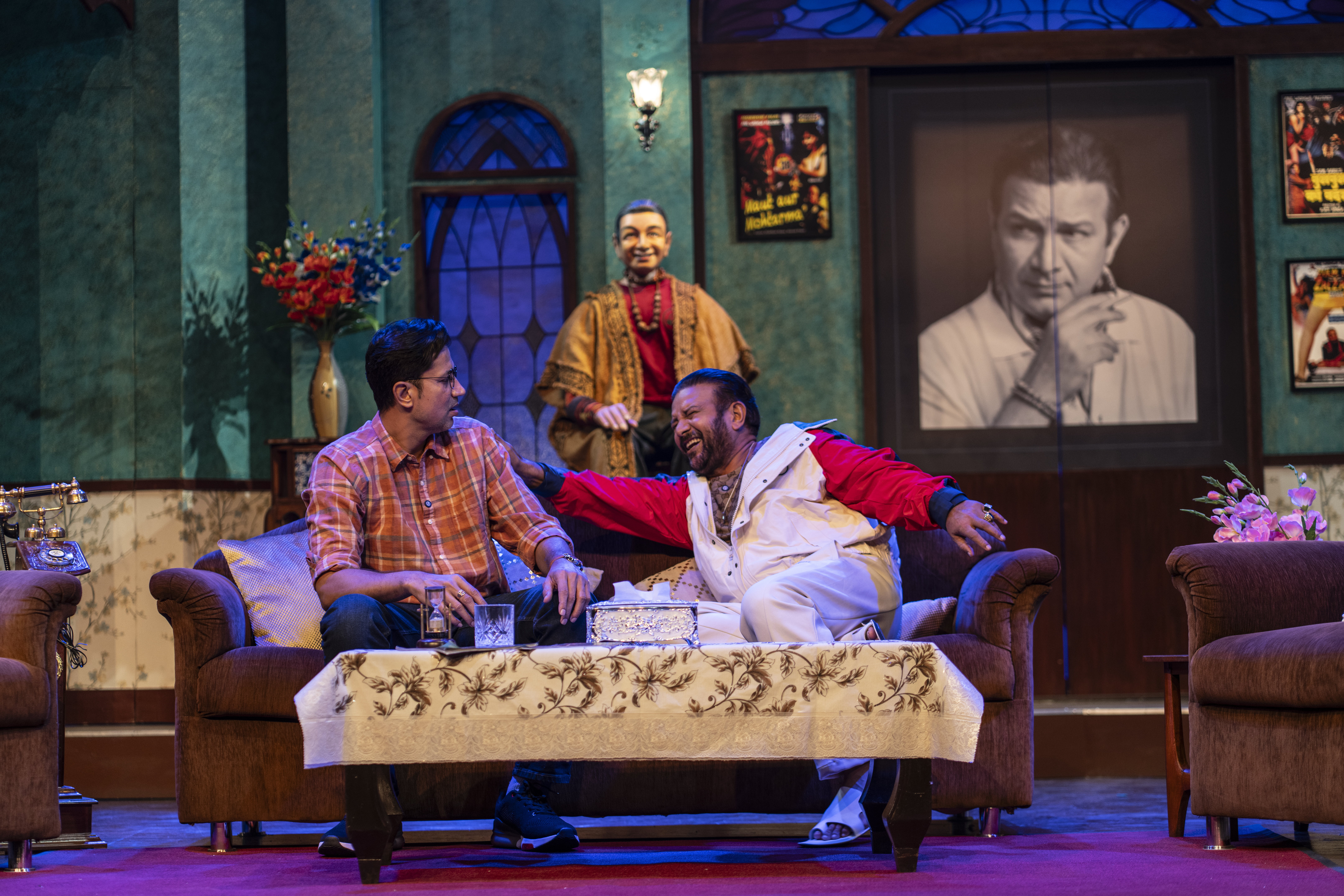
Sumeet Vyas and Kumud Mishra in a still from Saanp Seedhi (Photo: Special arrangement)
“Theatre offers me challenges that I get only once in five years in films, the medium has helped me understand acting. Whatever I have as an actor is because of theatre; I don’t have any existence without theatre,” adds Mishra, who was recently in the role of a showman in the play Saanp Seedhi, a thriller in the guise of a love triangle.
An ace performer and National School of Drama (NSD) graduate, Pankaj Tripathi returned to the stage early this year after a 12-year hiatus, performing a cameo in the musical comedy Lailaaj. Produced by himself and his wife, Mridula, the play marks a significant family collaboration as it also features their daughter, Aashi, in her theatrical debut. He calls the experience grounding and a “heartfelt homecoming”. Citing the need to nourish his creativity, he further says, “Cinema has given me immense love and recognition, but theatre has a different kind of intimacy. It humbles you, challenges you, and keeps you honest as a performer.”