






Ashes and Apathy: UK Drought’s Wildfire Scars Demand a Paradigm Shift in Conservation
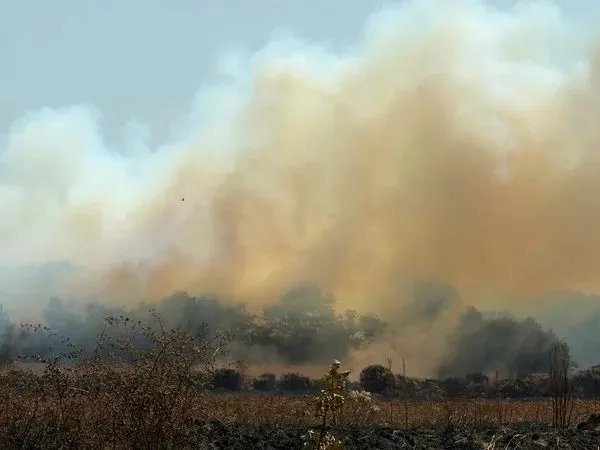
The summer of 2026 has etched itself into the UK’s consciousness, not just for the pervasive drought, but for the dramatic escalation of wildfires across the nation. In the East Anglia region, two names have become synonymous with this ecological crisis: Dunwich Heath and Middlewick in Colchester, the latter tragically reigniting mere days after its initial devastation.
The stark reality is that the vast majority of these blazes are anthropogenic in origin. Discarded cigarettes, forgotten bottles amplifying sunlight, errant sparks from bonfires or vehicles, even fireworks – the list of human-caused ignitions is extensive. This places the onus squarely on us to determine the fate of these precious landscapes, but first, we must collectively acknowledge their inherent worth. Both Dunwich Heath and Middlewick share a critical vulnerability: virtually unrestricted public access, a double-edged sword that fosters appreciation but also fuels destruction.
The Human Footprint: A Double-Edged Sword
Middlewick, a recent battleground for preservation efforts against proposed "disposal," bears the indelible marks of its open access. Litter, some innocuous, much of it not, and visible scarring from heavy foot traffic paint a clear picture of its intensive use. As an open green space nestled within an urban sprawl, it is undeniably well-loved and well-utilised by the local community.
However, the discourse surrounding Middlewick’s value, particularly from local politicians, frequently frames it through an anthropocentric lens – its utility to us, its benefit to people whose votes and approval are sought. This human-centric perspective often overshadows the deeper ecological significance of such sites.
The aftermath of the fires has seen an outpouring of public concern for the "poor wildlife" affected. While well-intentioned, this anthropomorphic sentiment can be deeply inadequate. Natural ecosystems are not mere aesthetic pleasures or convenient amenities; they are the vital organs of our planet, essential for our very survival.
A Perfect Storm: Climate, Humans, and Fragile Ecosystems
An ecosystem, by definition, is "a community of living things interacting with their physical environment." A balanced ecosystem is inherently healthy and sustainable, with species evolving to thrive within their specific environmental niches. While species possess adaptive capabilities, rapid environmental shifts can outpace their ability to cope. Our current climate trajectory is accelerating at a rate that many wild creatures simply cannot keep pace with, and the immediate, brutal threat of wildfire adds another layer of existential peril.

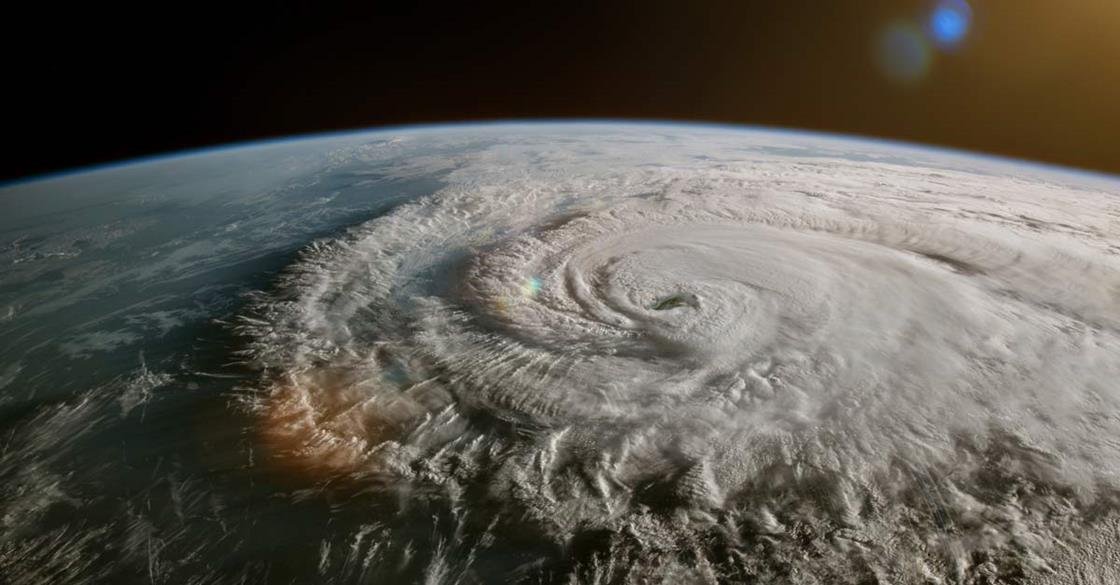
The alarming increase in frequency, intensity, and duration of these catastrophic events is directly linked to rapid climate warming. While wildfires are a natural phenomenon, their current prevalence in areas like Middlewick far exceeds historical norms. The synergistic effect of rising temperatures and heightened human activity has exponentially magnified the risk.
Beyond Recreation: The Intrinsic Value of Natural Systems
The urgent challenge presented by sites like Middlewick and Dunwich Heath is not just about preserving recreational spaces; it’s about safeguarding essential natural infrastructure that provides for us. Biodiversity-rich areas are indispensable components of the planet’s ecosystem. They are nurseries for pollinators, without which our food systems would collapse. They act as natural flood buffers, mitigating the impact of heavy rainfall. They offer crucial cooling zones in an increasingly hot urban landscape, absorbing carbon, providing shade, and regulating air temperatures – all at no cost.
These intricate natural systems, honed over millennia of evolution, offer protections that cannot be replicated by artificial means. The rise of plastic grass, for instance, stands in stark contrast to its natural counterpart, offering no ecological benefit and ultimately contributing to microplastic pollution.
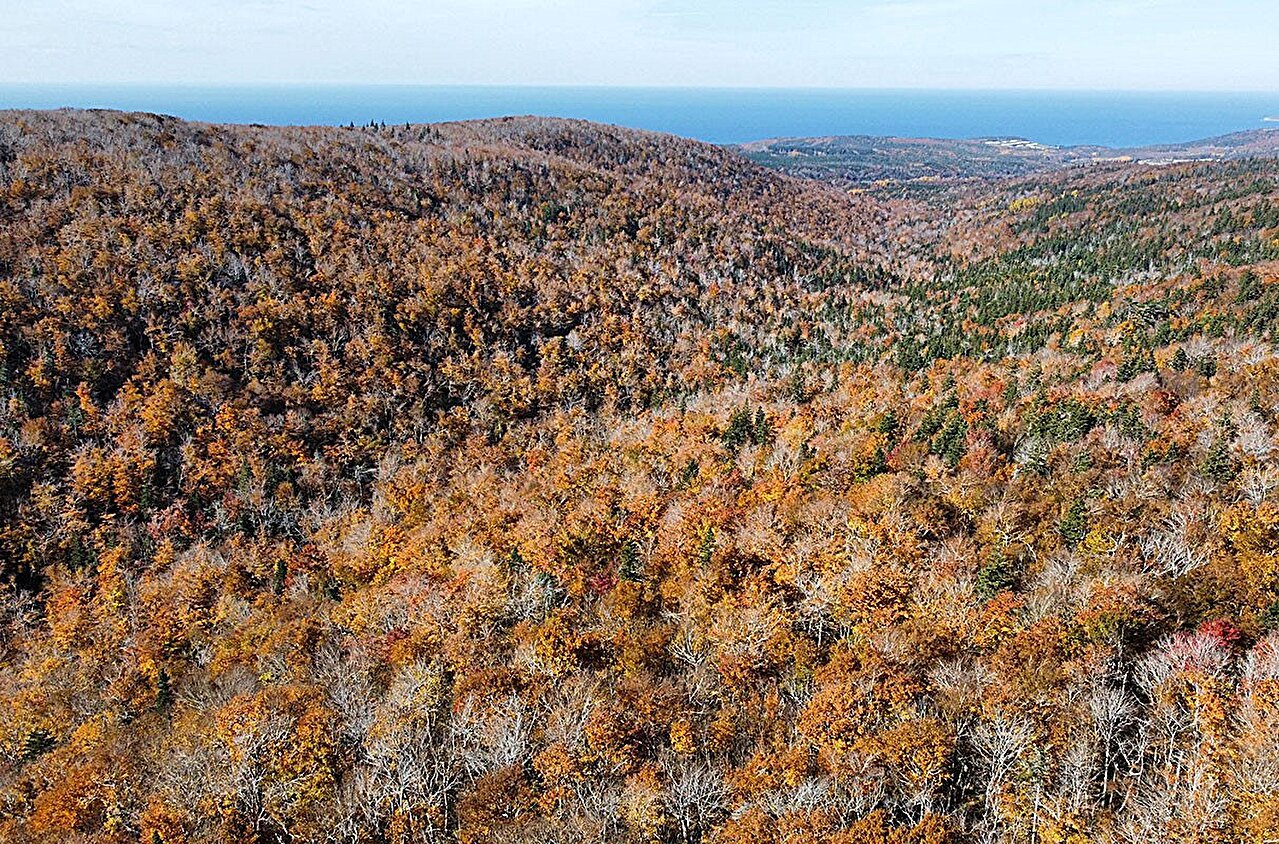
Middlewick holds particular significance as an example of acid grassland, a rare and threatened ecosystem. To effectively protect such unique habitats, we must meticulously identify their vulnerabilities to fire and implement robust preventative measures. Where fires are inevitable, strategic planning is essential to limit damage to the most ecologically vital elements.
The continued existence of Middlewick as a valuable green space for humans is entirely predicated on its survival as a healthy ecosystem. Our collective sense of entitlement to these spaces often fuels the clamour for their preservation. What is now desperately needed is a profound and collective sense of responsibility towards them, demanding similar solidarity and strength of feeling.
The increasingly erratic and unpredictable nature of our weather patterns further complicates risk assessment and proactive planning. Nevertheless, assess, plan, and mitigate we must. Political representatives are reportedly eager to engage in this discussion. It is imperative that this dialogue is thoughtful, well-informed, and grounded in a recognition of Middlewick’s fundamental, intrinsic ecological importance, transcending its mere "utility" for human "recreation."
More from East Anglia Bylines

Friends of Bylines Network
There has never been a greater need for grassroots journalism that investigates the stories that really matter, holds power to account and champions the voices of everyday citizens. We are proudly powered by volunteers but what we do isn’t free.
STAND WITH US for independent, citizen-led journalism that makes democracy stronger, and you will even get some exclusive benefits.