







India is grappling with a severe disruption to its traditional monsoon patterns, which historically provided the majority of the nation’s annual rainfall between June and September. While the timing and intensity of these monsoons have always varied, a predictable rhythm allowed farmers, cities, and businesses to plan accordingly. This established pattern now appears to be a relic of the past.
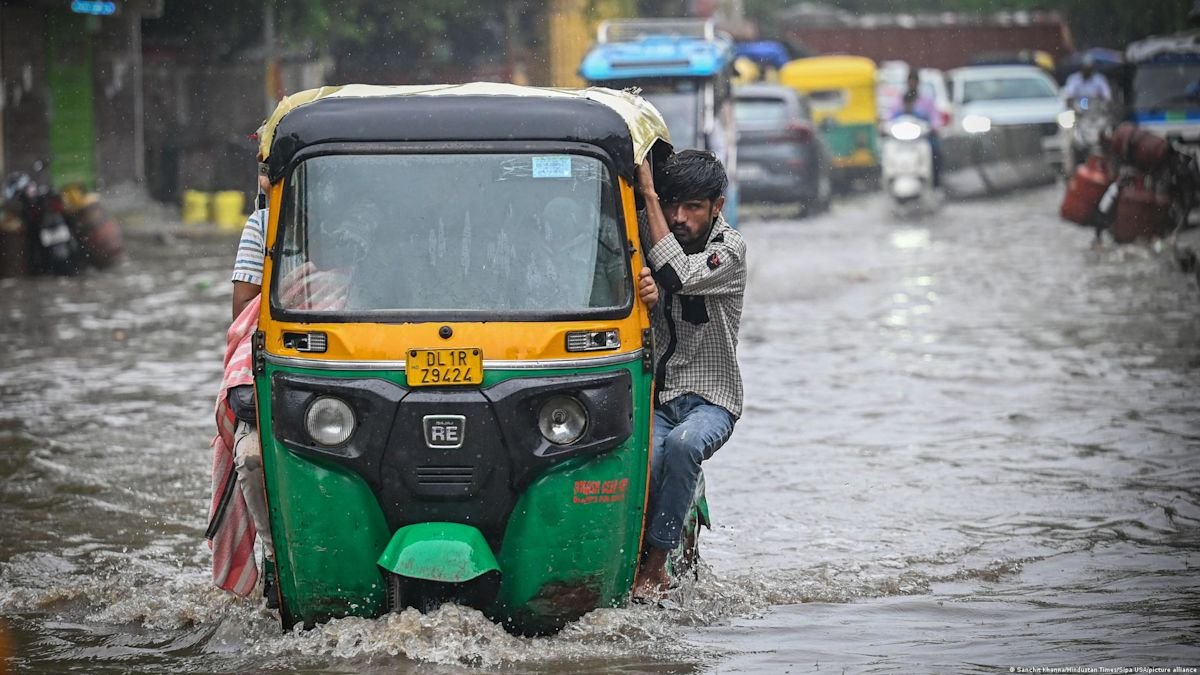
Since late July, over 100 people have died across India due to heavy monsoon rains that have triggered floods, landslides, and lightning strikes. The northeastern state of Assam has been particularly hard hit, with more than 120,000 individuals affected by flooding. Other states, including Kerala, Jammu and Kashmir, Bihar, and Jharkhand, have also reported fatalities and widespread disruption. Even India’s capital, New Delhi, has experienced flooding.
Experts indicate that the core issue is not necessarily an increase in overall rainfall, but rather the altered manner in which the rain is delivered. Extended dry spells are increasingly followed by brief, intense bursts of precipitation that overwhelm rivers, drainage systems, and hillsides. While El Nino has contributed to this year’s variability, scientists assert that long-term changes are driven by a shifting climate.
Akshay Deoras, a senior research scientist at the UK’s National Centre for Atmospheric Science and the University of Reading, cautions against declaring that the Indian monsoon has entered “a fundamentally different regime.” He emphasizes that active and break spells have always been inherent to the monsoon, but their intensity appears to be changing. Deoras explains that a warmer atmosphere can retain more moisture, leading to more intense active spells of rainfall.
However, Madhavan Nair Rajeevan, a climate scientist and former secretary in the Ministry of Earth Sciences, holds a more definitive view. While acknowledging that average seasonal rainfall hasn’t shown a systematic long-term change and the monsoon remains a robust natural phenomenon, he states that the timing, intensity, and distribution of rainfall are noticeably different. Rajeevan asserts that “the characteristics of the Indian monsoon have changed fundamentally,” noting an increase in short-duration rainfall extremes, longer dry spells, and alterations in the frequency, intensity, and distribution of monsoon weather systems. He believes the rise in extreme rainfall transcends natural variability and represents a “structural shift in the monsoon system.”
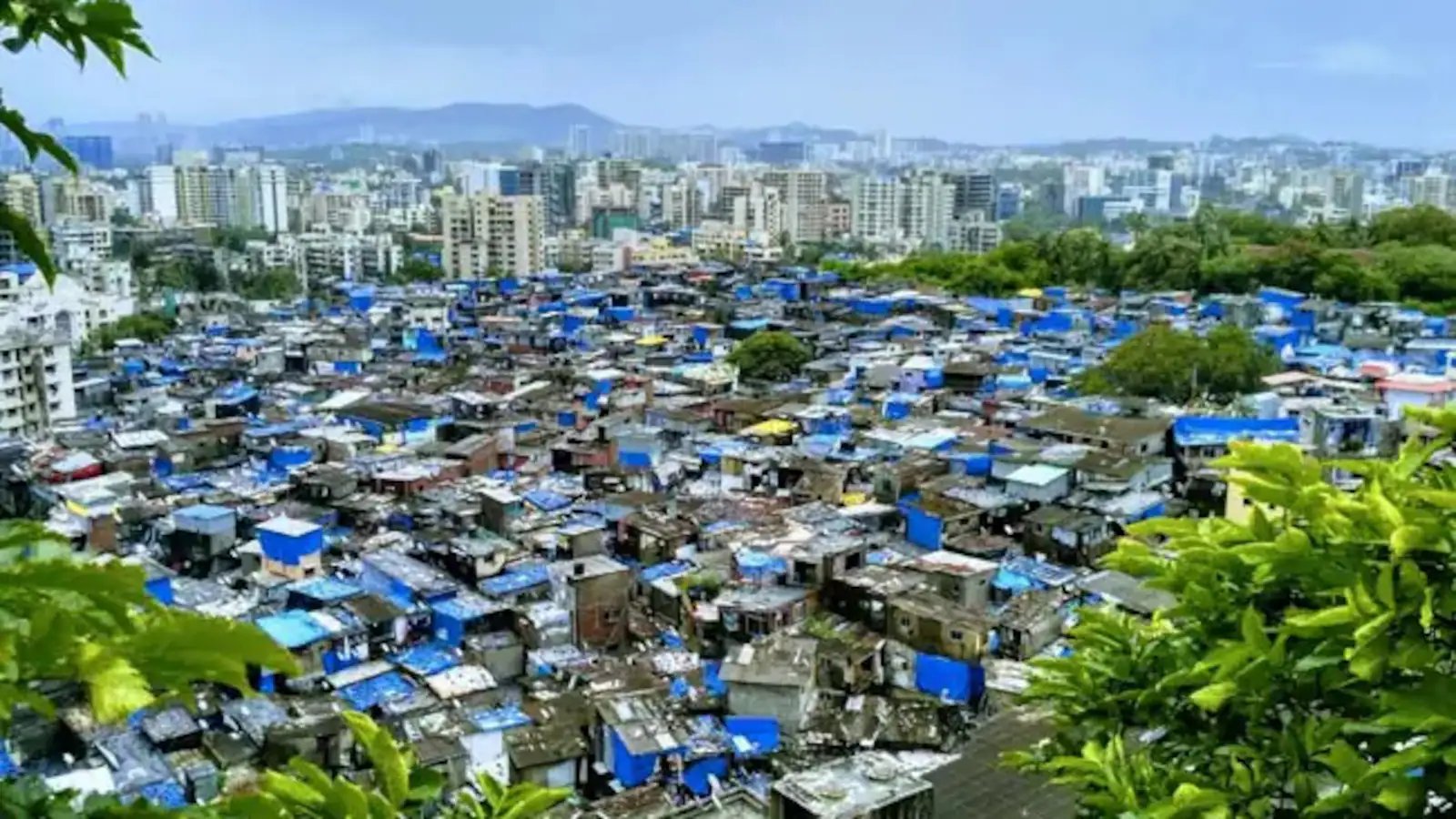
Both rural and urban areas in India are at significant risk. Farmers, heavily reliant on the timing of rainfall, face challenges from long dry spells that disrupt sowing and reduce soil moisture, while intense rain can devastate fields and crops. Indian cities are also struggling due to rapid construction, which reduces permeable land and interferes with natural drainage. Additionally, after weeks of dry weather, hardened soil absorbs less water, causing more rainfall to flood rivers and drains rather than replenishing groundwater.
Deoras warns that India’s infrastructure is increasingly ill-equipped to handle the evolving threat, stating that “the greatest risks increasingly come from short periods of very intense rainfall.” He points out that drainage systems and flood management strategies are often still based on historical seasonal rainfall averages, rather than the high-impact, short-duration events that cause the most significant disruption. While forecasting has improved, its utility is limited if authorities do not act on warnings. Deoras stresses the need for “timely, impact-based decisions” such as adjusting school schedules, restricting travel, or closing vulnerable areas proactively.
Environmental lawyer Ritwick Dutta, managing trustee of the Legal Initiative for Forest and Environment, argues that the problem extends beyond extreme weather itself. He explains that while climate change is scientifically accepted to cause erratic rainfall patterns, India’s decision-making process for construction projects fails to integrate climate change considerations. Dutta cites the example of Pune, where a study projected a 37% increase in rainfall by 2030, yet this projection has not been adequately incorporated into the city’s planning, including riverfront development. He criticizes the continuation of projects like dams, embankments, and roads without sufficient climate change resilience, stating, “We proceed as though climate change is a matter to be discussed only in conferences and workshops.” Dutta also highlights the absence of a “climate proofing” concept within India’s environmental clearance system.
A report by the Centre for Science and Environment (CSE) revealed that extreme weather impacted India on 331 out of 334 monitored days in 2025. Over 4,000 people died, with approximately 3,000 fatalities occurring during the monsoon. Additionally, at least 30 states and union territories simultaneously experienced extreme weather for eight consecutive months.
Sunita Narain, Director General of the CSE, stresses that adaptation must become integral to India’s development strategy. She asserts, “Climate change is no longer a future threat. It is already here in the form of extreme heat, extreme rainfall and increasingly destructive weather events.” Narain emphasizes that the challenge is no longer scientific proof but rather redesigning the economy and infrastructure to survive these conditions. She advocates for planning cities, roads, drainage systems, and water infrastructure for a future of more intense and unpredictable weather, urging India to cease treating each flood as an isolated disaster and instead plan for a climate where such extremes are the norm.
India faces a new paradigm of extreme weather, where national rainfall deficits can coexist with localized flooding, farmers experience prolonged dry spells followed by crop-destroying downpours, and cities designed for average monsoons are overwhelmed by extraordinary rain. Rajeevan stresses that the focus must shift “beyond documenting and discussing these changes towards developing and implementing effective, sector-specific adaptation strategies.” This includes improved flood management in urban areas, adjustments to agricultural practices, stronger water-storage systems, and infrastructure designed for short-duration extreme rainfall rather than historical averages. While India cannot control the monsoon, El Nino, or global warming independently, it can make crucial decisions about where and how it builds, ensuring its new infrastructure is designed for its climatic future.