






The Great Green Debate: Native vs. Non-Native Planting in a Changing Climate
London, UK – As climate change continues to reshape landscapes and challenge traditional horticultural practices, a robust debate has emerged regarding the most effective planting strategies for a warming world. Recent correspondence to a prominent environmental publication has highlighted the complex interplay between ecological preservation, climate adaptation, and the role of native versus non-native species.
The discussion was ignited by a suggestion from Richard Eltringham (Letters, 5 August) advocating for a shift towards drought-tolerant non-native species as a response to England’s evolving climate. This proposition, however, has been met with nuanced counterarguments from leading experts and concerned citizens alike, underscoring the multifaceted nature of the challenge.
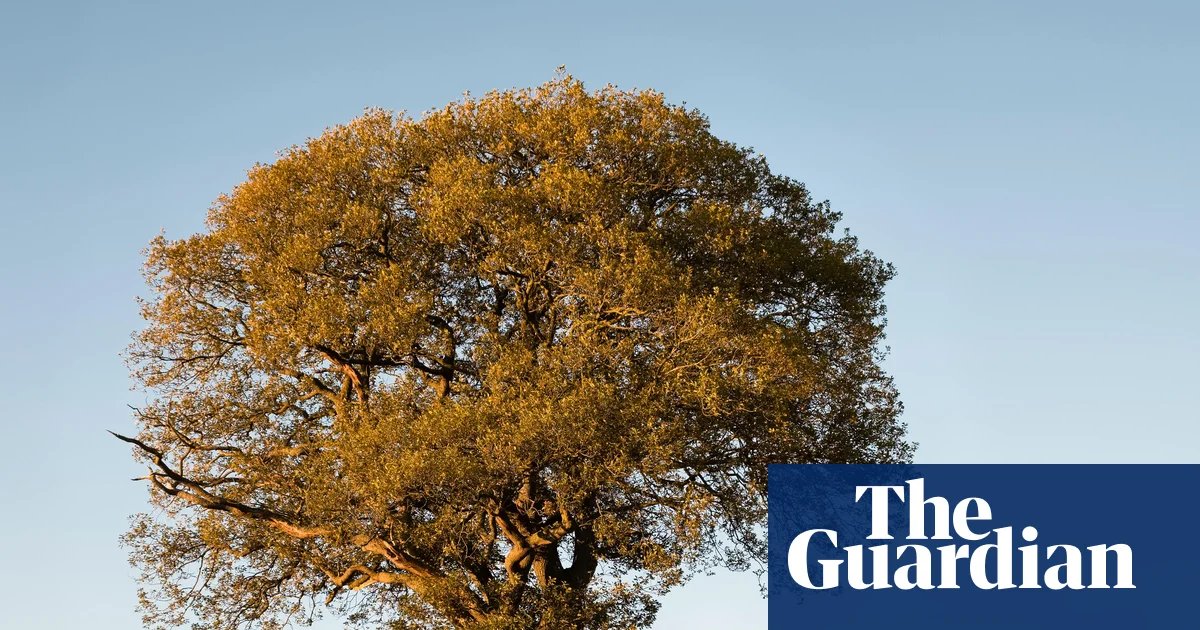
Professor Martin Sullivan, a distinguished Professor of global change ecology at Manchester Metropolitan University, cautioned against a "kneejerk shift" away from native planting. While acknowledging the horticulturists’ focus on non-native plants for pollinators, Professor Sullivan emphasized that the ecological value of native species extends far beyond mere nectar provision. "Other ecological interactions (for example, food plants for insect larvae) are harder to replace," he stated. He cited a compelling example: "Native oaks support 2,300 other species," a biodiversity benchmark that drought-adapted non-natives are unlikely to replicate in their entirety.
Professor Sullivan further elaborated on the inherent adaptability of native species, challenging the notion that they are inextricably linked to a "preindustrial climate." He pointed to "evidence of rapid microevolutionary changes in oaks" in response to recent climate shifts, suggesting that observed stress in young native trees might be a natural part of a selection process for drought adaptation. He also highlighted the practical limitations of an overreliance on non-native, drought-tolerant species. "Mediterranean landscapes are rather brown in summer precisely because of plants’ adaptations to hot and dry conditions," he observed, while also noting that "our dull, wet winters adeptly kill many drought-tolerant species." For Professor Sullivan, alternative planting palettes are no "panacea."
Echoing Professor Sullivan’s concerns, Lorraine Du Feu from Cheltenham, Gloucestershire, expressed her perplexity at Eltringham’s suggestion. She highlighted that gardens and parks are already predominantly populated by exotic species, some of which are already well-adapted to drought. More importantly, Ms. Du Feu underscored the often-overlooked resilience of many native plants. "Many native plants are also drought-tolerant," she affirmed, cautioning against discouraging the admirable trend of "wildlife-friendly gardening."
Ms. Du Feu emphasized the crucial role native species play in supporting the entire life cycle of native insects, not just adult pollinators. "It would be a pity to discourage people from attempts to make their garden more attractive for native insects by using plants that provide for all stages of their lives rather than just adults looking for pollen," she wrote. Her message resonated with a growing public awareness of the interconnectedness of ecosystems and the importance of supporting local biodiversity.
Both Professor Sullivan and Ms. Du Feu agree that adapting planting strategies to cope with climate change is essential. However, they vehemently argue against the assumption that such adaptation necessitates abandoning native species. Their contributions to the debate underscore the complex ecological considerations that must guide our horticultural choices in a rapidly changing world. The challenge, it appears, lies not in a wholesale rejection of one type of plant over another, but in a nuanced understanding of their respective ecological contributions and adaptive capacities.
Have an opinion on anything you’ve read in the Guardian today? Please email us your letter and it will be considered for publication in our letters section.