




UP Minister Challenges Rahul Gandhi’s Hindi Skills, Touts State’s Energy Prowess
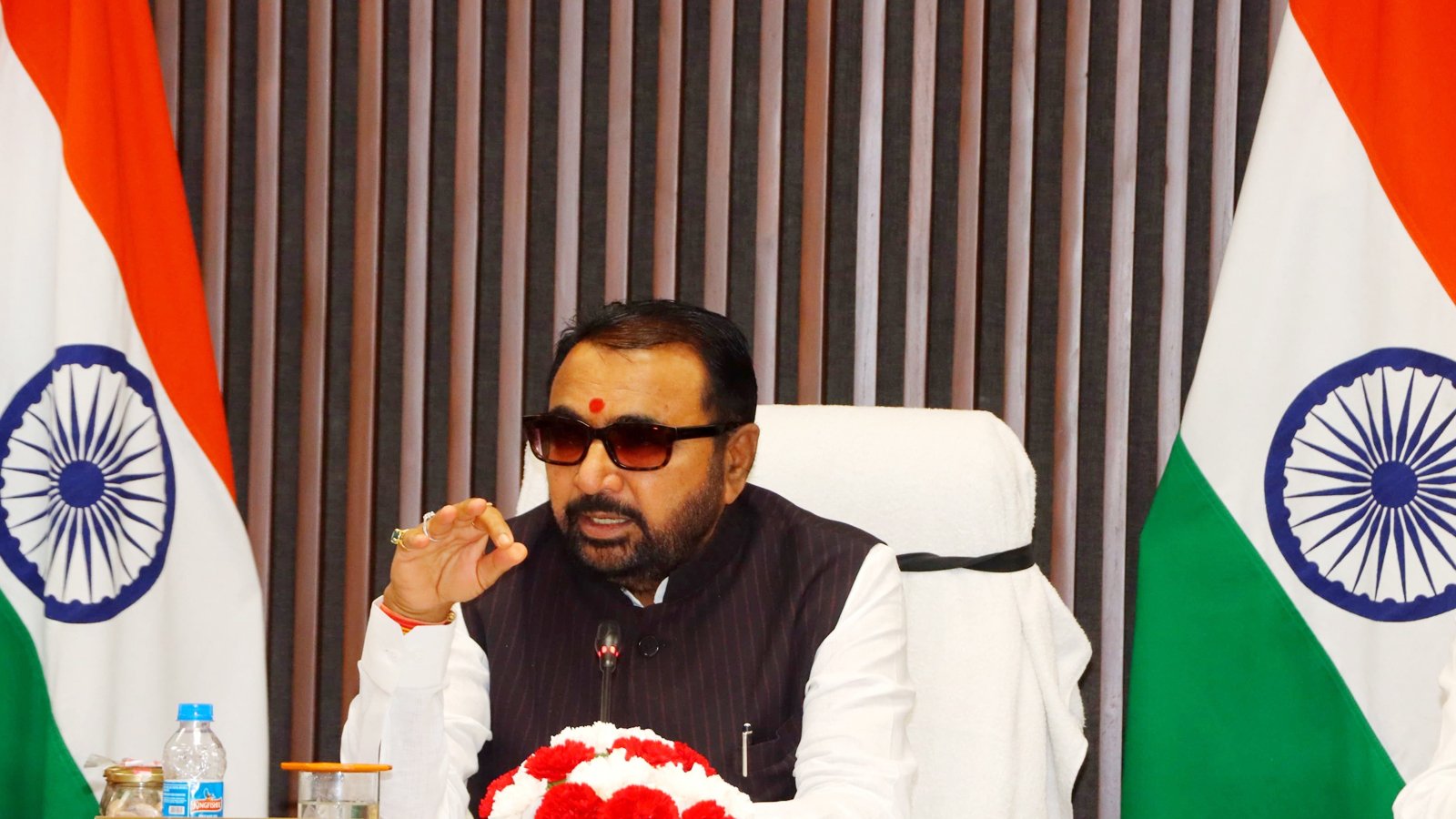
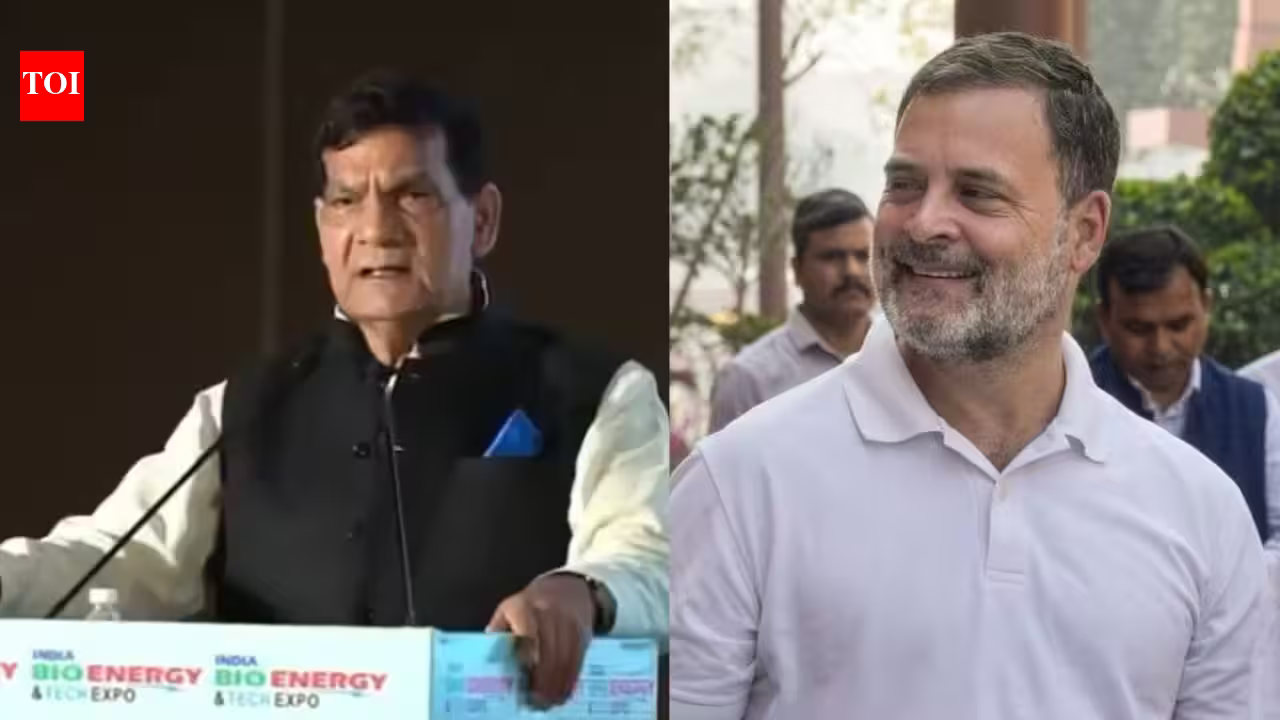
NOIDA: Uttar Pradesh Energy Minister AK Sharma on Tuesday ignited a political debate by publicly challenging Congress leader Rahul Gandhi‘s proficiency in Hindi, offering to cease using the often-derogatory moniker "Pappu" if Gandhi could successfully write "Vishwavidyalaya" in the vernacular. The provocative remarks, made on the sidelines of the India Bioenergy and Tech Expo and the 3rd International Conference and Exhibition on Bioenergy and Technologies in Noida, have swiftly gone viral across social media platforms.
Sharma’s challenge was direct and multi-faceted. "If Rahul Gandhi writes ‘Vishwavidyalaya’ in Hindi, I will stop calling him ‘Pappu’," he declared, setting a clear linguistic hurdle. He further extended the dare, urging Gandhi to demonstrate practical agricultural knowledge. "Take Rahul Gandhi to your farm and ask him to differentiate between a corn field and a sugarcane field. He won’t be able to do so," Sharma asserted, implying a lack of connection with rural realities.
The minister’s criticism didn’t stop at vocabulary and farming. He questioned Gandhi’s understanding of key national institutions, specifically referencing the Indian Institutes of Technology (IIT) and Indian Institutes of Management (IIM). "Rahul Gandhi can’t even tell the full form of IIT and IIM in Hindi. If he does so not English or Italian but in Hindi, I will stop calling him ‘Pappu’," Sharma reiterated, framing the challenge as a test of national identity and linguistic loyalty. These comments highlight a growing trend in Indian politics where language proficiency and perceived cultural understanding are used as proxies for leadership capability.
Beyond the political jousting, Minister Sharma also provided significant updates on Uttar Pradesh’s energy sector. He addressed the ongoing smart meter initiative, acknowledging a temporary pause in installations. "Smart meter is a good technological innovation, like your smartphone. It’s very transparent, it’s a very scientific instrument but we need time to explain to the consumers," Sharma explained. He clarified that the state had intentionally halted further rollouts to dedicate efforts to educating consumers about the technology, its functionality, and the long-term benefits before resuming a wider implementation. This strategic pause indicates a commitment to public engagement and addressing potential concerns surrounding new technologies.
Sharma also celebrated Uttar Pradesh’s impressive strides in solar energy adoption under the PM Surya Ghar Yojana. He proudly announced that the state had ascended to the second position nationally in total installations, trailing only Gujarat. Expressing strong confidence, Sharma projected that Uttar Pradesh would clinch the top spot within a month, demonstrating the state’s ambitious renewable energy goals.
In the burgeoning bioenergy sector, Uttar Pradesh has emerged as a national leader. Sharma revealed that the state is currently the country’s largest producer of compressed biogas (CBG). However, he emphasized the ambition to further increase its share in the national market, underscoring the vast potential within the state. He highlighted the significant raw material base available for CBG production, citing approximately 60 million tonnes of agricultural waste generated annually. Furthermore, Uttar Pradesh’s cities contribute around 15,000 tonnes of daily urban waste, presenting another substantial resource for bioenergy generation.
Capitalizing on these abundant resources and supportive governmental policies, Minister Sharma extended an open invitation to both domestic and international investors. He encouraged them to explore the lucrative opportunities available in Uttar Pradesh’s rapidly expanding bioenergy sector, positioning the state as a prime destination for sustainable energy investments. The convergence of political rhetoric and substantive policy announcements at the event paints a multifaceted picture of Uttar Pradesh’s current trajectory, balancing political challenges with developmental ambitions.