








River Rhine Water Levels Prompt First Nuclear Plant Shutdown Since 2003
Brussels, Belgium – [Date of Publication] – A significant and concerning development has unfolded along Europe’s vital River Rhine, as unprecedented low water levels have forced the impending shutdown of a prominent nuclear power plant. This marks the first such closure since the severe drought of 2003, underscoring the growing impact of climate change on critical infrastructure and energy security across the continent.
The affected facility, whose name has not yet been publicly released by authorities but is understood to be a significant contributor to the regional power grid, relies heavily on the Rhine’s waters for its cooling systems. As the river’s levels have plummeted to historical lows, the plant’s operators have determined that continued operation would be unsafe and potentially environmentally damaging, necessitating a temporary cessation of activity.
"This decision, while difficult, is a necessary measure to ensure the continued safety and integrity of the plant’s operations," stated a spokesperson for the plant’s operating company in a press release. "We are closely monitoring the hydrological situation and will resume operations as soon as river levels allow for safe and efficient cooling."
The current situation bears a striking resemblance to the summer of 2003, when a prolonged and intense heatwave, coupled with minimal rainfall, led to a similar, albeit less widespread, disruption of river-dependent infrastructure. The fact that this scenario is repeating itself with such severity is raising alarms among climate scientists and policymakers.
Experts are pointing to a confluence of factors contributing to the Rhine’s dwindling waters. A dry winter with below-average snowfall in the Alps, which feed many of the Rhine’s tributaries, has been followed by a prolonged period of high temperatures and minimal rainfall across central Europe. This combination has severely reduced water ingress into the river system, leading to the current crisis.
The implications of this shutdown are multifaceted. Economically, the temporary loss of a significant power source could put additional strain on an already volatile European energy market, especially as nations grapple with rising energy costs and the push towards decarbonization. While contingency plans are likely in place, any prolonged closure could necessitate increased reliance on alternative energy sources, potentially including those with higher carbon footprints.
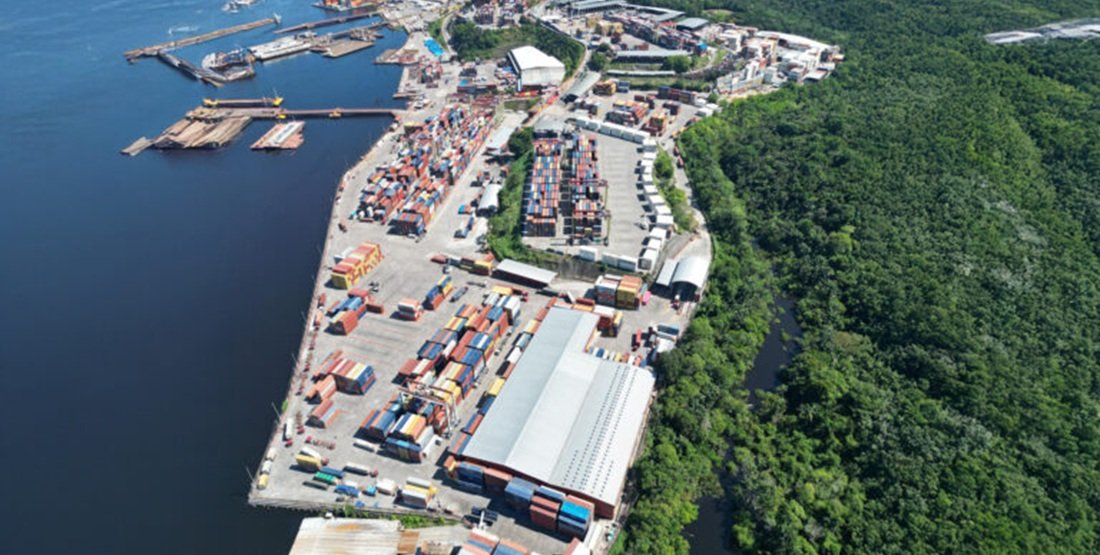
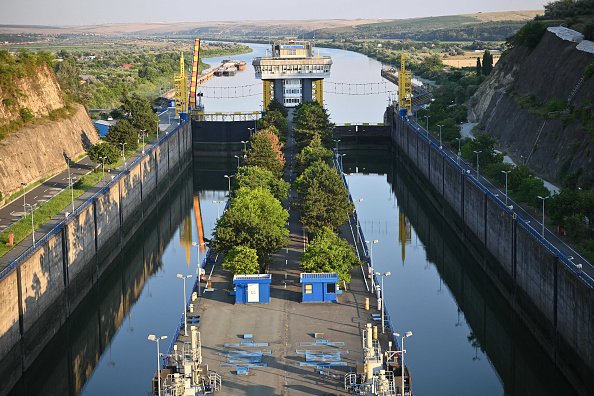
Environmentally, the low water levels are also having a detrimental impact on the Rhine’s delicate ecosystem. Shipping traffic, a crucial artery for European commerce, has already been severely curtailed, with vessels forced to lighten their loads or cease operations altogether. This not only impacts supply chains but also disrupts industries reliant on river transport. Fish populations and other aquatic life are also under severe stress due to increased water temperatures and reduced flow.
Politically, the incident is likely to intensify discussions around climate resilience and adaptation strategies. Governments across Europe have been investing in measures to mitigate the effects of climate change, but the Rhine’s current state serves as a stark reminder of the urgency and scale of the challenge. Investment in water infrastructure, sustainable land management, and proactive climate modeling will be crucial in preventing similar disruptions in the future.
While the exact duration of the plant’s shutdown remains uncertain, depending on meteorological conditions and subsequent river recovery, this event serves as a potent symbol of Europe’s vulnerability to extreme weather events. It underscores the urgent need for robust climate policies and resilient infrastructure to safeguard both energy security and environmental health in an increasingly unpredictable world. The coming weeks will undoubtedly see intense scrutiny of both the immediate operational challenges and the broader implications for Europe’s climate future.