


The Shadow of Conversion Laws: Religious Anxiety Grips Minority Communities
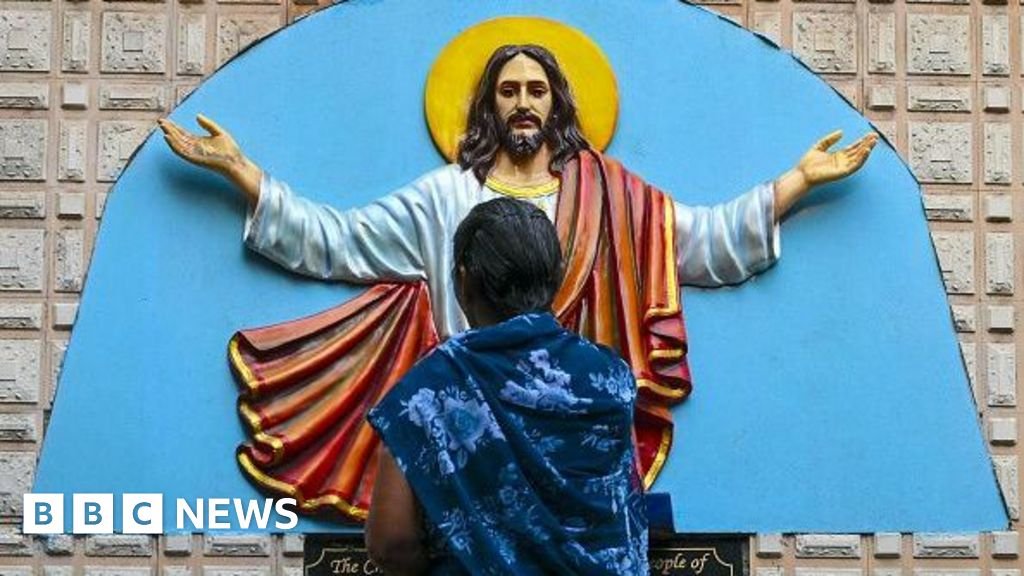
Across several Indian states, the implementation of stringent anti-conversion laws has triggered a palpable sense of unease within minority communities. While these legislative frameworks are technically framed as neutral regulations applicable to all faiths, the practical application and social discourse surrounding them have disproportionately impacted Christian worship centers and institutions.
At the core of this escalating tension is a persistent narrative, championed largely by right-wing organizations, which alleges that vulnerable populations are being systematically coerced, lured, or bribed into abandoning their ancestral faith. These groups argue that such legal measures are a necessary safeguard against predatory proselytization. However, for many religious minorities, these laws serve as a tool for harassment, creating an environment of surveillance that threatens the fundamental right to practice and propagate one’s beliefs.
A Climate of Suspicion
In recent months, reports of disruptions at Sunday prayer services have become increasingly common. Often led by local vigilante groups who arrive with allegations of “forced conversions,” these incidents frequently escalate into confrontations before authorities even conduct an inquiry. The mere suspicion of illegal conversion has become a catalyst for social friction, turning neighbors against one another and leaving congregants fearful of gathering for communal worship.
“There is an atmosphere of constant scrutiny,” says a community representative from a rural district in central India. “Every time we gather to pray or organize a community outreach program, there is a lingering fear that someone might film us or call the police with unsubstantiated claims. It feels as if our basic religious identity is being treated as a criminal act.”
Legal Hurdles and Social Friction
The legal mechanisms governing these conversions often require individuals to undergo bureaucratic processes to prove that their change of faith was entirely voluntary. Critics argue that the burden of proof placed on the individual, combined with the intervention of state machinery, effectively restricts freedom of choice. Furthermore, the ambiguity in how “inducement” is defined in these statutes allows for broad interpretations, which detractors claim are routinely weaponized to target Christian charity work, such as educational initiatives or healthcare clinics.
Right-wing factions, meanwhile, maintain that the laws are essential for maintaining social harmony. They argue that the influx of foreign funding for various religious missions is tied to aggressive evangelism that disrupts the social fabric. By demanding stricter oversight, they claim they are protecting the “purity” of cultural and religious traditions from what they describe as systematic manipulation.
The Broader Implications for Secularism
The debate highlights a deep-seated philosophical divide regarding the nature of secularism in India. While the state maintains that it must intervene to prevent exploitation, constitutional experts point out that Article 25 of the Constitution explicitly guarantees the right to profess, practice, and propagate religion. When the state begins to police the motives behind personal spiritual shifts, it risks overstepping the boundaries of personal liberty.
As the legal battles surrounding these statutes move through the judicial system, the social impact is already clear. The institutionalized suspicion has forced many religious organizations to curtail their public activities, choosing silence over the risk of legal entanglements. For many Christians in these regions, the struggle is no longer just about the theology of their faith, but about their right to exist and worship in a public space that is becoming increasingly hostile to their presence.
Ultimately, the friction caused by these laws serves as a barometer for the state of communal relations in India, reflecting a growing struggle to reconcile individual freedom with the shifting priorities of regional governance.
Disclaimer: This content is auto-generated for informational purposes only.
Source: Read Original News