








India’s ambitious drive towards industrialization, coupled with a rapidly expanding population and the burgeoning demands of artificial intelligence and data centers, is placing unprecedented strain on its national power grid. The country, already grappling with the complexities of climate change, faces a critical juncture in ensuring a reliable and sustainable energy future. The escalating need for electricity is not merely a consequence of economic growth but also a direct reflection of changing societal patterns and technological advancements.
The country’s energy grid buildout is under intense pressure to modernize and expand at an accelerated pace. Projections indicate a substantial increase in energy consumption, driven in part by the proliferation of energy-intensive data centers and the widespread adoption of AI technologies. These demands are superimposed on an already complex system that is working to electrify rural areas and meet the growing power needs of urban centers. The sheer scale of this undertaking presents significant engineering and financial challenges.
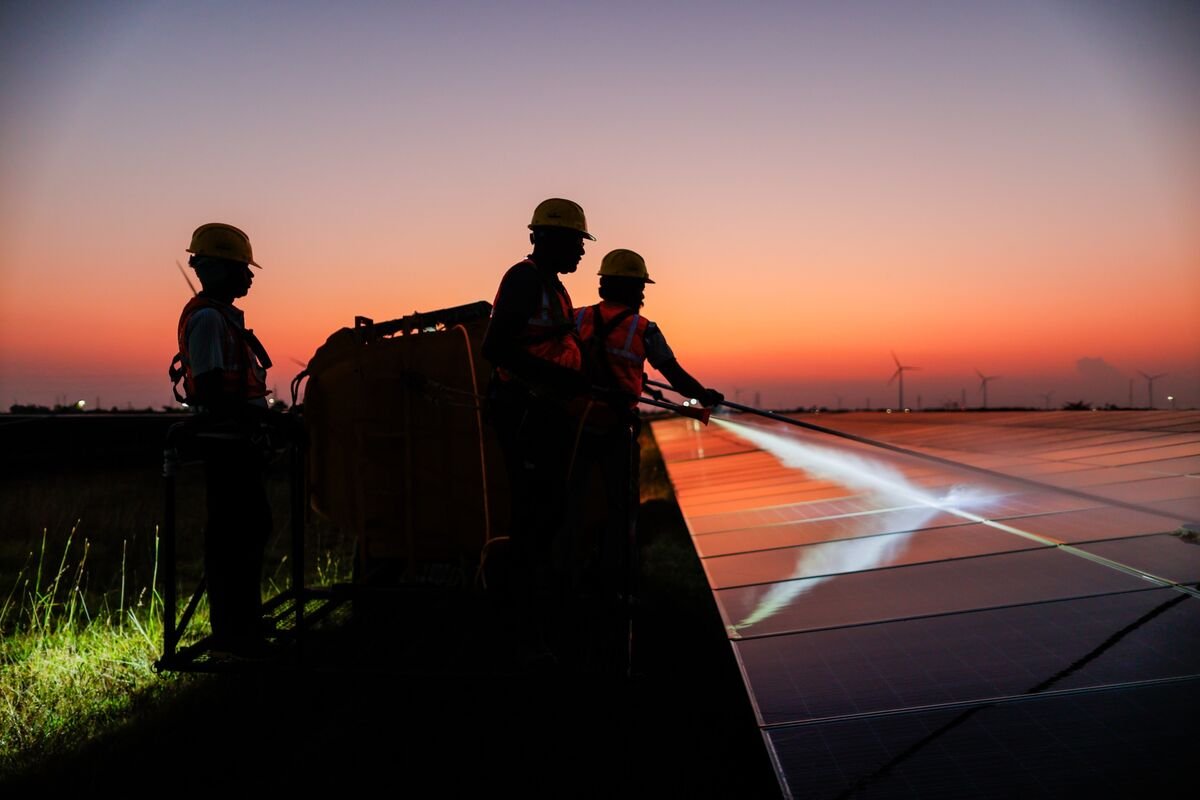
Furthermore, the impact of climate change is undeniable, manifesting in more frequent and intense heatwaves that push the grid to its limits as air conditioning usage soars. This erratic weather patterns also disrupt hydropower generation and can strain transmission infrastructure. Addressing these interconnected issues requires a multi-faceted approach, encompassing investments in renewable energy sources, smart grid technologies, and enhanced energy storage solutions. Without these strategic interventions, the risk of power outages and grid instability will continue to rise, potentially hindering India’s economic progress and impacting the daily lives of millions. The long-term stability and resilience of the nation’s energy infrastructure are paramount for its sustained development, and the current challenges highlight the urgency of a comprehensive and forward-thinking energy policy for India news.