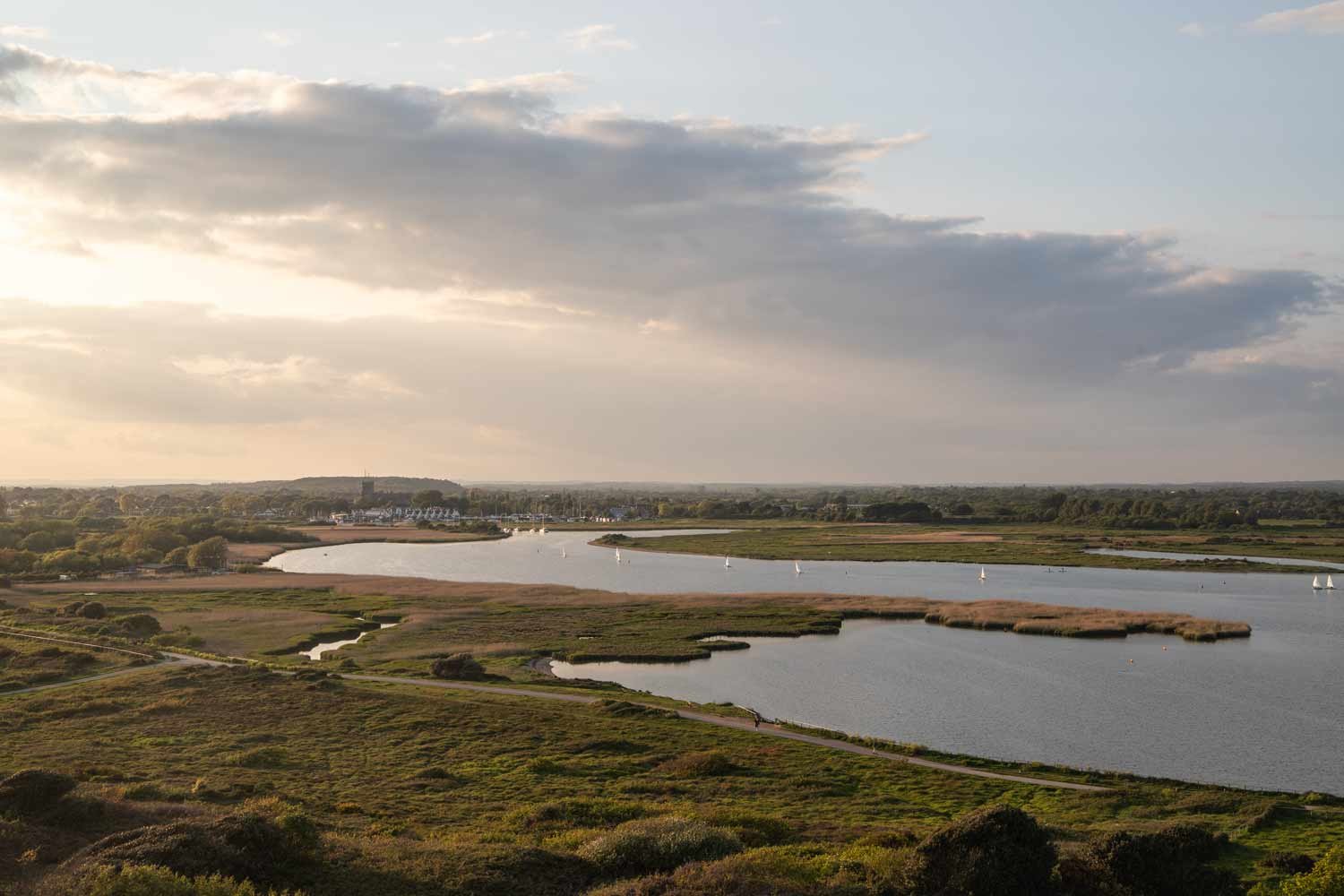








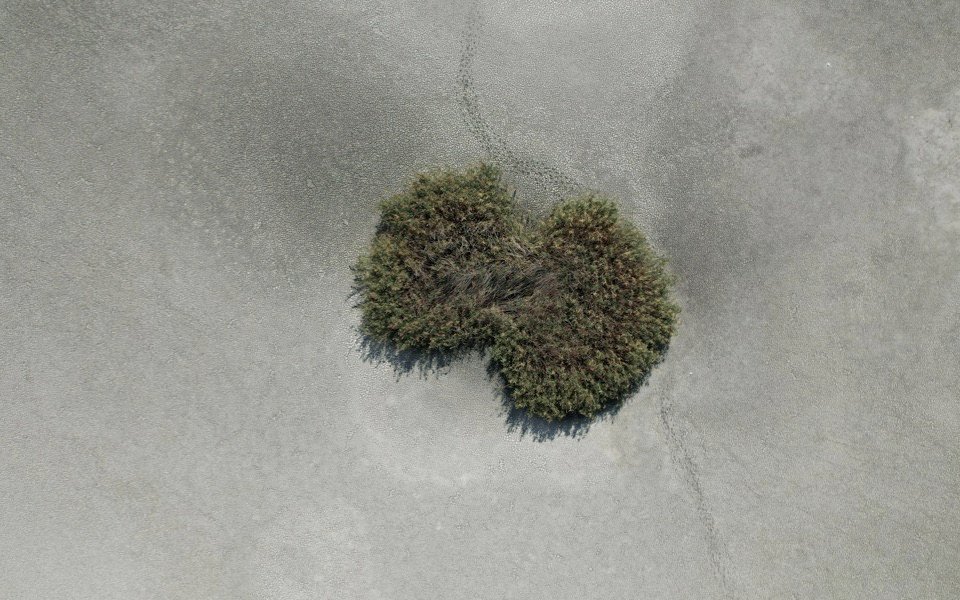
The once-vibrant landscape of Lake Koroneia in northern Greece, a sanctuary for thousands of migratory birds and a pillar of the local agricultural economy, has been reduced to a desolate, cracked mud plain. What was once the fifth-largest lake in Greece has shrunk to less than a tenth of its original size, serving as a grim testament to the accelerating impacts of climate change and unsustainable water management in the Mediterranean.
Satellite data from the National Observatory of Athens paints a sobering picture of the environmental collapse. In 2016, the lake spanned 34.4 square kilometers; today, that figure has plummeted to just 2.7 square kilometers. The majestic body of water, which once attracted tourists, fishermen, and diverse wildlife including flocks of flamingos, has been replaced by a series of stagnant, murky ponds surrounded by miles of bleached, dry earth.
The crisis is rooted in a prolonged cycle of meteorological shifts. According to Dimitris Papadimos, head of water resources management and climate change at the National Wetland Center, the region has seen a drastic drop in annual rainfall. Over the past five years, the catchment area has received an average of only 400 millimeters of rain, roughly 150 millimeters less than in previous decades. This lack of recharge, combined with rising temperatures that have increased the annual evaporation rate by up to 150 millimeters, has essentially starved the basin of its necessary moisture, drying up the very springs that once fed the lake.
However, environmental experts and local officials acknowledge that the decline is not solely a product of the changing climate. The human toll on the lake has been heavy, as the area’s agricultural sector continues to grapple with water scarcity. Desperate farmers have turned to the lake as an emergency reservoir, installing large-scale pumping systems to irrigate crops and water cattle. The sight of irrigation pipes snaking across the sun-baked lake bed has become a common, if controversial, fixture of the landscape.
“We knew the lake in its good days, with fishermen, with plenty of water, a wonderful park, and beautiful scenes with birds,” said Costas Hatzivoulgaridis, head of the nearby community of Agios Vassilios. “Today, what we see is a disappointment.”
The plight of Lake Koroneia has drawn international scrutiny for years. In 2013, a European Union court ruled that Greece had failed to adequately protect the wetland, citing widespread problems including illegal water drilling, unchecked pollution, and over-irrigation. In response to these ongoing challenges, the Greek Environment Ministry has stated that it is ramping up monitoring efforts to curb illegal water usage. Petros Varelidis, the secretary general for water resources, noted that stricter oversight is now in place to manage the remaining water and mitigate the pressure placed on the basin.
The environmental decline of Lake Koroneia mirrors a broader, continental trend. Across Europe, the summer of 2026 brought heatwaves and drought conditions that saw major rivers and reservoirs reach record-low levels, severely disrupting logistics, commercial shipping, and energy production. As northern Greece continues to face more erratic rainfall and prolonged, scorching summers, the future of the lake remains precarious. Whether the current management strategies will be sufficient to reverse or even stabilize the ecological damage is a question that remains at the forefront of the region’s environmental agenda. For now, the “vanishing” lake serves as an urgent reminder of the fragile relationship between local agriculture, climate stability, and the preservation of vital natural ecosystems.
Disclaimer: This content is auto-generated for informational purposes only.
Source: Read Original News