









A strategic parcel of land located at Cabot Lane in Poole is set to be sold to Wessex Water, a move designed to secure the necessary capital for a comprehensive new harbour protection framework in Christchurch. The decision marks a significant shift in regional land management, prioritising the long-term ecological and structural resilience of one of the south coast’s most vital maritime environments.
The disposal of the council-owned site is being framed as a key financial lever to accelerate the delivery of the harbour protection framework. This initiative aims to address mounting pressures on Christchurch Harbour, which include rising sea levels, increased coastal erosion, and the growing complexity of managing urban water runoff. By unlocking the value of the Cabot Lane asset, the local authority intends to inject immediate funding into coastal engineering projects that are essential for safeguarding the shoreline against climate-induced volatility.
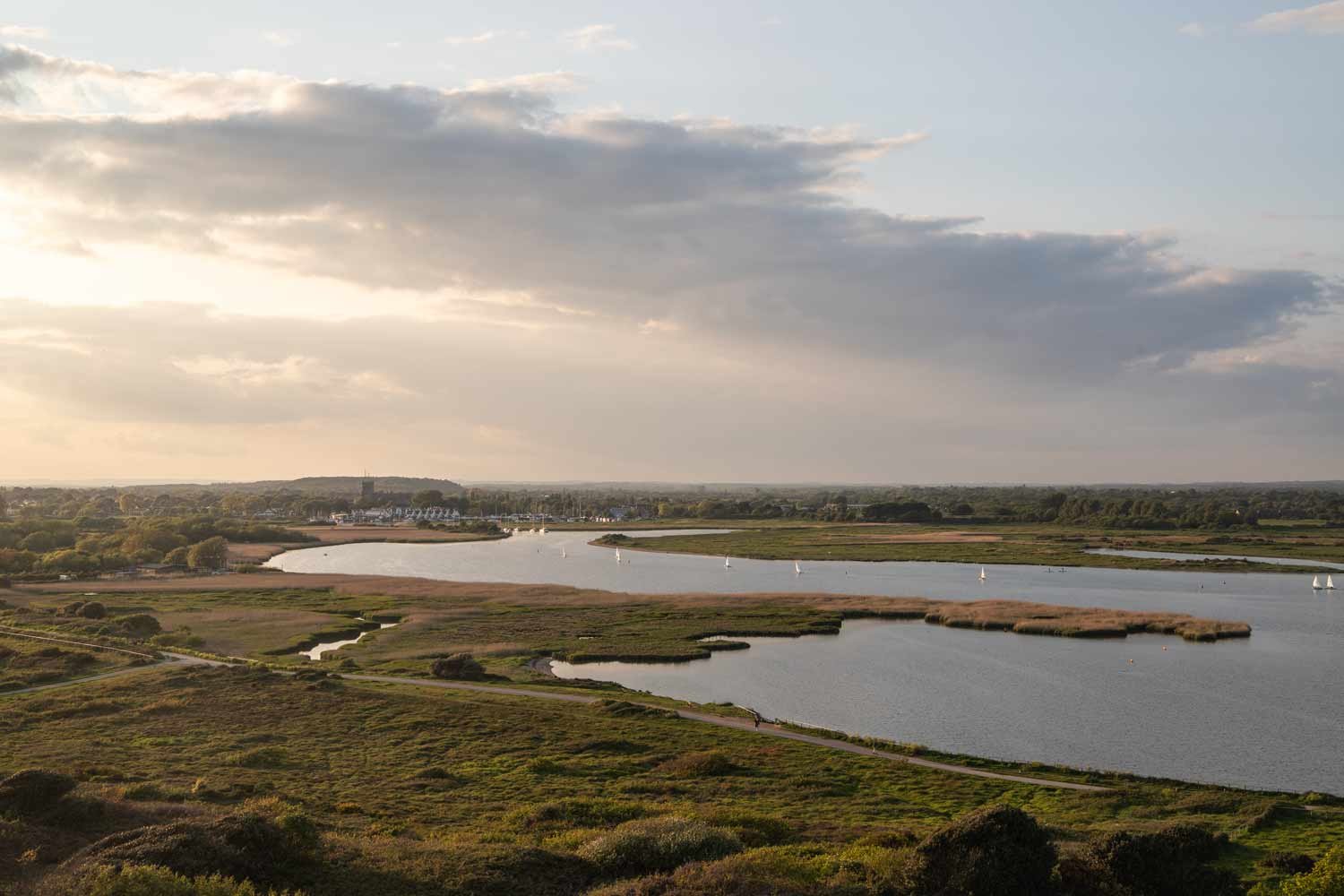
Christchurch Harbour serves as a critical habitat for diverse marine and avian species, as well as a cornerstone for local tourism and recreational boating. However, recent surveys have underscored the vulnerability of the area’s natural defences. The proposed framework intends to integrate sustainable drainage systems, fortified sea walls, and nature-based solutions—such as saltmarsh restoration—to mitigate the risk of flooding for properties and infrastructure bordering the water.
Wessex Water’s acquisition of the Cabot Lane site is expected to be integrated into their wider infrastructure planning. While the utility company has not yet released specific architectural blueprints for the site, the proximity of the land to existing water management networks suggests that the purchase will likely support improved water quality initiatives. Reducing the flow of untreated discharge into the harbour and nearby waterways remains a top priority for environmental regulators, and the development of new facilities at this location could play a pivotal role in meeting stringent legislative environmental targets.
Local environmental stakeholders have largely welcomed the news, noting that the harbour’s long-term viability requires a more robust fiscal commitment than has historically been available. “The harbour is under constant pressure from both anthropogenic use and the environmental realities of climate change,” said a spokesperson for a local coastal advocacy group. “Repurposing underutilised industrial land to fund essential environmental protection is a pragmatic approach. It ensures that the responsibility for safeguarding our maritime assets is shared between public interest and infrastructure providers.”
The transition of the Cabot Lane site is expected to proceed over the coming months as legal and planning documentation is finalised. For the local council, the sale represents a move away from traditional land holdings toward a model of asset recycling, where municipal land is used to generate the liquidity required for essential public works.
While the sale will result in the loss of the site for general industrial use, the trade-off is widely viewed as a necessary step to secure the future of the harbour’s delicate ecosystem. As sea-level projections for the Dorset coast continue to rise, the funding generated from this sale will be directed toward technical modelling and physical works intended to protect both the economic interests of the Poole and Christchurch region and the biodiversity of the harbour itself.
The successful implementation of the harbour protection framework will now hinge on the efficiency of the asset sale and the speed at which these funds can be deployed into critical coastal works. With the maritime landscape undergoing rapid change, local authorities hope this initiative will serve as a template for how land-based assets can be repurposed to confront the mounting challenges of coastal climate adaptation.
Disclaimer: This content is auto-generated for informational purposes only.
Source: Read Original News