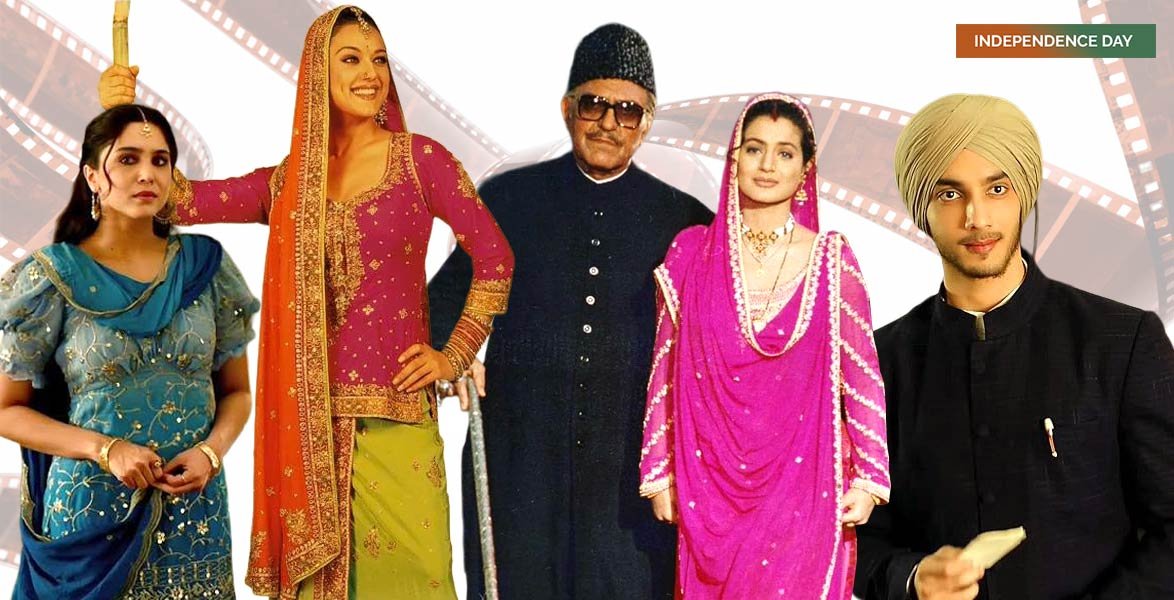








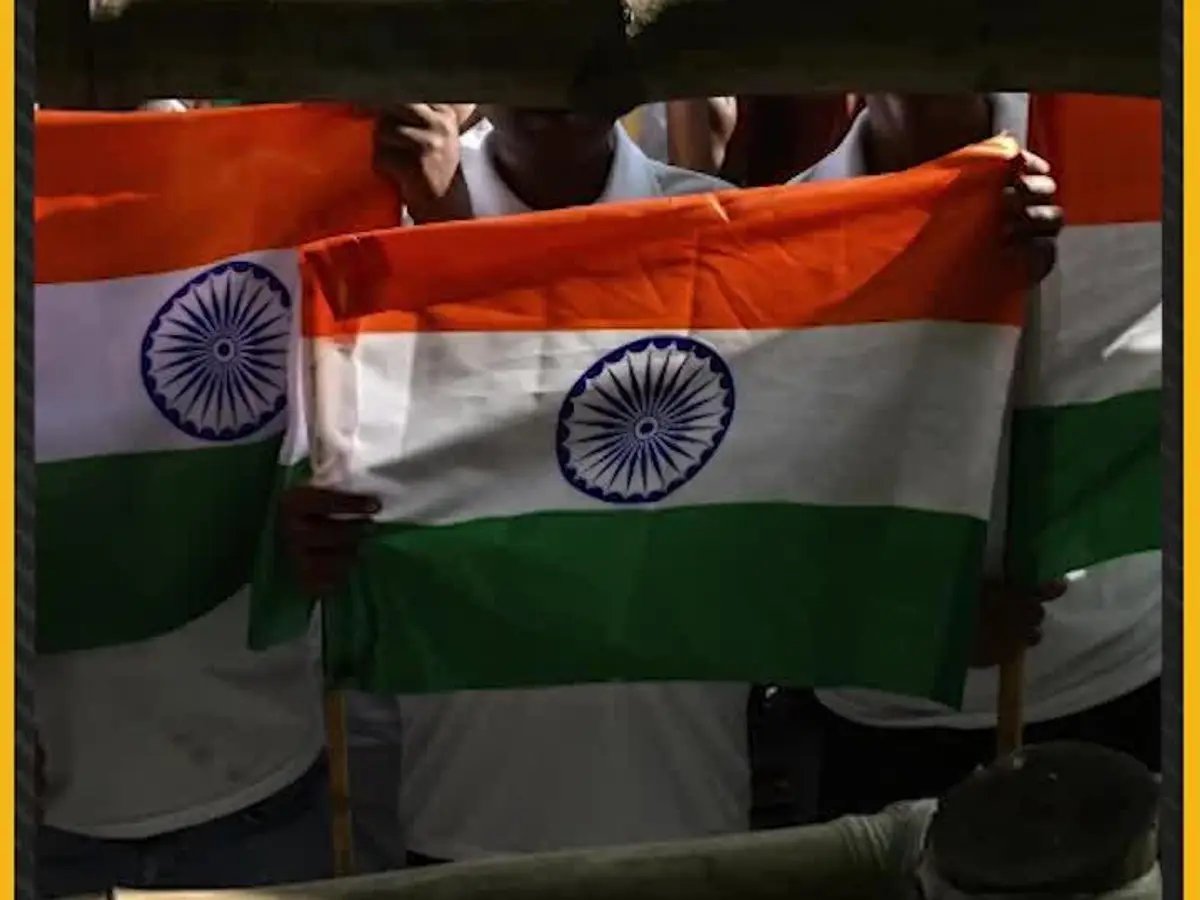
As India awakened to a new dawn of independence on August 15, 1947, a significant cultural event unfolded simultaneously, marking the beginning of a new era not only for the nation but also for its burgeoning film industry. On this momentous day, amidst the jubilant celebrations of newfound freedom, a cinematic milestone was achieved with the release of P.L. Santoshi’s “Shehnai.” This particular film holds the distinction of being the first cinematic offering to grace the screens of an independent India, forever cementing its place in the annals of Hindi cinema history. The very act of releasing a film on such a symbolically potent day underscored the profound connection between art and national identity, demonstrating how storytelling would continue to be a vital part of the nation’s collective consciousness.
Decades later, the legacy of P.L. Santoshi’s pioneering spirit continues through his son, acclaimed filmmaker Rajkumar Santoshi. Now, eighty years after “Shehnai” premiered, Rajkumar Santoshi is set to revisit this pivotal period in Indian history with his upcoming project, “Batwara 1947.” This new film promises to offer a contemporary perspective on the profound impact and enduring consequences of the partition of India in 1947, a historical event that irrevocably shaped the lives of millions. The generational connection between these two filmmakers, bridging the gap from the moment of independence to the present day, creates a compelling narrative arc, highlighting how cinematic storytelling remains a powerful medium for reflecting upon national identity, historical trauma, and the continuous evolution of a vibrant culture. The enduring relevance of this historical juncture and its artistic interpretations underscores the rich tapestry of Indian cinema and its integral role in understanding the nation’s journey since that fateful day of Independence.