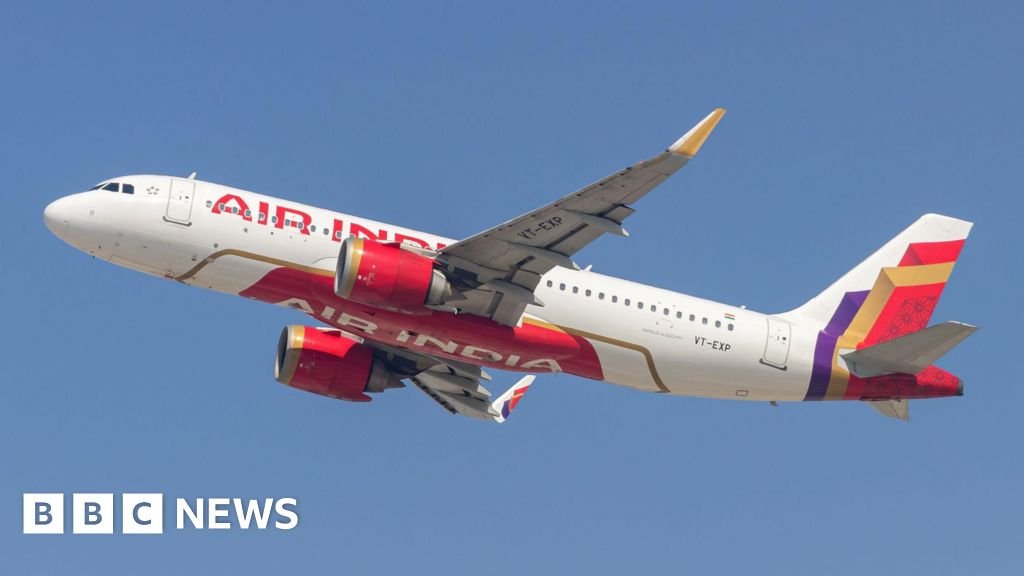









In a pivotal move to bolster aviation safety, Air India will implement mandatory substance testing for all its pilots, including those operating flights for its low-cost subsidiary, Air India Express. This sweeping new policy stems directly from a concerning mid-air incident involving a flight from Phuket to Delhi, which cast a shadow over the airline’s operational integrity. The comprehensive testing regime will systematically screen for an array of substances and medications that are expressly forbidden under stringent aviation regulations, as detailed in an internal company memorandum.
This significant policy shift was catalyzed by an alarming event that transpired on August 4th. An Air India Airbus A320neo, while cruising at altitude over Odisha in eastern India, experienced an abrupt and unexplained loss of approximately 300 feet. This sudden drop resulted in injuries to at least 24 individuals on board. Subsequent investigations revealed a troubling development: the flight’s captain later tested positive for cannabis use in a confirmatory drug test, according to a source with intimate knowledge of the ongoing inquiry.
Air India has publicly stated that this expanded testing initiative is designed to significantly enhance its safety protocols and rebuild confidence among its passengers and other key stakeholders. This proactive measure substantially exceeds the current regulatory framework in India, which only mandates airlines to conduct random screenings for psychoactive substances on a minimum of 10% of their flight crew annually. The airline’s internal memo underscored this commitment, stating, “We nevertheless now feel that it is important to go further,” signaling a clear intent to move beyond minimum compliance.
The implementation of these crucial tests will be integrated into various operational aspects of the airline. Screenings will be conducted during training sessions at Air India’s academy in Gurugram, at briefing centers, and within airline offices post-flight. Furthermore, designated testing locations will be established based on pilots’ home bases to ensure comprehensive coverage and convenience. This policy will be uniformly applied to all pilots, encompassing those employed by Air India Express, ensuring a consistent standard across the group. Air India has not yet issued a response to inquiries regarding the specific details of this new program.
Concurrently, aviation authorities are conducting a thorough investigation into the altitude deviation of the aircraft, which was transporting 137 passengers and eight crew members from the popular Thai tourist destination of Phuket to the Indian capital. While the aircraft safely landed in Delhi, the government had initially characterized the event as a “momentary altitude variation.” Air India’s initial statement attributed the incident to “a brief in-flight turbulence-related event during cruise, resulting in a momentary change in altitude.”
Reports indicate that investigators are scrutinizing the captain’s conduct during the flight, especially after cabin crew members lodged a formal complaint with the airline. This complaint alleged that the captain exhibited signs of not being entirely in control of himself, according to a source close to the investigation. The gravity of the situation led India’s Ministry of Civil Aviation to summon Campbell Wilson, Air India’s chief executive, for discussions regarding the incident. It is a fundamental principle of aviation that the captain bears ultimate authority and legal responsibility for the safe operation of any flight.
The introduction of this airline-wide drug testing program marks a profound expansion of Air India’s existing pilot oversight measures. The previous system, relying on random tests for a fraction of the flight crew, will be supplanted by this new initiative requiring every single pilot to undergo screening. The internal memo did not, however, specify the frequency of individual pilot testing or the precise timeline for the full implementation of this expanded program. Crucially, it also did not detail the potential repercussions for pilots who test positive for prohibited substances.
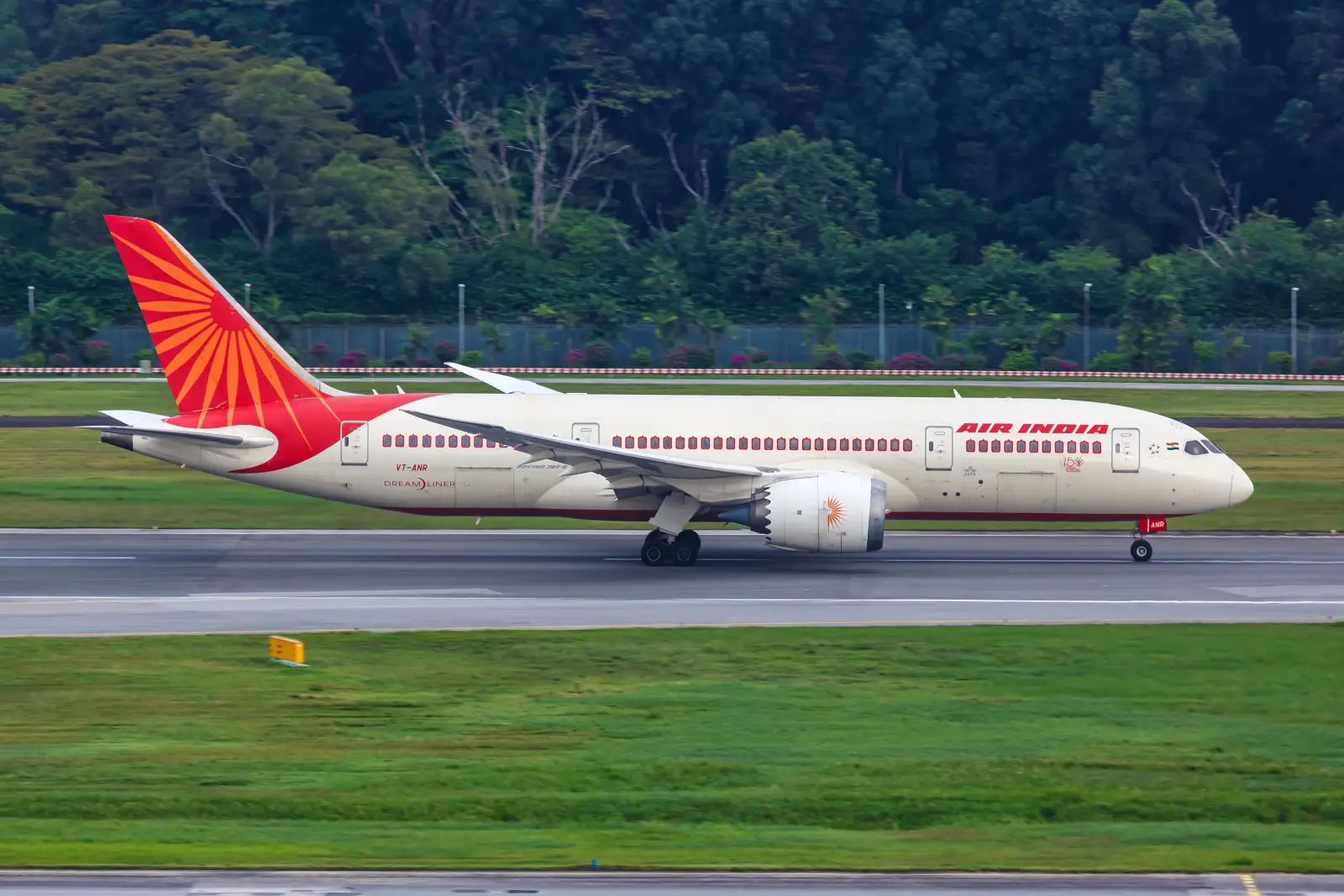
These new drug tests arrive at a time when Air India is under intensified scrutiny concerning its safety practices. Regulatory bodies are presently examining a series of safety-related incidents involving the privately-owned carrier. This scrutiny has been further amplified following a tragic incident in 2025, where an Air India Boeing 787 Dreamliner crashed, resulting in the loss of 260 lives. That disaster triggered a comprehensive investigation into multiple alleged operational lapses and significantly heightened attention on safety standards throughout India’s aviation sector.
The ongoing investigation into the A320neo’s sudden altitude change will be critical in establishing the definitive cause and determining whether the captain’s condition played any contributory role. While Air India initially cited turbulence as the cause, authorities and the airline continue their exhaustive examination of all surrounding circumstances. Air India is predominantly owned by the Tata Group, with Singapore Airlines holding a significant stake of approximately 25% in the carrier.