






The upcoming Annual General Meeting (AGM) for Tata Sons, scheduled for August 18th, is in serious jeopardy due to a regulatory ban imposed on the Sir Ratan Tata Trust (SRTT). During its board meeting on Thursday, the Sir Dorabji Tata Trust (SDTT) determined that it could not, as required by the company’s Articles of Association, jointly nominate a representative with SRTT for the crucial meeting. This inability to secure a joint nomination puts the AGM in a precarious position, as Article 86 of Tata Sons’ Articles mandates the presence of at least five shareholders, including one representative jointly put forward by SDTT and SRTT, for a valid quorum.
Despite this significant hurdle, Tata Sons has expressed its intent to proceed with the AGM as planned. However, the company acknowledges that if the necessary quorum is not met, the meeting will inevitably be adjourned. The challenge is compounded by the fact that even an adjourned meeting would still necessitate the presence of the joint nominee, a requirement SRTT currently cannot fulfill due to the ongoing regulatory restrictions.
The ban, which was imposed by the public charities regulator in May, has had far-reaching consequences for SRTT. Sources close to Noel Tata, chairman of Tata Trusts, indicate that numerous activities at SRTT are in a state of limbo. The trust has been unable to close its accounts, leading to a standstill in grants amounting to a substantial Rs 400 crore. SRTT has formally requested the regulator to lift the ban, highlighting the severe operational disruptions it has caused.
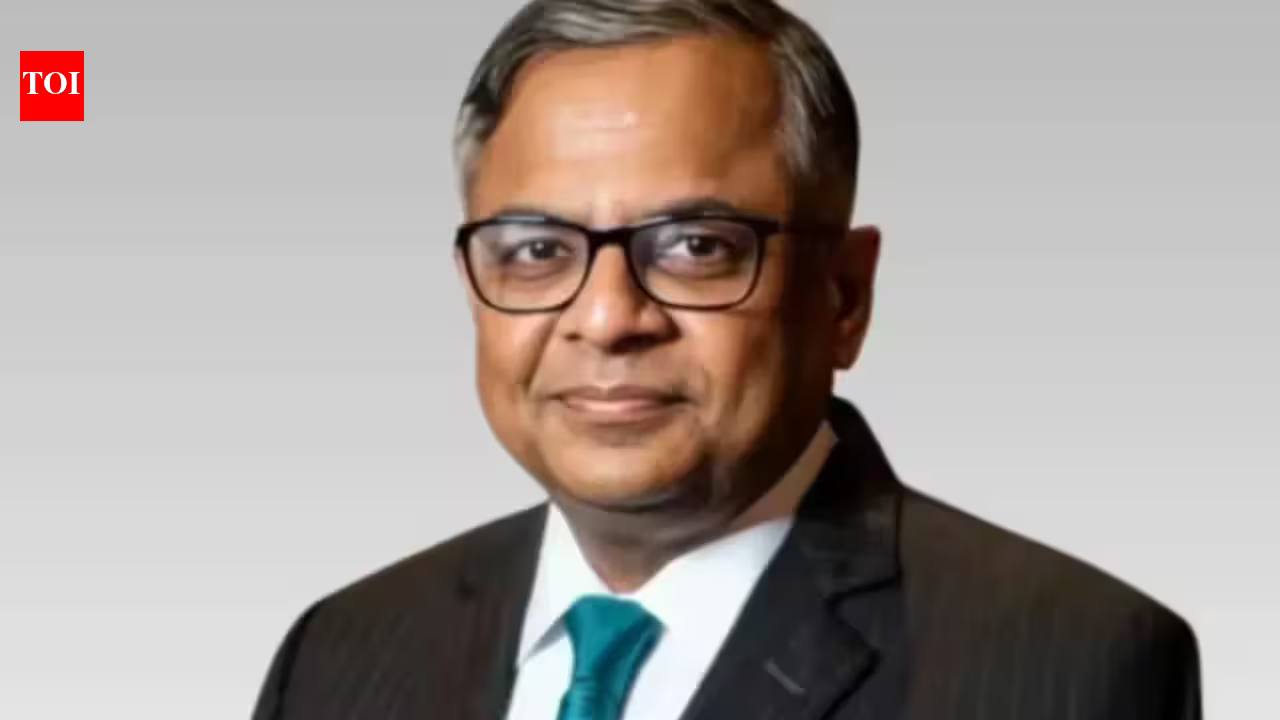
The agenda for the imperiled AGM is critical, encompassing the adoption of the company’s financial statements for FY26, the declaration of a dividend, and the re-appointment of N Chandrasekaran as a director. Chandrasekaran, who currently chairs Tata Sons, is due to retire by rotation. His chairmanship, which extends until February 2027, is contingent upon his continued position as a director. Failure to secure his re-appointment at the AGM would, therefore, effectively end his chairmanship.
The financial health of the Trusts is heavily reliant on dividend income from Tata Sons, which is used to fund their extensive philanthropic initiatives. However, Tata Sons cannot declare a dividend without the joint approval of both SRTT and SDTT, further underscoring the impasse created by the regulatory ban. Under existing regulations, Tata Sons has the option to extend the AGM until September 30th and can subsequently seek permission for an additional three-month extension, pushing the deadline to December.
Beyond the pressing issues related to the Tata Sons AGM, the SDTT board also conducted its regular business, approving its accounts and reviewing ongoing philanthropic projects. Separately, the Tata Education and Development Trust convened on the same day to discuss grants aimed at supporting low-income communities in Odisha. Meanwhile, SRTT is set to experience a change in its board as trustee Vijay Singh’s tenure concludes today. With the trust still under regulatory constraints, Singh is not seeking re-appointment, adding another layer of complexity to the challenges currently faced by the institution.