




In a recent display of fervent civic engagement, Gen Z protesters converged at Jantar Mantar, their placards bearing a powerful message: “Koi bhi desh perfect nahi hota. Usse perfect banana padta hai.” This resonant dialogue, originating from Rakeysh Omprakash Mehra’s critically acclaimed 2006 film Rang De Basanti, has profoundly shaped the discourse surrounding civic duty among India’s youth. Film writers observe that on the streets, this particular line has been imbued with a renewed sense of purpose and relevance.
As India prepares to commemorate its 80th Independence Day, an inquiry was extended to screenwriters, directors, and lyricists, seeking to identify the one patriotic dialogue that has etched itself permanently into their consciousness. Their responses traversed a rich cinematic landscape, spanning from the poignant Garam Hawa and the historical gravitas of Haqeeqat, to the iconic Chak De! India, released almost two decades ago in 2007. These selections, articulated by characters as diverse as a soldier, a hockey coach, and a journalist, underscore the multifaceted nature of patriotism. The choices made by these creative voices reveal a common thread: the enduring dialogues are those that speak to the reciprocal relationship between citizens and their nation – emphasizing the citizens’ willingness to question, participate, and contribute to national progress, and the country’s implicit obligation to its people.
Perhaps this is why these dialogues consistently resurface, long after the final credits have rolled. They manifest not only on significant occasions like Independence Day but also permeate everyday conversations, school plays, and protest placards. They emerge whenever the nation collectively pauses to contemplate its identity and aspirations.
The lyricist Raj Shekhar, General Secretary of the Screenwriters Association of India, finds particular resonance in a dialogue from M.S. Sathyu’s 1974 film Garam Hawa: "Chalo, chalo Pyare Lal, nayi-nayi azaadi mili hai, toh sab iska apne-apne hisaab se matlab nikaal rahe hain." He explains that in this scene, as Pyare Lal disputes a tonga driver’s fare, Salim Mirza intervenes with this profound observation. Shekhar appreciates how this seemingly simple exchange encapsulates the varied interpretations of newly gained independence and poses a crucial question about what freedom truly signifies for different individuals.
Charudutt Acharya, President of the Screenwriters Association of India, highlights the lyrical prowess of Shri Bharat Vyas from the 1959 film Navrang: "Naa raaja rahega, naa raani rahegi yeh duniya hai faani faani rahegi, naa jab ek bhi jindgani rahegi toh mati sabhi ki kahaani kahegi." While technically lyrics, Acharya perceives them as dialogue due to their contextual integration within the film, where a British soldier’s remark prompts the bard to sing these lines as a direct rebuttal. He cherishes these words for their universal truth, positing that rulers and ideologies are transient, while the land itself remains an impartial, silent chronicler of history. For Acharya, this resonates as patriotic because it evokes India’s ancient and inclusive civilization, which has absorbed diverse influences. He views these lines as a powerful plea against the hubris of those in authority, fostering a profound connection to the essence of the nation.
Bharat Bala, writer and producer of Virtual Bharat, is deeply moved by a line from Swades: "Main nahin maanta hamaara desh duniya ka sabse mahaan desh hai. Lekin yeh zaroor maanta hoon ki hum mein qaabiliyat hai, taaqat hai, apne desh ko mahaan banaane ki.” He asserts its timeless truth, relevant yesterday, today, and tomorrow. Bala emphasizes that India, a young nation with an ancient soul, possesses immense potential despite its vast challenges. He believes true patriotism lies not in an uncritical assertion of greatness, but in the daily commitment to making the nation better, urging continuous evolution and problem-solving. This dialogue, he states, instills not just pride, but a call to active participation. Producer Vikas Kumar echoes this sentiment, finding the dialogue’s emphasis on responsibility over mere rhetoric particularly compelling. For him, patriotism is about contributing, questioning, and caring enough to instigate positive change, a sentiment that remains remarkably pertinent today.
Shibani Bathija, writer of My Name Is Khan, finds meaning in the dialogue from Haqeeqat: "Yeh hamara desh, yeh Buddh, Ashok, Gandhi, aur Nehru ka desh hai … shanti ka pujari zaroor hai, lekin buzdili ka kayal nahi." She appreciates how it connects the essence of being Indian with the principles and legacies of towering figures like Buddha, Ashoka, Gandhi, and Nehru.
Kallol Mukherjee, a documentary filmmaker and director of Herland, champions the aforementioned dialogue from Rang De Basanti: “Koi bhi desh perfect nahi hota. Usse perfect banana padta hai.” For him, this dialogue encapsulates the true meaning of patriotism, emphasizing that a nation is built not solely by its government, but by its people, who, in a democracy like India, are vital stakeholders. He highlights the inspiring activism of Gen Z, from Jharkhand to Jantar Mantar, as a testament to this spirit, demonstrating a willingness to voice concerns, demand accountability, and actively work for change. Mukherjee believes India constantly challenges its citizens to act, reminding them that change is an active participation, not a passive wait. This proactive engagement, he concludes, is the very definition of patriotism – the courage to strive for a better India, rather than expecting a flawless one.
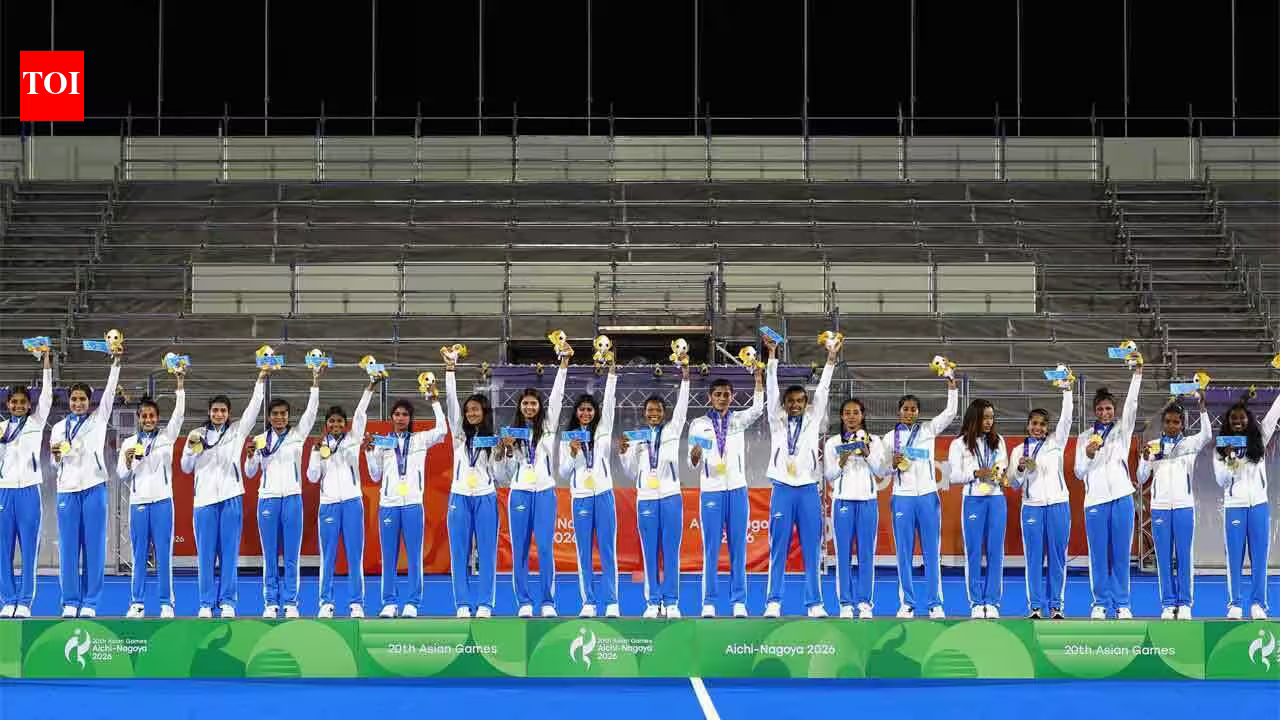
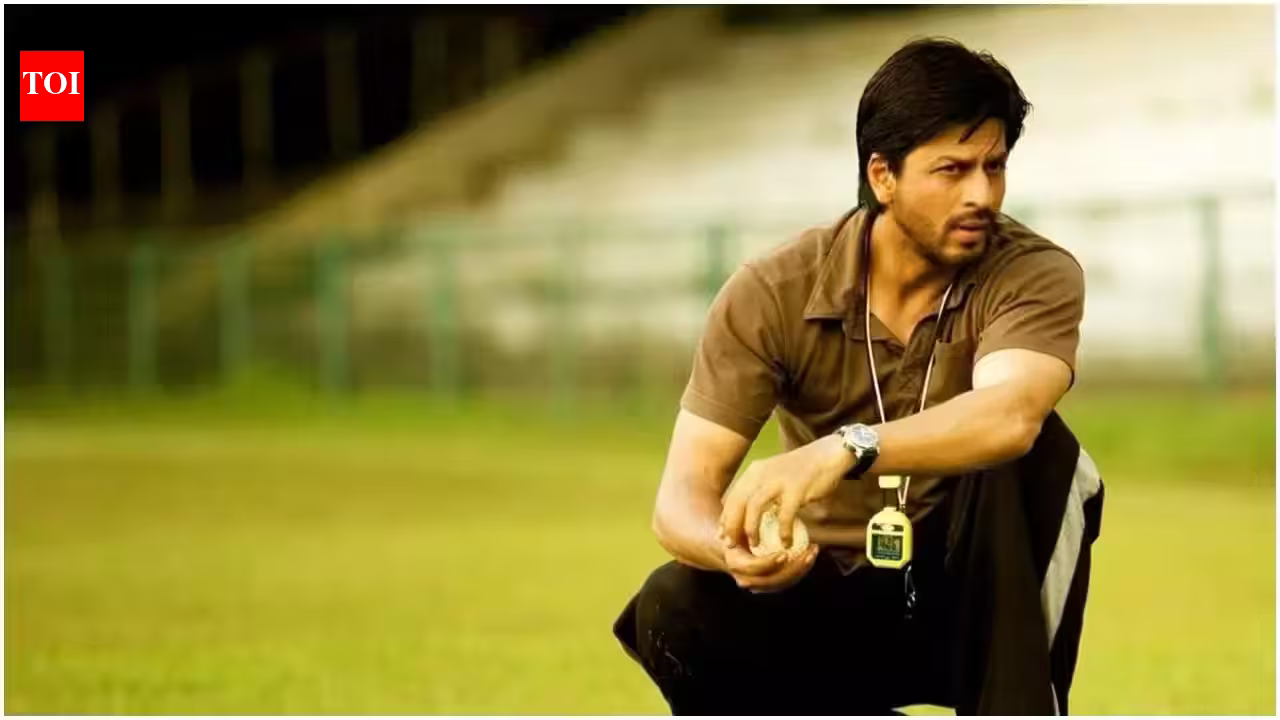
Vibha Singh, screenplay writer of The Test Case, underscores the profound message of unity embedded in a dialogue from Chak De! India: "Mujhe states ke naam na sunai dete hain na dikhai dete hain. Sirf ek mulk ka naam sunai deta hai- INDIA." In a world increasingly defined by division and the "us versus them" mentality, where distinctions of caste, class, color, gender, and ideology fuel discrimination, this dialogue, she asserts, powerfully advocates for unity. It fosters togetherness, love, and national pride, offering an inclusive narrative that is more critical than ever. Sudeep Nigam, writer of Avrodh: The Siege Within, further elaborates on the enduring impact of this statement, emphasizing its focus on secularism and unity – urgent necessities in contemporary society. He sees it as a vital reminder of the nation’s foundational principles: that despite diverse states, religions, and castes, all are Indians, and this collective identity is the unity required.
Abhijeet Deshpande, a seasoned writer, praises a scene from Gadar for its masterful craftsmanship and the iconic dialogue: "Hindustan Zindabad tha, zindabad hai, aur zindabad rahega." He recounts the sequence where Tara Singh, an innocent and honest Sikh truck driver, crosses into Pakistan. When insulted and pressured to utter "Pakistan zindabad," he readily complies. However, when ordered to denounce India with "Hindustan murdabad," he defiantly proclaims the enduring spirit of India, even amidst those who seek his harm. For Deshpande, Tara Singh embodies the true ethos of an Indian – someone who holds no animosity towards other nations, is not expansionist, yet is immensely proud of their Indian heritage. He considers this scene and dialogue a perfect encapsulation of what it means to be Indian, making it a recurring point of analysis in his screenwriting workshops.
Kapil Mattoo, writer-director of Tasrufdar, also acknowledges the lasting impression of "Shaheedon ki chitaon par lagenge har baras mele, watan par mitne walon ka yahi baaki Nissan hoga" from Shaheed (1965). He also mentions the aforementioned Gadar dialogue, along with memorable lines from Border and Swades, as deeply ingrained in his memory.
Mahmood Farooqui, co-director of Peepli Live, finds historical resonance in a voice-over from Mughal-e-Azam: “Main Hindustan hoon, Himalaya meri sarhadon ka nigehbaan hai, Ganga meri pavitrata ki saugandh…" This dialogue, penned by Zeenat Aman’s father, Amanullah Khan, is presented over a map of undivided India. Farooqui appreciates how it portrays Akbar as a great patriot who cherished India irrespective of religious, customary, or faith differences, seeing people simply as human beings and Indians. He is drawn to this inclusive vision of India, finding it deeply patriotic. The imagery of the Himalayas as a guardian resonates with the ancient Sanskrit shloka from the Vishnu Purana that defines Bharat: “Uttaram yatsamudrasya Himadreshchaiva dakshinam, varsham tad Bharatam nama Bharati yatra santatih.”
Puneet Sharma, lyricist for Sanju, highlights a dialogue from New Delhi Times (1986) that, while not overtly patriotic, embodies the essence of his understanding of patriotism: "Main likhta hoon sirf isliye kyunki logon ko sacchai jaan ne ka haq hai, aur un tak sachchai ko pahunchana mera farz hai." As a writer, Sharma believes that writers serve as chroniclers of their times, and often, as journalists in their own right. He asserts that telling the truth, challenging power, and enabling people to perceive their reality with clarity constitutes a profound form of service to one’s country. These diverse perspectives from India’s creative community demonstrate that patriotic dialogues in Hindi cinema are not merely jingoistic pronouncements, but nuanced reflections on duty, unity, self-improvement, and the enduring spirit of the nation, prompting introspection and action among its citizens.