







Addressing Visual Fidelity Through Hotfix 5.00c
CD Projekt Red has deployed hotfix 5.00c for the PC version of The Witcher 3: Wild Hunt Remastered, marking the second significant update in less than a week. This iterative release follows the major next-generation overhaul launched recently, which sought to bring the 2015 title up to modern graphical standards. While the initial remaster introduced significant technical advancements such as ray tracing, high-definition textures, and new camera perspectives, it also introduced several unintended visual inconsistencies that surfaced immediately upon player deployment.
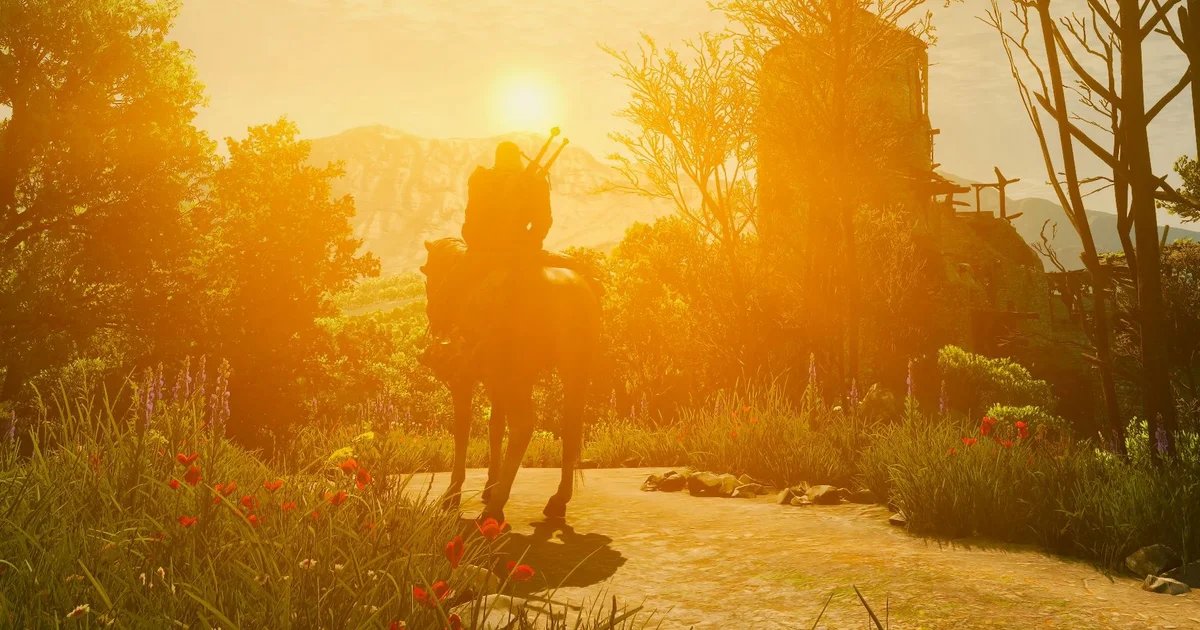
The primary focus of this hotfix is the province of Velen, a location that drew substantial criticism regarding its global illumination and saturation levels post-update. The developers have implemented precise adjustments to Bloom effects, vegetation lighting, and the complex calculations governing Path Tracing. By recalibrating these parameters, the update aims to restore the intended atmospheric depth that players felt was diminished by the initial overhaul, ensuring that the game’s transition to high-end lighting models does not compromise the original artistic direction.
Technical Refinements in Rendering and HairWorks
Beyond the general lighting adjustments, the technical team has addressed a regression involving Nvidia HairWorks. Following the installation of the initial remaster, many users reported that enabling this feature resulted in severe performance degradation and erratic visual artifacts. The hotfix 5.00c reverts the specific code changes that caused these incompatibilities, effectively stabilizing frame rates for those relying on high-end PC hardware.
This correction highlights the delicate balance required when modernizing legacy assets. HairWorks, which dynamically calculates individual hair strands for Geralt and various monsters, interacts heavily with the GPU’s tessellation capabilities. When the new rendering pipeline was introduced in the remaster, it inadvertently broke the synchronization between these legacy hair assets and the updated engine. By rolling back to a more stable implementation, CD Projekt Red has restored both the fluid performance and the intended visual fidelity of character models, ensuring that the game remains playable on a wider range of hardware configurations.
Resolving Audio and System Stability Errors
In addition to visual enhancements, the update targets critical quality-of-life bugs that impeded basic gameplay. One of the more disruptive issues involved the audio mix; users frequently reported that voiceover volume would drop significantly in comparison to environmental sound effects after navigating the pause menu. This bug created a jarring experience, often rendering dialogue unintelligible during story-critical cutscenes that occurred immediately after menu interaction. The hotfix identifies and rectifies the underlying logic error responsible for this attenuation.
Furthermore, the update addresses a persistent file management issue related to the Windows Documents folder. Players whose file paths contained special characters previously found themselves unable to save or load their progress. As The Witcher 3 relies on the Documents directory to store save files and configuration data, this conflict prevented the engine from successfully writing or reading binary data. By improving how the engine parses file paths, the development team has ensured that users with localized or non-ASCII characters in their file directory structures can finally engage with the save system without failure.
Improving Platform-Specific Functionality
The update also extends its reach to platform-specific ecosystem issues, particularly for users on the GOG platform. Before this patch, players encountered a synchronization error where in-game achievements were being earned but failing to register or appear in the launcher’s unlocked list. This discrepancy caused frustration for completionists, as the platform failed to acknowledge the metadata sent by the game client. Hotfix 5.00c bridges this communication gap between the game’s trigger events and the GOG Galaxy backend.
Additionally, the team addressed a critical launch error that prevented some users from accessing the Classic 1.32 version of the game. For players who may not possess the hardware required for the demanding Ray Tracing or Ultra+ settings of the remastered edition, the ability to fall back on the original code base is vital. By ensuring that the Classic launcher remains fully operational, CD Projekt Red maintains support for the player base that prioritizes technical stability and high frame rates over the modern graphical enhancements found in the remaster.
The Impact of Iterative Development on Legacy Titles
The deployment of 5.00c underscores the complexity of “remastering” an open-world title that has undergone years of technical updates and community-driven modifications. The Witcher 3 Remastered is a comprehensive project, encompassing not just visual overhauls but also altered enemy behavior, modified skill trees, and rebalanced animation sets. Such a wide-reaching modification package inherently carries the risk of unforeseen side effects, particularly when interacting with varying PC hardware ecosystems.
By releasing these rapid-fire hotfixes, the developers are adopting a responsive development cycle. This approach allows the studio to address high-priority stability concerns without delaying the overall rollout of the update. As the industry moves toward more frequent visual refreshes of older titles, the success of this remaster depends on the studio’s ability to listen to specific performance telemetry data and community feedback. The combination of targeted visual fixes in Velen and the resolution of deeper system-level errors suggests that while the initial launch faced turbulence, the ongoing development process is successfully aligning the remastered vision with the technical requirements of the PC audience. This level of post-launch maintenance, provided years after the original title’s debut, remains a rare and significant commitment to technical preservation.
Disclaimer: This content is auto-generated for informational purposes only.
Source: Read Original News