







Youth-Led ‘Cockroach’ Movement Sweeps India Amid Voter Purge Crisis
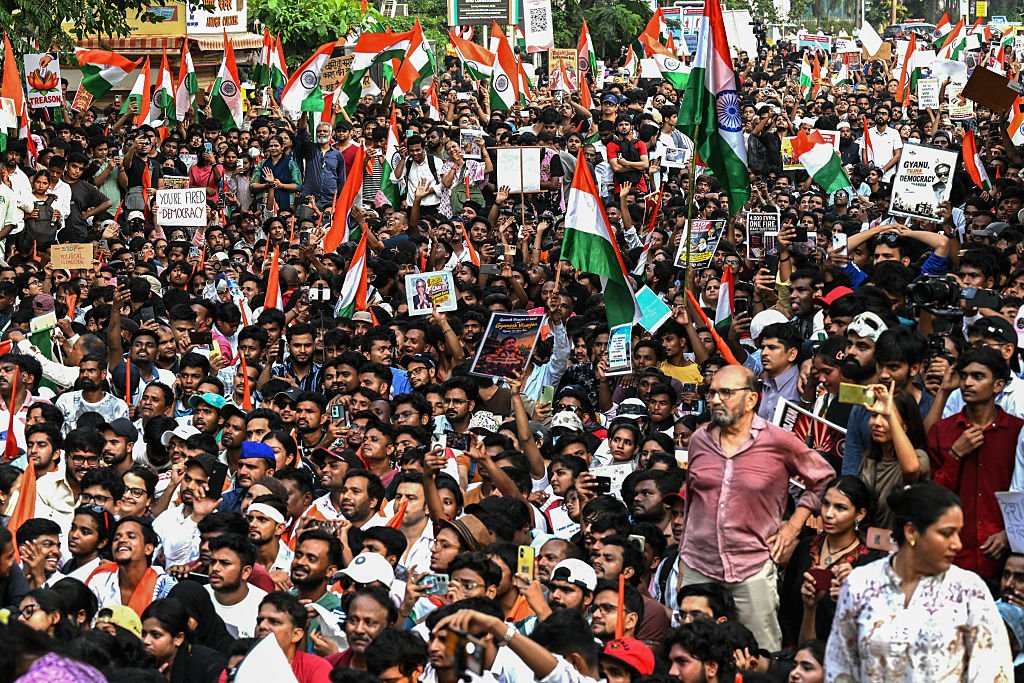
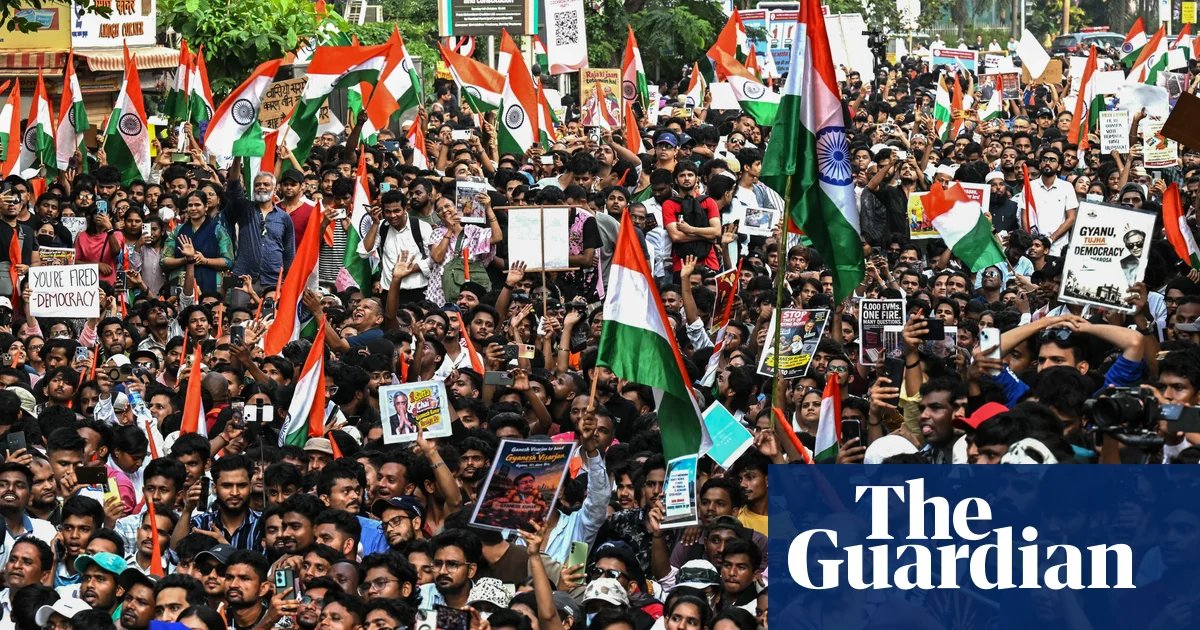
The streets of Mumbai witnessed a powerful surge of dissent on Friday as thousands of demonstrators gathered to protest against the mass exclusion of citizens from India’s electoral rolls. The mobilization, spearheaded by the youth-led Cockroach Janta Party (CJP), signals a dramatic escalation in the national agitation against the current leadership of the Election Commission of India.
Demonstrators are demanding the immediate resignation of Chief Election Commissioner (CEC) Gyanesh Kumar, accusing him of presiding over a systematic campaign to disenfranchise millions of voters under the guise of an electoral register “purification” drive known as the Special Intensive Revision (SIR).
A Movement Against Disenfranchisement
What began as an online satirical phenomenon has evolved into a formidable political force. The CJP, which draws its massive following from Generation Z, proved its political efficacy earlier this year when its sustained pressure led to the resignation of the Union Education Minister in July. Now, the group has pivoted its focus toward what it describes as the “death of the democratic process.”
The controversy centers on the SIR process, which independent reports suggest has resulted in the deletion of tens of millions of names from voting lists. Critics, including major opposition parties and civil society organizations, allege that the exercise is being utilized to manipulate the electorate to favor the ruling Bharatiya Janata Party (BJP).
“Voting is the heartbeat of our democracy,” stated 22-year-old student activist Deesha during the Mumbai rally. “We are seeing millions of people stripped of their identity and their right to choose their representatives. This is not just a technical error; it is a calculated attack on our fundamental rights.”
Escalating Tensions in Major Cities
Despite the local administration denying protest permits for Mumbai’s Shivaji Park, the rally proceeded under a heavy security blanket. Founder Abhijeet Dipke drew comparisons between the current struggle and historical freedom movements, defying police warnings to ensure the message was heard.
Similar scenes of defiance played out across the country. In Bengaluru, activists linked to student organizations held demonstrations demanding accountability, while in the national capital, the administration responded with severe measures. Delhi saw a massive deployment of police, the closure of multiple metro stations, and a localized internet blackout designed to dampen turnout.
Reports from Jantar Mantar, the historic site of the movement’s July protests, indicate that at least 700 people—including high-profile opposition leaders and activists—were detained by police. Witnesses described scenes of protestors being hauled into buses, shouting slogans against the curtailment of their civil liberties.
Government Response and Future Outlook
While the Election Commission has officially denied any bias or procedural failures regarding the SIR, the intensity of the public outcry has forced a subtle shift in tactics. Electoral officials have recently issued directives to accelerate the registration process for new and erroneously deleted voters, a move widely perceived as a damage-control effort to de-escalate the rising fury.
However, for the CJP and their allies, this is insufficient. With the movement gaining momentum, opposition lawmakers have announced plans to join the agitation, including a mass march toward the Election Commission’s headquarters in Delhi next week.
As Janvi Upadhyay, an 18-year-old participant, noted at the Mumbai demonstration, the movement has galvanized a generation that refuses to remain silent. “If they think they can manipulate our future by taking away our votes, they will find that the ‘Cockroach’ movement is just getting started. Gyanesh Kumar is underestimating the resolve of the youth of this country.”
Disclaimer: This content is auto-generated for informational purposes only.
Source: Read Original News