






Massive Crackdown on Protests as Tensions Rise Over Election Commission Roll Revision
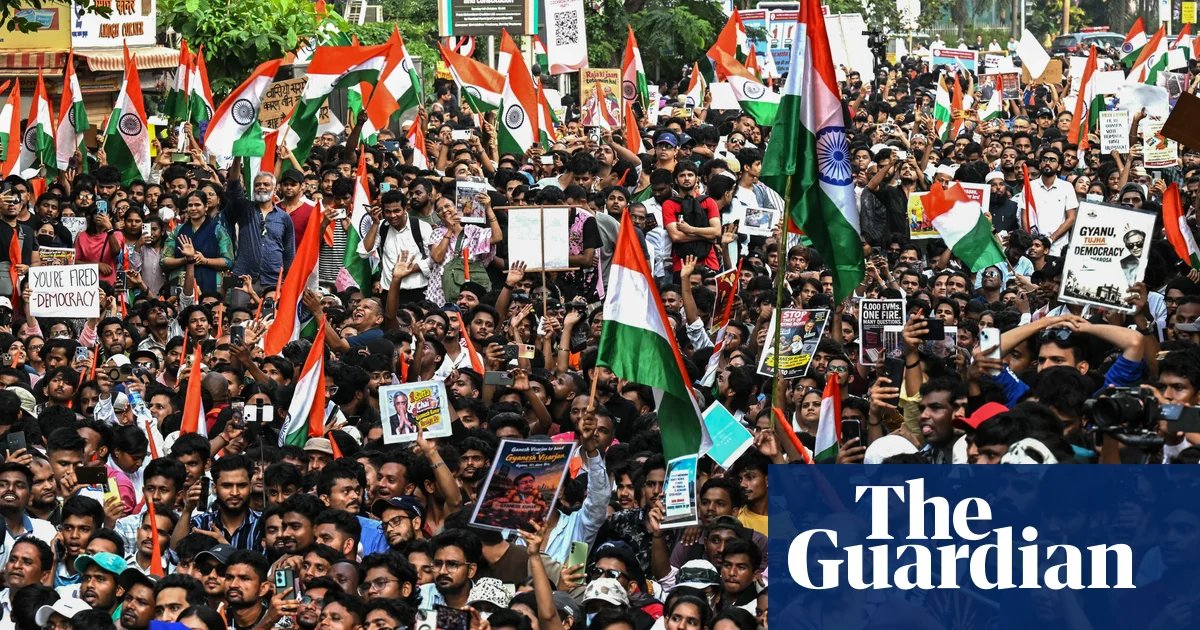
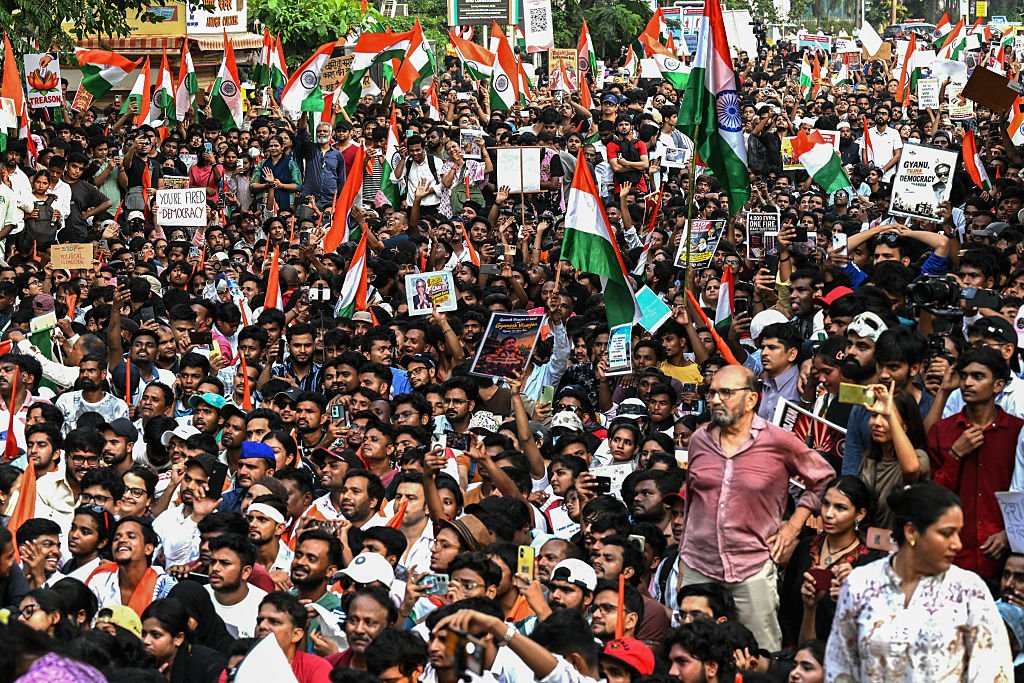
New Delhi/Mumbai: A wave of civil unrest swept through the national capital and Mumbai this week as police moved to suppress large-scale protests demanding the immediate resignation of Chief Election Commissioner (CEC) Gyanesh Kumar. The demonstrations, spearheaded by the Cockroach Janta Party, various student unions, and several opposition factions, were met with a severe administrative response, including the imposition of Section 163, mass detentions, and a blackout of digital and public transport infrastructure.
The atmosphere in both cities remains volatile as authorities utilize prohibitory orders to curb public movement. In response to the state-led crackdown, Aakar Patel, Chair of the Board at Amnesty International India, issued a stern condemnation, asserting that the fundamental right to protest cannot be curtailed by government permission.
A Constitutional Crisis
“The right to protest is not dependent on government approval. It is protected by the Indian Constitution and international human rights law,” Patel stated. He further criticized the routine deployment of Section 163, noting that these emergency powers, intended for extreme circumstances, are being weaponized to stifle peaceful dissent.
Amnesty International has called for the immediate release of the hundreds of individuals taken into custody. Patel emphasized that detention without a lawful, non-discriminatory basis constitutes a direct assault on the right to liberty and freedom of assembly.
Beyond the physical arrests, the government’s decision to suspend internet connectivity in protest-heavy zones has triggered a new layer of outcry. Digital rights advocates argue that the internet is now an essential utility for modern democratic expression, serving as a vital medium for organizers to coordinate, disseminate information, and document police interactions. Authorities have been urged to restore connectivity immediately, citing the grave human rights implications of isolating the public during a political crisis.
The Roots of the Dispute
The protests stem from a growing controversy surrounding the Election Commission’s Special Intensive Revision (SIR) of electoral rolls. Since 2025, over 130 million names have been removed from the voter database, a figure that has sparked nationwide alarm. Opponents of the Commission argue that this massive purge risks disenfranchising millions of eligible citizens and raises serious questions about the transparency of the current leadership.
Adding fuel to the fire, internal discord within the Election Commission has surfaced. Reports indicate that Election Commissioners Sukhbir Singh Sandhu and Vivek Joshi had formally registered objections to the Commission’s methodology on 14 separate occasions over the last ten months. These internal disagreements centered on the systemic handling of voter additions and deletions, further damaging public confidence in the institution’s impartiality.
Government Position
In defense of its actions, the Election Commission has maintained that the electoral roll revision is a routine, technical exercise. Officials claim the process is designed solely to verify voter eligibility and ensure the accuracy of the rolls, categorically denying all allegations of political maneuvering.
As of now, the situation remains fluid. With protest leaders vowing to continue their agitation until their demands are met, the tension between the state’s drive for “public order” and the citizens’ insistence on electoral accountability presents an escalating challenge for democratic governance in India.
Disclaimer: This content is auto-generated for informational purposes only.
Source: Read Original News