








The Structural Shift in Indian Precious Metal Consumption
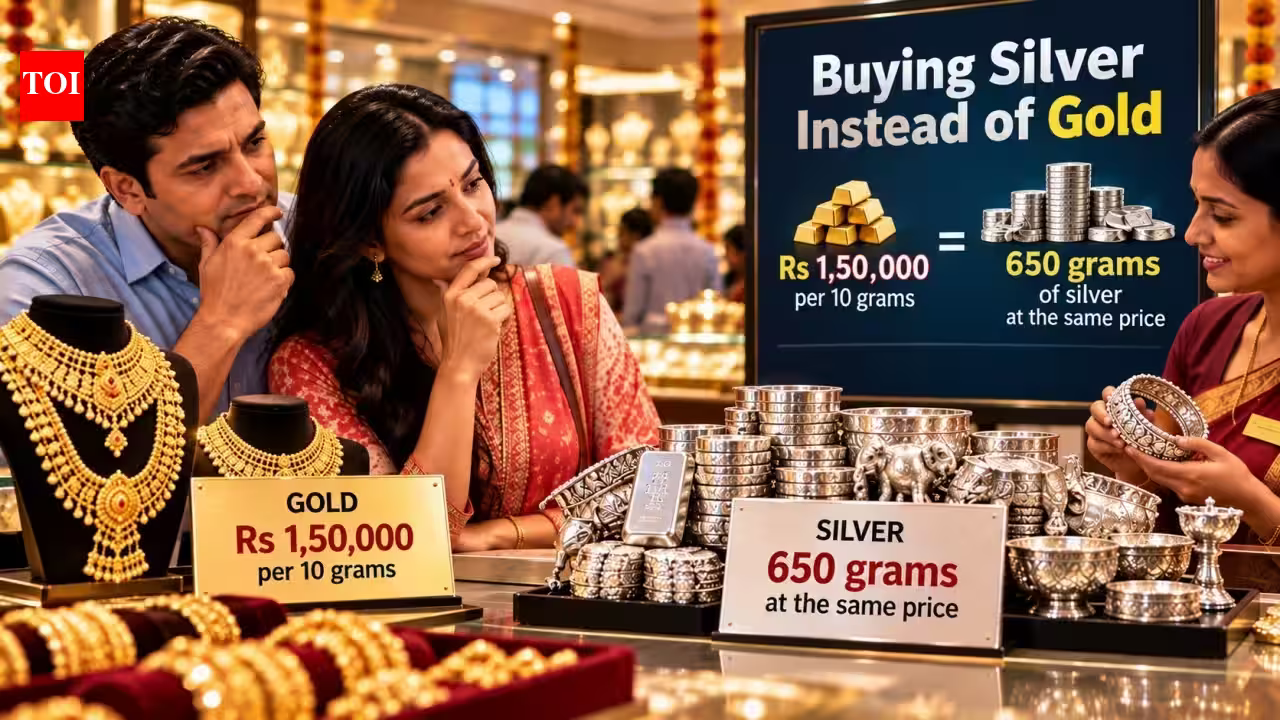
The Indian jewellery market, long defined by a near-obsessive preference for gold, is undergoing a profound structural shift. As gold prices hover around Rs 1.5 lakh per 10 grams, a significant segment of the middle-class consumer base is recalibrating its purchasing power. This economic reality has thrust silver into the spotlight, moving it from its traditional position as a secondary asset to a primary driver of festive-season commerce.
For decades, gold held an unchallenged status in Indian households, serving both as a store of value and a cultural necessity for weddings and festivals. However, the current price trajectory of gold has rendered it increasingly inaccessible for the average retail buyer. In contrast, silver presents a compelling proposition. At current market rates of approximately Rs 2.3 lakh per kilogram, a buyer can acquire roughly 650 grams of silver for the same cost as 10 grams of 24-karat gold. This vast difference in quantum—providing a substantial physical asset versus a small, albeit valuable, gold ornament—is fundamentally altering consumer psychology.
Market data underscores this transition. Jewellers across the country, particularly those operating in established hubs like Surat, are reporting a shift in revenue streams. Many businesses that historically relied on gold and diamond margins are now witnessing silver contribute upwards of 25% to 35% of their total annual revenue—a significant increase from the 10% contribution observed only two years ago. This trend suggests that the appeal of the white metal is no longer confined to low-cost household utility items; it is gaining traction as a serious investment vehicle and a preferred medium for ornamental expression.
Macro-Economic Drivers and Supply-Side Readiness
The pivot toward silver is not merely a consequence of gold’s unaffordability; it is supported by a robust supply chain and proactive government policy. Earlier in 2026, the Indian government moved to relax import restrictions on silver, recognizing the metal’s growing importance in the domestic economy. This decision triggered a sharp response in import volumes, which exceeded $1 billion in August alone—a staggering 127% year-on-year increase.
For the domestic bullion industry, this ensures that the market is well-stocked ahead of the peak festive cycle that begins with Navratri and culminates in Diwali. Surendra Mehta of the India Bullion and Jewellers Association estimates that silver procurement during this period will increase by 17% to 18% compared to the previous year. This supply readiness is critical. As jewellers diversify their inventories to include silver furniture, idols, and intricate jewellery pieces, the ability to source the metal consistently allows them to cater to both the middle-class buyer looking for affordable gifts and the high-net-worth investor seeking long-term price appreciation.
Investment sentiment regarding silver is also evolving. While gold is viewed as a static hedge, silver is increasingly seen as a speculative asset with high growth potential. Some market participants are betting that the price of silver could climb toward the Rs 4 lakh per kilogram mark, driven by its dual utility in industrial applications—such as solar panels and electronics—and as a store of value. This anticipation of future gains is drawing a new demographic of investors who were previously priced out of the precious metals market entirely.
Hallmarking Challenges and the Risk of Fraud
While the shift to silver provides consumers with a more accessible asset class, the regulatory environment surrounding precious metals in India faces new hurdles. The recent increase in gold hallmarking charges from Rs 45 to Rs 75 per article has created friction within the industry. The Gem and Jewellery Domestic Council (GJC) has expressed significant concern that this hike may unintentionally incentivize fraudulent activity among less scrupulous market players.
The primary fear is that the added cost, while passed on to the consumer, may tempt some jewellers to bypass the official Bureau of Indian Standards (BIS) process, opting instead to use forged hallmarking stamps. This risk is particularly acute in tier-2, tier-3, and tier-4 cities, where consumer awareness regarding the Hallmark Unique Identification (HUID) system remains low. Despite the existence of the BIS Care mobile application, which allows individuals to verify the authenticity of their purchases, a vast portion of the public remains unaware of these protective measures.
The disparity in regulatory costs adds another layer to this complexity. While gold hallmarking fees have surged, the charge for silver jewellery remains stable at Rs 35 per article. This relative affordability of regulatory compliance for silver further bolsters its market competitiveness against gold. However, the industry remains in a state of negotiation with the Ministry of Consumer Affairs, seeking a rollback of the gold hallmarking fee to protect both the integrity of the market and the interests of the consumer.
The Evolving Role of Silver in Indian Culture
Culturally, the perception of silver is undergoing a necessary rebranding. For generations, it was viewed as the “poor cousin” of gold, relegated to small idols or basic utensils. Today, the design aesthetics of silver jewellery are being elevated to match the craftsmanship traditionally reserved for gold and diamonds. Jewellers are now marketing silver as a versatile, fashionable, and sensible choice for the modern Indian woman, moving beyond traditional constraints.
This evolution is reflected in the product offerings currently appearing in showrooms. The market is witnessing an influx of high-quality silver products that offer aesthetic value without the capital intensity of gold. For the middle-class consumer, this represents a liberation of sorts—the ability to participate in the traditional festive practice of buying metal without the burden of excessive debt or compromising on other household financial goals.
As we look toward the remainder of the festive season, the data is clear. The convergence of high gold prices, improved supply chains, and the evolving design sensibility of the jewellery sector has created a perfect environment for silver. Whether this transition proves to be a temporary response to market volatility or a permanent shift in Indian consumption habits will depend on the sustained price performance of the metal. However, for now, silver is effectively bridging the gap between desire and affordability in the Indian retail market.
Strategic Outlook for Investors and Consumers
For those looking to engage with the precious metals market, the current climate requires a balanced approach. Consumers should remain vigilant, utilizing the BIS Care app to verify hallmarked items, regardless of whether they are purchasing gold or silver. The potential for fraud in a market undergoing rapid transition cannot be ignored, and buyer due diligence remains the best line of defense.
For investors, the case for silver appears increasingly technical. Beyond the retail jewellery segment, the metal is inextricably linked to the broader industrial transition toward green energy. As India continues to scale its domestic manufacturing and infrastructure sectors, the industrial demand for silver is likely to provide a floor for prices, separate from the seasonal fluctuations of the jewellery market.
In conclusion, the Indian jewellery market is currently navigating a period of significant transformation. The high price of gold has served as the catalyst, but the agility of the silver industry—through product diversification, increased import capacity, and a shift in consumer perception—is sustaining the momentum. As the country celebrates the upcoming festive season, silver is likely to claim a larger share of the household budget, cementing its status as an indispensable component of the Indian precious metals landscape.
Disclaimer: This content is auto-generated for informational purposes only.
Source: Read Original News