








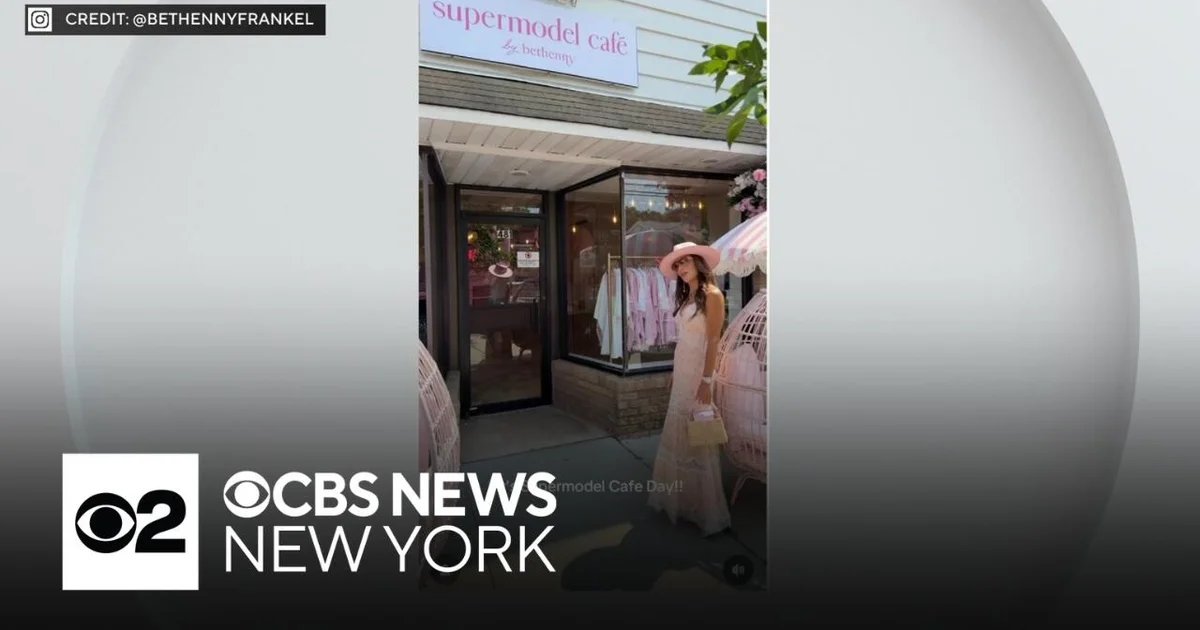
Bethenny Frankel, the entrepreneur and television personality renowned for her business acumen, recently encountered a significant setback with her new venture in Bridgehampton, Long Island. Her ambitious plans for a "Skinnygirl" branded retail space, envisioned as a pop-up store, were abruptly halted by local authorities. This unexpected turn of events occurred when officials from the Southampton Town Code Enforcement issued a stop-work order at the premises located at 2183 Montauk Highway.
The popular reality television star, widely recognized from "The Real Housewives of New York City," had been actively engaged in preparing the storefront, presumably to showcase and sell her extensive line of Skinnygirl products, which encompass a diverse range from beverages to shapewear. The precise nature of the violation leading to the stop-work order has not been fully detailed publicly, but such orders are typically issued when construction, renovation, or business operations proceed without the necessary permits and approvals from municipal authorities. This often includes issues with zoning compliance, building codes, or environmental regulations.
This incident highlights the often-complex regulatory landscape faced by businesses, even those spearheaded by high-profile individuals. Local municipalities have stringent rules to ensure public safety, maintain community aesthetics, and manage commercial development. For a pop-up store, while seemingly temporary, it still requires adherence to these local ordinances, especially concerning changes in use or structural alterations to a property.
The ramifications of such an order can be significant, leading to delays, increased costs, and potential fines. Businesses are usually required to cease all work immediately, address the identified violations, and secure the appropriate permits before resuming operations. This process can be time-consuming and may require extensive engagement with town planning departments and building inspectors. For a seasonal business like a pop-up in a popular summer destination like Bridgehampton, any delay can severely impact its financial viability and market opportunity.
Frankel has built a formidable business empire on the back of her Skinnygirl brand, demonstrating a keen understanding of consumer trends and effective marketing. However, even seasoned entrepreneurs can face unforeseen bureaucratic hurdles. This situation serves as a reminder that comprehensive due diligence, including obtaining all necessary permits and understanding local regulations, is paramount for any new commercial enterprise, regardless of the brand’s recognition or the owner’s celebrity status. The future of the Bridgehampton Skinnygirl pop-up remains uncertain as Frankel and her team navigate these regulatory challenges. Updates on this development will undoubtedly be closely followed by those interested in both her business ventures and the intricacies of local news and business compliance.